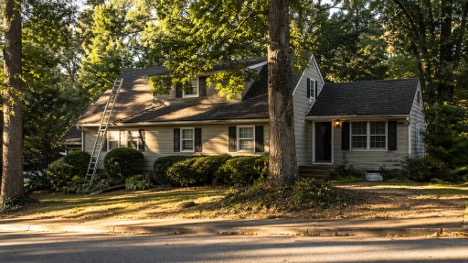
The first time I owned an older home in Buford, I almost made a $20,000 mistake within the first year.
Nothing looked wrong at a glance. The kitchen had been updated, the paint was fresh, and everything felt move-in ready. But a few months in, after a stretch of heavy summer rain, I found moisture building up in the crawl space. Not long after that, the HVAC system started struggling to keep up with the heat.
That was the moment it clicked. Older homes don’t fail all at once. They fail where maintenance was delayed.
If you’re buying or already living in an older home in Buford, Georgia, understanding what to prioritize can save you a lot of money—and stress.
Key Takeaways
• Focus on structural and mechanical systems before cosmetic upgrades
• Many older Buford homes hide deferred maintenance behind updates
• Prioritizing correctly can save thousands over time
• Georgia’s humidity accelerates wear on roofs, crawl spaces, and HVAC systems
• Having trusted service contacts early prevents bigger issues later
• Appliances often fail sooner than expected and should be planned for
Why Older Homes in Buford Are Still Worth It
Buford sits in Gwinnett County, close enough to Atlanta for convenience but far enough to keep a slower pace. The older neighborhoods—especially those closer to downtown or tucked near Lake Lanier—offer something newer developments usually cannot.
You’ll notice it right away. Larger lots. Mature trees. Homes that feel established rather than newly dropped into place.
Many of these houses were built in the 1970s and 1980s, before aggressive cost-cutting became standard in residential construction. The framing tends to be solid. The layouts are practical. And the neighborhoods have had decades to settle in.
But there’s a trade-off.
When you buy an older home, you’re not just buying the structure. You’re inheriting every maintenance decision the previous owners made—or avoided.
The Most Common Mistake I See
People fix what looks outdated instead of what actually matters.
It’s understandable. A new kitchen or updated fixtures make a home feel complete. But those upgrades don’t mean much if the roof is near the end of its life or moisture is quietly building under the house.
Buford’s climate doesn’t give you much margin for error. Long, humid summers keep crawl spaces damp. HVAC systems run hard for most of the year. Roofing materials break down faster than many people expect.
Ignore those systems, and cosmetic work becomes temporary.
What to Fix First in an Older Buford Home
Start With Function, Not Appearance
When I walk into an older home now, I don’t pay much attention to finishes. I’m looking at how the house performs.
Roof
If there’s one place to start, it’s here.
In Buford, roofs typically last around 15 to 20 years, sometimes less, with constant sun exposure and humidity. Granule loss, soft spots, or poorly installed flashing are all early warning signs.
Replacing a roof isn’t cheap. Depending on the home, it can run anywhere from $8,000 to $18,000 or more. It’s not something you want to discover after closing.
HVAC System
Georgia heat puts HVAC systems under constant strain.
Most units last about 10 to 15 years in this environment. Once they pass the 12-year mark, I start assuming replacement is coming unless there’s clear documentation of consistent maintenance.
Service history matters more than appearance here. A clean-looking unit doesn’t tell you how hard it’s been working.
Crawl Space
This is where many expensive problems begin.
Moisture is persistent in Buford, especially in homes built before modern vapor barriers and sealing practices became common. Left unchecked, it leads to mold, wood rot, and eventually structural damage.
Encapsulation can feel like a high upfront cost, but in many cases, it’s one of the best long-term investments you can make in an older home.
Electrical and Plumbing
Homes built before 1990 often come with systems that weren’t designed for today’s demands.
That might include aluminum wiring, outdated panels, or galvanized pipes that are already restricting water flow.
These aren’t cosmetic concerns. They affect safety, reliability, and insurance in some cases. I always evaluate these early, even if there are no obvious issues yet.
The Lesson I Learned About Appliances
Appliances are easy to overlook because they’re still working—until they’re not.
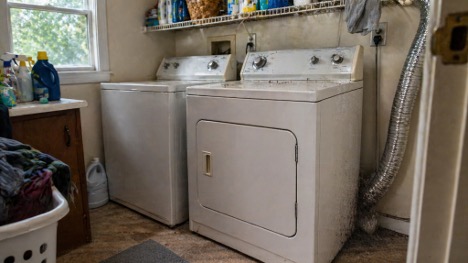
In my case, the dryer started taking longer to finish a cycle. It didn’t seem urgent, but I had it checked anyway. If you’re dealing with something similar, getting help from a local service that handles appliance repair in Buford early can prevent bigger problems.
Since then, I’ve treated appliances differently.
When I move into a home, I document the age of everything—washer, dryer, refrigerator, water heater. From there, I plan ahead rather than wait for failure.
A simple rule I follow: if a repair starts approaching half the cost of replacement and the unit is already older, I start leaning toward replacing it.
When Cosmetic Updates Actually Make Sense
Once the major systems are stable, cosmetic improvements become much more worthwhile.
This is usually the point where the house stops feeling like a project and starts feeling like your home. You’re no longer reacting to problems. You’re making intentional choices.
In older homes around Buford, the best results often come from working with what’s already there rather than replacing everything outright. Original hardwood floors, solid wood trim, and even older windows tend to have a level of quality that’s expensive to replicate today.
I’ve seen homeowners get greater long-term value by restoring rather than starting over.
That said, when you do move into upgrades, especially in kitchens and bathrooms, the decisions go beyond just design. Where you source materials can affect cost, durability, and overall outcome. If you’re weighing your options, this guide on choosing bathroom products: showroom inspiration or online convenience breaks down what to consider before buying.
Simple updates like repainting, refinishing floors, or improving insulation often deliver more value than jumping straight into a full remodel. Get the timing right, and those upgrades actually last.
Why Location Still Matters Within Buford
Buford has grown quickly, especially toward Braselton and Hamilton Mill. New construction is everywhere.
But the older neighborhoods, particularly those closer to downtown Buford or near Lake Lanier, still hold a different kind of appeal.
They feel established. The lots are more generous. The surroundings aren’t constantly changing.
Buyers are starting to notice that again.
Well-maintained older homes in these areas are becoming more competitive, not less. And that makes proper maintenance even more important if you want to protect long-term value.
What Experience Has Taught Me
I’ve seen two very different outcomes.
One homeowner spent around $25,000 updating a kitchen while ignoring moisture issues under the house. Within a couple of years, they were dealing with repairs that could have been prevented entirely.
Another buyer took a less updated home, focused on the roof, crawl space, and HVAC first, and slowly improved everything else over time. The house appreciated, and the maintenance stayed manageable.
Same type of home. Completely different results.
The difference comes down to order.
Handle the systems first. Everything else can wait.
Frequently Asked Questions
Are older homes in Buford a good investment?
Yes, especially in established neighborhoods near downtown or Lake Lanier. The condition of the home matters more than its age.
How much should I budget for maintenance?
A common guideline is 1 to 2 percent of the home’s value annually. For older homes, it’s safer to expect closer to 2-3% in the first few years.
What problems are most common?
Crawl space moisture, aging HVAC systems, roof wear, and outdated electrical or plumbing are the most frequent issues.
Is it worth restoring original features?
In most cases, yes. Original materials often add more long-term value than modern replacements.
When should I repair versus replace an appliance?
If the repair cost approaches half the price of a new unit and the appliance is already older, replacement usually makes more sense.
Closing Thoughts
Older homes in Buford aren’t risky—they just require a different approach.
The biggest shift for me was learning to prioritize what keeps the house running, not just what makes it look better.
Once the roof, HVAC, crawl space, and core systems are taken care of, everything else becomes easier—and more rewarding.
Get that order right, and these homes offer something newer builds often can’t: character, stability, and long-term value that grows with the way you take care of it.
partnered post • partner images