• What Older Homes in Buford Taught Me About Prioritizing Maintenance

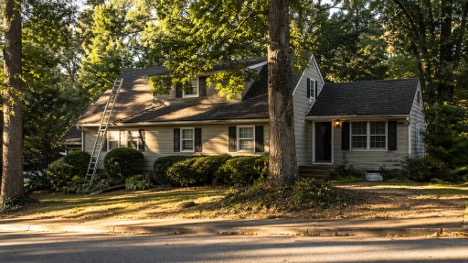
    Older home in Buford GA with mature trees and visible signs of routine maintenance in a quiet neighborhood

    The first time I owned an older home in Buford, I almost made a $20,000 mistake within the first year.

    Nothing looked wrong at a glance. The kitchen had been updated, the paint was fresh, and everything felt move-in ready. But a few months in, after a stretch of heavy summer rain, I found moisture building up in the crawl space. Not long after that, the HVAC system started struggling to keep up with the heat.

    That was the moment it clicked. Older homes don’t fail all at once. They fail where maintenance was delayed.

    If you’re buying or already living in an older home in Buford, Georgia, understanding what to prioritize can save you a lot of money—and stress.

    Key Takeaways
    • Focus on structural and mechanical systems before cosmetic upgrades
    • Many older Buford homes hide deferred maintenance behind updates
    • Prioritizing correctly can save thousands over time
    • Georgia’s humidity accelerates wear on roofs, crawl spaces, and HVAC systems
    • Having trusted service contacts early prevents bigger issues later
    • Appliances often fail sooner than expected and should be planned for

    Why Older Homes in Buford Are Still Worth It

    Buford sits in Gwinnett County, close enough to Atlanta for convenience but far enough to keep a slower pace. The older neighborhoods—especially those closer to downtown or tucked near Lake Lanier—offer something newer developments usually cannot.

    You’ll notice it right away. Larger lots. Mature trees. Homes that feel established rather than newly dropped into place.
    Many of these houses were built in the 1970s and 1980s, before aggressive cost-cutting became standard in residential construction. The framing tends to be solid. The layouts are practical. And the neighborhoods have had decades to settle in.

    But there’s a trade-off.

    When you buy an older home, you’re not just buying the structure. You’re inheriting every maintenance decision the previous owners made—or avoided.

    The Most Common Mistake I See

    People fix what looks outdated instead of what actually matters.

    It’s understandable. A new kitchen or updated fixtures make a home feel complete. But those upgrades don’t mean much if the roof is near the end of its life or moisture is quietly building under the house.

    Buford’s climate doesn’t give you much margin for error. Long, humid summers keep crawl spaces damp. HVAC systems run hard for most of the year. Roofing materials break down faster than many people expect.

    Ignore those systems, and cosmetic work becomes temporary.

    What to Fix First in an Older Buford Home

    Start With Function, Not Appearance

    When I walk into an older home now, I don’t pay much attention to finishes. I’m looking at how the house performs.

    Roof

    If there’s one place to start, it’s here.

    In Buford, roofs typically last around 15 to 20 years, sometimes less, with constant sun exposure and humidity. Granule loss, soft spots, or poorly installed flashing are all early warning signs.

    Replacing a roof isn’t cheap. Depending on the home, it can run anywhere from $8,000 to $18,000 or more. It’s not something you want to discover after closing.

    HVAC System

    Georgia heat puts HVAC systems under constant strain.

    Most units last about 10 to 15 years in this environment. Once they pass the 12-year mark, I start assuming replacement is coming unless there’s clear documentation of consistent maintenance.

    Service history matters more than appearance here. A clean-looking unit doesn’t tell you how hard it’s been working.

    Crawl Space

    This is where many expensive problems begin.

    Moisture is persistent in Buford, especially in homes built before modern vapor barriers and sealing practices became common. Left unchecked, it leads to mold, wood rot, and eventually structural damage.

    Encapsulation can feel like a high upfront cost, but in many cases, it’s one of the best long-term investments you can make in an older home.

    Electrical and Plumbing

    Homes built before 1990 often come with systems that weren’t designed for today’s demands.

    That might include aluminum wiring, outdated panels, or galvanized pipes that are already restricting water flow.

    These aren’t cosmetic concerns. They affect safety, reliability, and insurance in some cases. I always evaluate these early, even if there are no obvious issues yet.
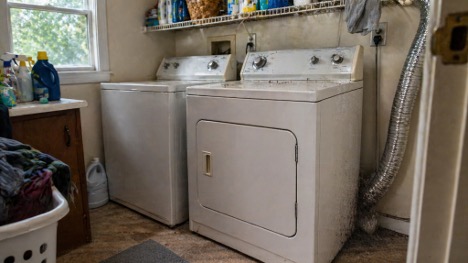
    Laundry room in an older home with a dryer and visible lint buildup near the vent, showing a common maintenance issue

    The Lesson I Learned About Appliances

    Appliances are easy to overlook because they’re still working—until they’re not.

    In my case, the dryer started taking longer to finish a cycle. It didn’t seem urgent, but I had it checked anyway. If you’re dealing with something similar, getting help from a local service that handles appliance repair in Buford early can prevent bigger problems.

    Since then, I’ve treated appliances differently.

    When I move into a home, I document the age of everything—washer, dryer, refrigerator, water heater. From there, I plan ahead rather than wait for failure.
    A simple rule I follow: if a repair starts approaching half the cost of replacement and the unit is already older, I start leaning toward replacing it.

    When Cosmetic Updates Actually Make Sense

    Once the major systems are stable, cosmetic improvements become much more worthwhile.

    This is usually the point where the house stops feeling like a project and starts feeling like your home. You’re no longer reacting to problems. You’re making intentional choices.
    In older homes around Buford, the best results often come from working with what’s already there rather than replacing everything outright. Original hardwood floors, solid wood trim, and even older windows tend to have a level of quality that’s expensive to replicate today.

    I’ve seen homeowners get greater long-term value by restoring rather than starting over.

    That said, when you do move into upgrades, especially in kitchens and bathrooms, the decisions go beyond just design. Where you source materials can affect cost, durability, and overall outcome. If you’re weighing your options, this guide on choosing bathroom products: showroom inspiration or online convenience breaks down what to consider before buying.

    Simple updates like repainting, refinishing floors, or improving insulation often deliver more value than jumping straight into a full remodel. Get the timing right, and those upgrades actually last.

    Why Location Still Matters Within Buford

    Buford has grown quickly, especially toward Braselton and Hamilton Mill. New construction is everywhere.

    But the older neighborhoods, particularly those closer to downtown Buford or near Lake Lanier, still hold a different kind of appeal.

    They feel established. The lots are more generous. The surroundings aren’t constantly changing.

    Buyers are starting to notice that again.

    Well-maintained older homes in these areas are becoming more competitive, not less. And that makes proper maintenance even more important if you want to protect long-term value.

    What Experience Has Taught Me

    I’ve seen two very different outcomes.

    One homeowner spent around $25,000 updating a kitchen while ignoring moisture issues under the house. Within a couple of years, they were dealing with repairs that could have been prevented entirely.

    Another buyer took a less updated home, focused on the roof, crawl space, and HVAC first, and slowly improved everything else over time. The house appreciated, and the maintenance stayed manageable.

    Same type of home. Completely different results.

    The difference comes down to order.

    Handle the systems first. Everything else can wait.

    Frequently Asked Questions

    Are older homes in Buford a good investment?

    Yes, especially in established neighborhoods near downtown or Lake Lanier. The condition of the home matters more than its age.

    How much should I budget for maintenance?

    A common guideline is 1 to 2 percent of the home’s value annually. For older homes, it’s safer to expect closer to 2-3% in the first few years.

    What problems are most common?

    Crawl space moisture, aging HVAC systems, roof wear, and outdated electrical or plumbing are the most frequent issues.

    Is it worth restoring original features?

    In most cases, yes. Original materials often add more long-term value than modern replacements.

    When should I repair versus replace an appliance?

    If the repair cost approaches half the price of a new unit and the appliance is already older, replacement usually makes more sense.

    Closing Thoughts

    Older homes in Buford aren’t risky—they just require a different approach.

    The biggest shift for me was learning to prioritize what keeps the house running, not just what makes it look better.

    Once the roof, HVAC, crawl space, and core systems are taken care of, everything else becomes easier—and more rewarding.

    Get that order right, and these homes offer something newer builds often can’t: character, stability, and long-term value that grows with the way you take care of it.

    partnered post • partner images

  • How Reclaimed Wood Is Recycled

    Using reclaimed wood is a fantastic way to add some unique style to your home and it’s environmentally friendly. Wood that is reclaimed from old homes, barns, and other sources goes through an extensive recycling process that gives it new purpose without diminishing the beautiful aged look and charm that it already has.

    In order for reclaimed wood to be ready for use in modern homes, first, the wood is taken from demolished homes, barns and outbuildings, and old factories along with other buildings. All old nails, staples, ties, and other items are removed from the wood by hand to make sure the wood is free of anything but the actual wood.

    Then it’s cleaned with simple soap and water to wash off any dirt, debris, or oil that has built up on the wood over time to reveal the wood’s true color and natural beauty. After that the wood is milled to break it down to the right thickness for whatever project it’s going to be used for. It’s also then planed and ripped to make it functional wood.

    After that it goes through a kiln drying process to kill any mold that might be on the wood from years of exposure to the elements or to water. The kiln drying process also gets rid of any insects or pests that have taken up residence in the wood.

    The wood is then molded into a new shape that’s suitable for whatever purpose it’s going to be used for and it’s cross-cut and processed so that it can be turned into flooring, cabinet doors, stair treads, wood paneling walls, and other accents that can be used in any home. The color of the wood and the natural grain lines remain and make each piece of reclaimed wood a unique treasure that brings style and warmth to any home.

    For more information on reclaimed wood, check out the infographic below:

    Elmwood Infographic

  • Greentea Design: spectacular custom kitchens

    Toronto-based Greentea Design has a special place in my heart: not only do they design, build and sell some of the most beautiful kitchen cabinetry available anywhere – in beautiful Japanese-influenced styles that are a perfect match for any Mission or Craftsman home – but they also carry a range of both antique and contemporary reclaimed-wood furniture, some in historic Craftsman and Japanese designs and others in more contemporary shapes. And the prices, even including the (very professional and speedy) shipping from Canada are surprisingly low, making them competitive with any of the larger semi-custom cabinet makers out there, even while using better materials like a clear coat for kitchen cabinets and sturdier building techniques..

    While many of their signature pieces – step tansu and other room-defining wood furniture items – are gorgeous, it's that line of kitchen cabinets that I keep coming back to. Sold as custom kitchen sets or as individual stock pieces, the grain of the wood, beautiful (and exclusive to Greentea) hand-forged hardware and trim detail is both Asian and Craftsman at the same time, with enough character to be beautiful and enough attention to design to be eminently useful. Their Loft Kitchen custom design, above, is a combination of the various Mizuya cabinets, including an island and a full range of wall cabinets and accessories; other past custom kitchens have included the simplified Asian Bistro, minimalist Zen Modern, and Chalet Chic, which was tailored for a more open, airy space. Of course, each piece is available by itself as well – all the islands, hutches, wall and base cabinets and pantries you could possibly need are available piecemeal should you wish to design your own kitchen, amd all can be installed in a fixed position or left free-standing (for a movable island, for example). The custom design services offered are impressive – Greentea's staff of furniture and room designers are more than happy to assist with your own custom project or do the work for you; their staff worked extensively with Kim Johnson, owner of a 100-year-old home in Ottawa, on her recent remodel, and the results were very impressive; Kim blogged the entire process on her website, Design to Inspire.

    I'm very happy to have a piece of theirs up in my own modern Craftsman kitchen, and I hope to have a few photographs of it soon; a smaller version of the Dana cabinet (pictured above; mine is a similar to what sits above the glass cabinets on the right and left of this unit) completes the rear wall of that recently-remodeled room in my 1925 Mission Revival bungalow in Sacramento, California, and it's a perfect complement for the bamboo floors, stone countertops and glass tile backsplash that round out the project. Some day, I'd like to own one of their step tansus, which I have always maintained are the perfect bridge between an austere Asian design style and the earthy workmanship of the Craftsman aesthetic. And they're running a special "Stepping Into Summer" promotion right now, with 20% discounts on these unique pieces, including the Elm Burl step tansu, shown below.

    Owner Dale Storer has worked hard to make sure that Greentea's products complement a wide range of architectural styles, though, and much of their more contemporary designs would look at home whether in a traditional Japanese home, a Craftsman bungalow, or a modern high-tech apartment. The Lattice TV Stand, pictured below, hides components behind a latticed sliding door that still allows remote controls to function, and is just as good a match for an urban loft as it is for a 90-year-old brown-shingle Craftsman bungalow. Every one of these pieces is made from reclaimed wood, and all come in a variety of finishes with different types of hardware available as well. Mike Ramsey writes that the reclaimed wood usually comes from "aging rural structures that are being taken down to make way for Asia's rapidly expanding urban centers. The Maru tables are the best example since they're turned into tables directly from being reclaimed. The original supports are cut into legs who have correspondingly sized holes cut in the base of the slabs of floor."

    Their antiques stock, some of which is on hand at their Toronto showroom, is also worth checking out; I'm partial to the large selection of all sorts of Japanese tansu, but they also carry plenty of Chinese and Korean pieces as well.

    I'm not so used to giving such praise to a business – as regular readers know, I'm pretty stingy with compliments and generous with criticism, which is certainly a fault. However, after dealing with this company myself and going gaga over their website, I just wanted to make sure you were all as familiar with them as I've become. After seeing so many (primarily) Japanese antiques blend so well with the large shingled Craftsman homes of California, but noticing the absence of same elsewhere in the country, I thought perhaps most people didn't realize that the two styles matched so well.

    If you're in or near Toronto, definitely check out the Greentea showroom; otherwise, spend a few minutes browsing their website, or call them at 1.866.426.7286 to talk with someone about your kitchen design or furniture needs.

    I've made a small Flickr album for photos of their work; I'll soon add a good shot of the Dana cabinet in my own kitchen; those of you who already have Greentea cabinets, please do send me your photos, and I'll add them as well!

  • Sears kit homes in Minneapolis

    Kim Palmer had a good article on Sears kit homes in the Star Tribute earlier this month. Read the entire article on the Star Tribute site.

    When Paul Kirkman first laid eyes on the house he bought last year, he
    knew it was a rare find: a 1917 Arts & Crafts bungalow with all its
    original woodwork and charm intact.

    The
    house, in Minneapolis’ Bryn Mawr neighborhood, had all the features
    that bungalow fans covet: dark built-ins, wainscoting and moulding,
    coffered box-beam ceilings and even an Inglenook fireplace.

    "I
    said, ‘This is perfect — the one,’" recalled Kirkman, who had been
    searching for just such a home for seven months. "I like bungalows, and
    in my mind, this hits the pinnacle of that kind of architecture. The
    living room is about as original as you can get."

    But Kirkman’s
    bungalow is something even rarer: a Sears kit house, one of about
    75,000 sold by mail order between 1915 and 1940.

    There were 370
    models, representing many styles, but Kirkman’s house, the "Ashmore,"
    is one of the least common, with only a handful of known surviving
    examples, according to Rosemary Thornton, author of "The Houses That
    Sears Built."

    Advertised as "the Aristocrat of Bungalows," the
    Ashmore was among the largest (2,800 square feet) and most elaborate of
    the Sears kit homes. "It’s a beauty, with a lot of nice features,"
    Thornton said.

    And it definitely defies any stereotype that
    mail-order homes are low-rent, said Tim Counts, president of the Twin
    Cities Bungalow Club. "Some people think of kit homes as ricky-ticky,
    slap-it-together, but often they are very high-end homes, and that one
    is a perfect example."

  • Architectural Salvage V: Turning Trash Into Treasure

    Warehouse222

    From Kaleena Cote at Yankee magazine comes this article on everyone's favorite weekend pastime, bargain-hunting at architectural salvage yards:

    Home salvage yards are like garage sales. Once you find that hidden treasure, the whole trip becomes worthwhile. For more than two decades, homeowners have searched for treasure at Vermont Salvage, an architectural Warehouse For Lease that has stores in White River Junction, Vermont, and Manchester, New Hampshire. Doors, windows, appliances – items that have outlived the houses and buildings they used to grace – fill each warehouse, much of it tagged with bargain prices.

    Bargains are what I’m after on a damp and dreary February afternoon as I drive up to the half-brick, half-concrete Vermont
    Salvage store in Manchester. Old toilets, tubs, and trash lie out in the yard, as well as a few abandoned vehicles and an old rusting trailer, while a few red spray-painted squiggles splatter the sides of the building. The place looks as if it needs to be salvaged itself.

    But inside, it’s easy to see why people enjoy searching through the rows of different colored doors, walking past the pastel pink and yellow toilets, and toying with the little trinkets ranging from outlet faces to small brass hooks for hanging clothes. The place has character, and the employees there are eager to please. They're not the in-your-face “buy this now” types of salesmen; they let the customers browse freely. At the same time, they're willing to help and offer suggestions. Just ask.

    Read the full article and see pictures at Yankee magazine’s site. They’ve also compiled a good list of New England salvage firms and shops, which follows the article.