• What Older Homes in Buford Taught Me About Prioritizing Maintenance

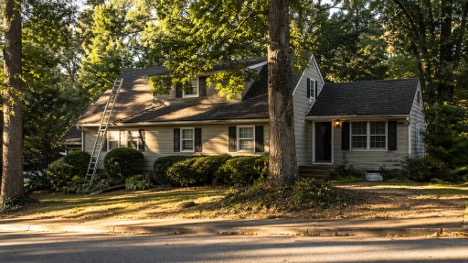
    Older home in Buford GA with mature trees and visible signs of routine maintenance in a quiet neighborhood

    The first time I owned an older home in Buford, I almost made a $20,000 mistake within the first year.

    Nothing looked wrong at a glance. The kitchen had been updated, the paint was fresh, and everything felt move-in ready. But a few months in, after a stretch of heavy summer rain, I found moisture building up in the crawl space. Not long after that, the HVAC system started struggling to keep up with the heat.

    That was the moment it clicked. Older homes don’t fail all at once. They fail where maintenance was delayed.

    If you’re buying or already living in an older home in Buford, Georgia, understanding what to prioritize can save you a lot of money—and stress.

    Key Takeaways
    • Focus on structural and mechanical systems before cosmetic upgrades
    • Many older Buford homes hide deferred maintenance behind updates
    • Prioritizing correctly can save thousands over time
    • Georgia’s humidity accelerates wear on roofs, crawl spaces, and HVAC systems
    • Having trusted service contacts early prevents bigger issues later
    • Appliances often fail sooner than expected and should be planned for

    Why Older Homes in Buford Are Still Worth It

    Buford sits in Gwinnett County, close enough to Atlanta for convenience but far enough to keep a slower pace. The older neighborhoods—especially those closer to downtown or tucked near Lake Lanier—offer something newer developments usually cannot.

    You’ll notice it right away. Larger lots. Mature trees. Homes that feel established rather than newly dropped into place.
    Many of these houses were built in the 1970s and 1980s, before aggressive cost-cutting became standard in residential construction. The framing tends to be solid. The layouts are practical. And the neighborhoods have had decades to settle in.

    But there’s a trade-off.

    When you buy an older home, you’re not just buying the structure. You’re inheriting every maintenance decision the previous owners made—or avoided.

    The Most Common Mistake I See

    People fix what looks outdated instead of what actually matters.

    It’s understandable. A new kitchen or updated fixtures make a home feel complete. But those upgrades don’t mean much if the roof is near the end of its life or moisture is quietly building under the house.

    Buford’s climate doesn’t give you much margin for error. Long, humid summers keep crawl spaces damp. HVAC systems run hard for most of the year. Roofing materials break down faster than many people expect.

    Ignore those systems, and cosmetic work becomes temporary.

    What to Fix First in an Older Buford Home

    Start With Function, Not Appearance

    When I walk into an older home now, I don’t pay much attention to finishes. I’m looking at how the house performs.

    Roof

    If there’s one place to start, it’s here.

    In Buford, roofs typically last around 15 to 20 years, sometimes less, with constant sun exposure and humidity. Granule loss, soft spots, or poorly installed flashing are all early warning signs.

    Replacing a roof isn’t cheap. Depending on the home, it can run anywhere from $8,000 to $18,000 or more. It’s not something you want to discover after closing.

    HVAC System

    Georgia heat puts HVAC systems under constant strain.

    Most units last about 10 to 15 years in this environment. Once they pass the 12-year mark, I start assuming replacement is coming unless there’s clear documentation of consistent maintenance.

    Service history matters more than appearance here. A clean-looking unit doesn’t tell you how hard it’s been working.

    Crawl Space

    This is where many expensive problems begin.

    Moisture is persistent in Buford, especially in homes built before modern vapor barriers and sealing practices became common. Left unchecked, it leads to mold, wood rot, and eventually structural damage.

    Encapsulation can feel like a high upfront cost, but in many cases, it’s one of the best long-term investments you can make in an older home.

    Electrical and Plumbing

    Homes built before 1990 often come with systems that weren’t designed for today’s demands.

    That might include aluminum wiring, outdated panels, or galvanized pipes that are already restricting water flow.

    These aren’t cosmetic concerns. They affect safety, reliability, and insurance in some cases. I always evaluate these early, even if there are no obvious issues yet.
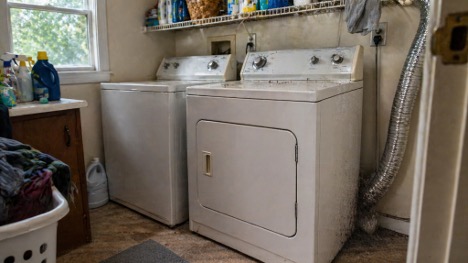
    Laundry room in an older home with a dryer and visible lint buildup near the vent, showing a common maintenance issue

    The Lesson I Learned About Appliances

    Appliances are easy to overlook because they’re still working—until they’re not.

    In my case, the dryer started taking longer to finish a cycle. It didn’t seem urgent, but I had it checked anyway. If you’re dealing with something similar, getting help from a local service that handles appliance repair in Buford early can prevent bigger problems.

    Since then, I’ve treated appliances differently.

    When I move into a home, I document the age of everything—washer, dryer, refrigerator, water heater. From there, I plan ahead rather than wait for failure.
    A simple rule I follow: if a repair starts approaching half the cost of replacement and the unit is already older, I start leaning toward replacing it.

    When Cosmetic Updates Actually Make Sense

    Once the major systems are stable, cosmetic improvements become much more worthwhile.

    This is usually the point where the house stops feeling like a project and starts feeling like your home. You’re no longer reacting to problems. You’re making intentional choices.
    In older homes around Buford, the best results often come from working with what’s already there rather than replacing everything outright. Original hardwood floors, solid wood trim, and even older windows tend to have a level of quality that’s expensive to replicate today.

    I’ve seen homeowners get greater long-term value by restoring rather than starting over.

    That said, when you do move into upgrades, especially in kitchens and bathrooms, the decisions go beyond just design. Where you source materials can affect cost, durability, and overall outcome. If you’re weighing your options, this guide on choosing bathroom products: showroom inspiration or online convenience breaks down what to consider before buying.

    Simple updates like repainting, refinishing floors, or improving insulation often deliver more value than jumping straight into a full remodel. Get the timing right, and those upgrades actually last.

    Why Location Still Matters Within Buford

    Buford has grown quickly, especially toward Braselton and Hamilton Mill. New construction is everywhere.

    But the older neighborhoods, particularly those closer to downtown Buford or near Lake Lanier, still hold a different kind of appeal.

    They feel established. The lots are more generous. The surroundings aren’t constantly changing.

    Buyers are starting to notice that again.

    Well-maintained older homes in these areas are becoming more competitive, not less. And that makes proper maintenance even more important if you want to protect long-term value.

    What Experience Has Taught Me

    I’ve seen two very different outcomes.

    One homeowner spent around $25,000 updating a kitchen while ignoring moisture issues under the house. Within a couple of years, they were dealing with repairs that could have been prevented entirely.

    Another buyer took a less updated home, focused on the roof, crawl space, and HVAC first, and slowly improved everything else over time. The house appreciated, and the maintenance stayed manageable.

    Same type of home. Completely different results.

    The difference comes down to order.

    Handle the systems first. Everything else can wait.

    Frequently Asked Questions

    Are older homes in Buford a good investment?

    Yes, especially in established neighborhoods near downtown or Lake Lanier. The condition of the home matters more than its age.

    How much should I budget for maintenance?

    A common guideline is 1 to 2 percent of the home’s value annually. For older homes, it’s safer to expect closer to 2-3% in the first few years.

    What problems are most common?

    Crawl space moisture, aging HVAC systems, roof wear, and outdated electrical or plumbing are the most frequent issues.

    Is it worth restoring original features?

    In most cases, yes. Original materials often add more long-term value than modern replacements.

    When should I repair versus replace an appliance?

    If the repair cost approaches half the price of a new unit and the appliance is already older, replacement usually makes more sense.

    Closing Thoughts

    Older homes in Buford aren’t risky—they just require a different approach.

    The biggest shift for me was learning to prioritize what keeps the house running, not just what makes it look better.

    Once the roof, HVAC, crawl space, and core systems are taken care of, everything else becomes easier—and more rewarding.

    Get that order right, and these homes offer something newer builds often can’t: character, stability, and long-term value that grows with the way you take care of it.

    partnered post • partner images
  • Maximizing Space in Two Bedroom Townhomes for Rent

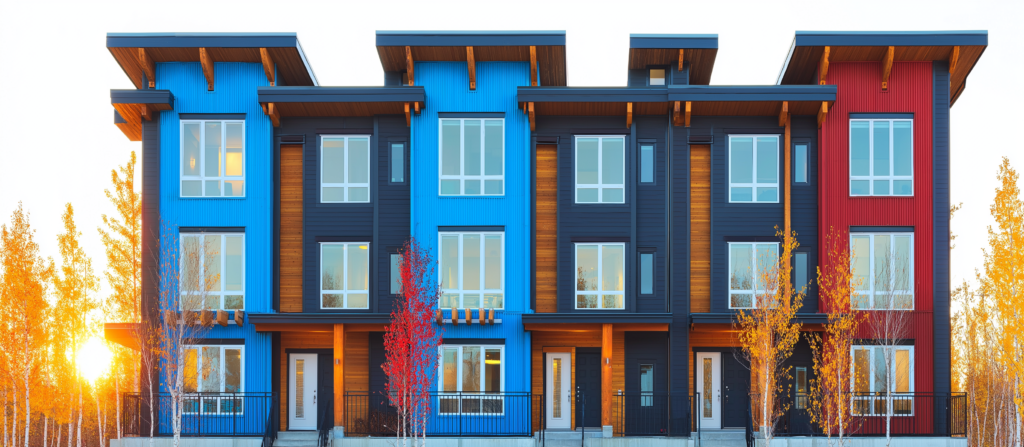
    townhouse for rent

    Renting a two bedroom townhome provides ample space for both home offices and visiting guests, making it a practical and comfortable living option. With custom kitchens and attached garages, two bedroom townhomes offer you more flexibility. Two bedroom townhomes for rent are ideal for commuters because of their spaciousness and convenience. Here is how to maximize space in a two bedroom townhome:


    Utilize Smart Layouts


    Instead of opting for traditional furniture arrangements, look for creative ways to arrange your furniture. You could use a corner or L-shaped desk in your office to save space and create more storage. When you’re short on closet space, try using vertical storage solutions such as tall bookshelves or cubes.


    A two-bedroom townhome floor plan is often versatile, allowing the space to be used in multiple ways, such as a shared living area with a kitchenette. Use large pieces of furniture to divide up areas, such as using a bookshelf or screen to separate the living room from the dining area. The second bedroom can also be utilized as a guest room, home office, or even a workout space.


    Use Outdoor Extensions


    When living in a townhome, you have access to patio and balcony spaces that are practical for extending your living space. You can use a small balcony as a reading nook or add some plants to create a mini garden. For larger patios, you can set up outdoor furniture and use it as an additional dining area or entertainment space for guests.


    The expansive grounds at townhomes provide inviting outdoor spaces where pets can run and play freely. Having a backyard is especially valuable for pet owners, offering a safe, comfortable environment for daily activities. These outdoor areas also create the perfect setting for entertaining, whether you’re hosting a barbecue or relaxing around a fire pit with family and friends.


    Utilize Attached Garages


    One way to maximize your townhome living experience is to utilize the attached garage fully. Not only does this provide you with a designated parking space, but it also offers additional storage options for items such as seasonal decorations. You can also use the space as a workshop or home gym if desired.


    Two bedroom townhomes for rent offer the convenience of an attached garage, allowing you to easily access your car. The attached garage also provides a sense of security compared to street parking. Use the added storage space for keeping your belongings organized and easily accessible.


    Designate Home Office Areas


    Setting up a home office area is helpful for those who work from home or need a dedicated space for studying. Townhomes offer you enough room for a designated home office without sacrificing other living spaces. Customize the space to your liking, giving you the freedom to create an environment that promotes productivity.


    Your home office area can be a separate room or section of a larger room. When you have a designated workspace, you can better separate your work life from your personal life. This allows you to have a clear distinction between the two and helps maintain a healthy balance. The home office space can also serve as a physical barrier, preventing distractions from other household activities.


    Find Two Bedroom Townhomes for Rent


    Finding two-bedroom townhomes for rent is easier when you partner with a trusted real estate agent. You get options and professional advice on available amenities and the location. Contact a real estate agent today and take the first step towards finding your two-bedroom townhome.


    partnered post

  • What is Asset Tracking & Do I Need for Artwork?

    asset tracking and artwork security

    When people hear the term asset tracking, they often think of trucks, tools, or IT equipment. But asset tracking is just as important in the world of artwork security

    Whether you own a private collection, manage a gallery, or oversee artworks in offices, museums, or hotels, knowing where your artwork is—and what condition it’s in—matters more than ever.

    This guide explains asset tracking in simple terms and helps you decide if it’s something you truly need.


    What Is Asset Tracking?

    Asset tracking is the process of monitoring valuable items to know their location, movement, and status at all times. This is usually done using tools like:

    • Digital asset registers
    • RFID tags or QR codes
    • GPS trackers (for transport)
    • Cloud-based tracking software

    For artwork, asset tracking goes beyond basic inventory. It creates a clear record of ownership, location, movement, and condition, helping protect pieces that may be rare, fragile, or irreplaceable.


    Why Asset Tracking Matters for Artwork Security

    Artwork is different from most assets. It can be highly valuable, emotionally significant, and easy to move without obvious signs of loss. That makes it a common target for theft, misplacement, and damage.

    Here’s why asset tracking plays a key role in artwork security:

    1. Prevents Loss and Theft: Knowing exactly where each piece is at all times reduces the risk of artwork going missing. If a piece is moved without approval, tracking records can quickly show when and where it happened.
    2. Creates Accountability: When artwork is loaned, transported, or displayed in different locations, asset tracking creates a clear chain of responsibility. This discourages careless handling and makes investigations faster if something goes wrong.
    3. Protects During Transport: Artwork is most vulnerable when it’s being moved. Asset tracking allows you to monitor transit routes, delivery times, and handovers, reducing risk during shipping or relocation.
    4. Supports Insurance Claims: In the event of theft, fire, or damage, detailed tracking records can be critical. Insurers often ask for proof of ownership, location history, and condition reports—all of which asset tracking systems provide.


    What Does Artwork Asset Tracking Include?

    A good artwork asset tracking system usually covers more than just location. It may include:

    • Artist name and artwork title
    • Photos and condition reports
    • Current and past locations
    • Loan and exhibition history
    • Insurance values
    • Transport and handling records

    All of this information is stored digitally, making it easy to access when needed.


    Who Needs Artwork Asset Tracking?

    You might think asset tracking is only for large museums, but that’s no longer true. You may need it if you are:

    • A private art collector with valuable pieces
    • A gallery owner managing rotating exhibitions
    • A corporate office displaying artwork across locations
    • A museum or cultural institution
    • An art logistics or storage provider

    Even smaller collections benefit from tracking, especially as artwork values increase over time.


    Signs You Might Need Asset Tracking

    If you’re unsure whether asset tracking is right for you, consider these questions:

    • Do you manage multiple artworks in different locations?
    • Is your artwork insured or increasing in value?
    • Do pieces move often for exhibitions, loans, or events?
    • Would it be difficult to prove where an artwork was last seen?

    If you answered yes to any of these, asset tracking can significantly improve your artwork security.


    How Asset Tracking Improves Daily Management

    Beyond security, asset tracking makes day-to-day artwork management easier. You spend less time searching for records and more time focusing on care and presentation. It also reduces human error, such as forgotten loans or outdated inventory lists.

    Many modern systems are simple to use and designed for non-technical users, making them accessible even for small teams.


    Is Asset Tracking Expensive?

    The cost of asset tracking varies depending on the size of your collection and the level of detail you need. However, when compared to the financial and emotional cost of losing artwork, asset tracking is often a smart and affordable investment.

    In many cases, digital tracking tools cost far less than insurance premiums and can even help lower them by improving security practices.


    Final Thoughts: Do You Really Need It?

    Asset tracking is no longer just a “nice to have” for artwork owners—it’s a practical tool for modern artwork security. If your artwork has value, moves between locations, or needs protection from loss and damage, asset tracking gives you peace of mind and control.

    Knowing where your artwork is, who handled it last, and what condition it’s in can make all the difference when it matters most.

    partnered post

  • 3 Considerations Before Embarking on Any Home Renovation

    16861153055_246605b646_k

    A home renovation takes a lot of time, patience, and hard work to complete. There are some things you should take into consideration before taking on a task like this. Here are the top three things to consider before you make the final decision on any home renovation project.

    The Whys and the Hows

    The first thing that you need to think about is why are you doing this renovation and what you want it to look like in the end. It is extremely important that you know what your objective is before you begin. One popular reason for home renovations is to see an increase on your rental return and to improve the capital value of a home you own. Another completely viable reason is for your own enjoyment. It may be important to you to keep up with your neighbors or to set the bar before they can. Figure out exactly why you want to do this home renovation and keep that in mind during the process.

    You will also want to have a good idea of what you want your home renovation to look like in the end. This can help you decide whether you are able to do this project on your own or if you will have to hire someone else to do it for you. If you are hiring someone else, this will give you a starting point to show the contractor you decide on. A simple diagram showing where you want everything placed that includes detailed notes on exactly what you want is exactly what you need to create. Be as clear about any details as you can.

    What Will It Make You Feel

    When you know why you are committing to this home renovation and have a plan mapped out, you should then ask yourself how you want to feel when it is all completed. Adding a new pool will likely give you a relaxed feeling in the end. Creating a new deck will often supply you with a place to show off your handiwork. You should be proud of what you've done. If you are simply adding to the landscaping around your house, you will likely feel invigorated. Make sure that you are able to reward yourself and finish the renovation with a party that includes your family and friends.

    Do You Have the Time?

    The third thing that you should consider before you renovation is the time and effort that you are willing to give for the project. If you have all the time in the world, by all means start the project right away and enjoy the fruits of your labor. If you are only willing and able to give a few hours a week, those hours may be better spent finding a contractor who will do the work for you.

    Make sure to consider all of the things that you will have to do prior to and during this renovation. You may need to acquire permits before you begin. Do you even know what vacuum excavations are? You will need to purchase materials, rent tools, and produce high-quality work. Scheduling all of this around your busy workday may be far from possible. You will also need to spend time and energy if you hire a contractor. You will need to keep your accounts paid, schedule the work around you and your families schedules, and check on the work to make sure it's coming along as you wish. No matter which direction you go there will be a lot of work involved.

    Any home renovation begins with planning. Figure out why you want this home renovation and map it out as completely as you can. Next, decide on how this home renovation will make you feel in the end. Finally, decide whether you can put forth the time and effort required to complete the project. After you have all that down it should be about time to start.

    Note: this is a partnered post and consideration was received for its publication. CC-licensed image by Georgie Sharp.