• What Older Homes in Buford Taught Me About Prioritizing Maintenance

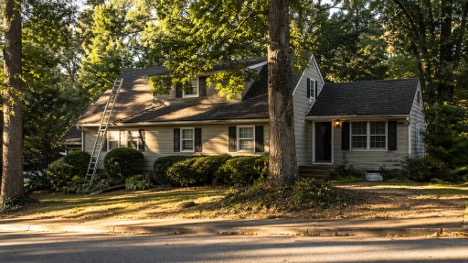
    Older home in Buford GA with mature trees and visible signs of routine maintenance in a quiet neighborhood

    The first time I owned an older home in Buford, I almost made a $20,000 mistake within the first year.

    Nothing looked wrong at a glance. The kitchen had been updated, the paint was fresh, and everything felt move-in ready. But a few months in, after a stretch of heavy summer rain, I found moisture building up in the crawl space. Not long after that, the HVAC system started struggling to keep up with the heat.

    That was the moment it clicked. Older homes don’t fail all at once. They fail where maintenance was delayed.

    If you’re buying or already living in an older home in Buford, Georgia, understanding what to prioritize can save you a lot of money—and stress.

    Key Takeaways
    • Focus on structural and mechanical systems before cosmetic upgrades
    • Many older Buford homes hide deferred maintenance behind updates
    • Prioritizing correctly can save thousands over time
    • Georgia’s humidity accelerates wear on roofs, crawl spaces, and HVAC systems
    • Having trusted service contacts early prevents bigger issues later
    • Appliances often fail sooner than expected and should be planned for

    Why Older Homes in Buford Are Still Worth It

    Buford sits in Gwinnett County, close enough to Atlanta for convenience but far enough to keep a slower pace. The older neighborhoods—especially those closer to downtown or tucked near Lake Lanier—offer something newer developments usually cannot.

    You’ll notice it right away. Larger lots. Mature trees. Homes that feel established rather than newly dropped into place.
    Many of these houses were built in the 1970s and 1980s, before aggressive cost-cutting became standard in residential construction. The framing tends to be solid. The layouts are practical. And the neighborhoods have had decades to settle in.

    But there’s a trade-off.

    When you buy an older home, you’re not just buying the structure. You’re inheriting every maintenance decision the previous owners made—or avoided.

    The Most Common Mistake I See

    People fix what looks outdated instead of what actually matters.

    It’s understandable. A new kitchen or updated fixtures make a home feel complete. But those upgrades don’t mean much if the roof is near the end of its life or moisture is quietly building under the house.

    Buford’s climate doesn’t give you much margin for error. Long, humid summers keep crawl spaces damp. HVAC systems run hard for most of the year. Roofing materials break down faster than many people expect.

    Ignore those systems, and cosmetic work becomes temporary.

    What to Fix First in an Older Buford Home

    Start With Function, Not Appearance

    When I walk into an older home now, I don’t pay much attention to finishes. I’m looking at how the house performs.

    Roof

    If there’s one place to start, it’s here.

    In Buford, roofs typically last around 15 to 20 years, sometimes less, with constant sun exposure and humidity. Granule loss, soft spots, or poorly installed flashing are all early warning signs.

    Replacing a roof isn’t cheap. Depending on the home, it can run anywhere from $8,000 to $18,000 or more. It’s not something you want to discover after closing.

    HVAC System

    Georgia heat puts HVAC systems under constant strain.

    Most units last about 10 to 15 years in this environment. Once they pass the 12-year mark, I start assuming replacement is coming unless there’s clear documentation of consistent maintenance.

    Service history matters more than appearance here. A clean-looking unit doesn’t tell you how hard it’s been working.

    Crawl Space

    This is where many expensive problems begin.

    Moisture is persistent in Buford, especially in homes built before modern vapor barriers and sealing practices became common. Left unchecked, it leads to mold, wood rot, and eventually structural damage.

    Encapsulation can feel like a high upfront cost, but in many cases, it’s one of the best long-term investments you can make in an older home.

    Electrical and Plumbing

    Homes built before 1990 often come with systems that weren’t designed for today’s demands.

    That might include aluminum wiring, outdated panels, or galvanized pipes that are already restricting water flow.

    These aren’t cosmetic concerns. They affect safety, reliability, and insurance in some cases. I always evaluate these early, even if there are no obvious issues yet.
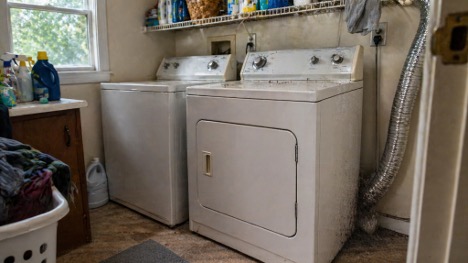
    Laundry room in an older home with a dryer and visible lint buildup near the vent, showing a common maintenance issue

    The Lesson I Learned About Appliances

    Appliances are easy to overlook because they’re still working—until they’re not.

    In my case, the dryer started taking longer to finish a cycle. It didn’t seem urgent, but I had it checked anyway. If you’re dealing with something similar, getting help from a local service that handles appliance repair in Buford early can prevent bigger problems.

    Since then, I’ve treated appliances differently.

    When I move into a home, I document the age of everything—washer, dryer, refrigerator, water heater. From there, I plan ahead rather than wait for failure.
    A simple rule I follow: if a repair starts approaching half the cost of replacement and the unit is already older, I start leaning toward replacing it.

    When Cosmetic Updates Actually Make Sense

    Once the major systems are stable, cosmetic improvements become much more worthwhile.

    This is usually the point where the house stops feeling like a project and starts feeling like your home. You’re no longer reacting to problems. You’re making intentional choices.
    In older homes around Buford, the best results often come from working with what’s already there rather than replacing everything outright. Original hardwood floors, solid wood trim, and even older windows tend to have a level of quality that’s expensive to replicate today.

    I’ve seen homeowners get greater long-term value by restoring rather than starting over.

    That said, when you do move into upgrades, especially in kitchens and bathrooms, the decisions go beyond just design. Where you source materials can affect cost, durability, and overall outcome. If you’re weighing your options, this guide on choosing bathroom products: showroom inspiration or online convenience breaks down what to consider before buying.

    Simple updates like repainting, refinishing floors, or improving insulation often deliver more value than jumping straight into a full remodel. Get the timing right, and those upgrades actually last.

    Why Location Still Matters Within Buford

    Buford has grown quickly, especially toward Braselton and Hamilton Mill. New construction is everywhere.

    But the older neighborhoods, particularly those closer to downtown Buford or near Lake Lanier, still hold a different kind of appeal.

    They feel established. The lots are more generous. The surroundings aren’t constantly changing.

    Buyers are starting to notice that again.

    Well-maintained older homes in these areas are becoming more competitive, not less. And that makes proper maintenance even more important if you want to protect long-term value.

    What Experience Has Taught Me

    I’ve seen two very different outcomes.

    One homeowner spent around $25,000 updating a kitchen while ignoring moisture issues under the house. Within a couple of years, they were dealing with repairs that could have been prevented entirely.

    Another buyer took a less updated home, focused on the roof, crawl space, and HVAC first, and slowly improved everything else over time. The house appreciated, and the maintenance stayed manageable.

    Same type of home. Completely different results.

    The difference comes down to order.

    Handle the systems first. Everything else can wait.

    Frequently Asked Questions

    Are older homes in Buford a good investment?

    Yes, especially in established neighborhoods near downtown or Lake Lanier. The condition of the home matters more than its age.

    How much should I budget for maintenance?

    A common guideline is 1 to 2 percent of the home’s value annually. For older homes, it’s safer to expect closer to 2-3% in the first few years.

    What problems are most common?

    Crawl space moisture, aging HVAC systems, roof wear, and outdated electrical or plumbing are the most frequent issues.

    Is it worth restoring original features?

    In most cases, yes. Original materials often add more long-term value than modern replacements.

    When should I repair versus replace an appliance?

    If the repair cost approaches half the price of a new unit and the appliance is already older, replacement usually makes more sense.

    Closing Thoughts

    Older homes in Buford aren’t risky—they just require a different approach.

    The biggest shift for me was learning to prioritize what keeps the house running, not just what makes it look better.

    Once the roof, HVAC, crawl space, and core systems are taken care of, everything else becomes easier—and more rewarding.

    Get that order right, and these homes offer something newer builds often can’t: character, stability, and long-term value that grows with the way you take care of it.

    partnered post • partner images

  • First-Time Homebuyer Mistakes in Kennesaw (And How to Avoid Them)

    First-time homebuyers reviewing inspection documents outside a suburban home in Kennesaw, Georgia

    Key Takeaways

    • Read your full home inspection report, not just the summary
    • Track the age of major systems, not just cosmetic updates
    • Budget below your loan approval amount
    • Plan for first-year expenses before closing
    • Be cautious about waiving contingencies in competitive offers
    • Understand the quirks of Kennesaw’s older homes

    Buying my first home in Kennesaw felt like a milestone. It is one of Cobb County’s most livable areas, with good schools, walkable neighborhoods, and easy access to places like Swift-Cantrell Park. There is a real sense of community here that draws people in.

    But I have also watched many first-time buyers fall in love with a house, then spend the next two years paying for decisions made in the first two weeks.

    This guide is for anyone buying their first home in Kennesaw who wants to go in with a clear plan. These are not abstract warnings. These are the real mistakes I have seen cost people money, time, and peace of mind.

    Mistake #1: Skipping a Thorough Inspection as a First-Time Homebuyer

    The home inspection is the most valuable step in the buying process. It is also the one that first-time buyers underuse the most.

    I have seen buyers attend the inspection, hear “nothing major,” and move on. Then they ignore a 30- to 40-page report detailing deferred maintenance that totals thousands in repairs.

    Read the entire report. Ask your inspector to explain anything flagged. Focus on more than just the major issues.

    Pay close attention to:

    • Roof age and condition. Replacements in Kennesaw often cost $8,000 to $16,000
    • HVAC age and service history. Georgia summers are unforgiving
    • Crawl space moisture and vapor barriers
    • Electrical panel type and age
    • Plumbing materials such as polybutylene

    A good inspection gives you negotiating leverage and a long-term maintenance roadmap. Use it fully.

    Mistake #2: Ignoring the Age of Systems and Appliances

    The inspection tells you what exists. This step is about understanding when things will fail.

    Most first-time buyers focus on what they can see. Fresh paint, new countertops, and clean flooring often distract from aging systems behind the walls.

    I have walked through homes that looked fully updated but still had:

    • A 14-year-old water heater
    • HVAC units near end-of-life
    • Appliances over a decade old

    Before closing, document the age of every major system and appliance. Then estimate replacement timelines.

    In my experience, homeowners who track and maintain systems spend far less over time. Those who wait for failure often deal with urgent and expensive repairs. One thing that helps is knowing who to call before something breaks. I always recommend finding a reliable option for appliance repair in Kennesaw early, so you are not scrambling when a unit fails unexpectedly.

    Mistake #3: Using Your Full Mortgage Approval as Your Budget

    This is the most common and most damaging mistake I see.

    A lender approves you for $420,000. You buy at $415,000. On paper, it works. In reality, you are left with no margin when something breaks.

    Your loan approval reflects the lender’s risk tolerance. It does not reflect your financial comfort.

    Your real budget should include:

    • Monthly payment plus taxes and insurance, often $300 to $600 more than expected
    • HOA fees, which are common in Kennesaw communities
    • Annual maintenance costs of 1 to 2 percent of home value
    • Utility increases in larger homes
    • Furnishing and move-in costs

    According to industry standards, homeowners typically spend 1 to 2 percent of a home’s value each year on maintenance alone.

    If your budget feels tight before you move in, it will feel worse after. Buy below your ceiling.

    Mistake #4: Waiving Contingencies in a Competitive Market

    Kennesaw’s housing market can be competitive, especially in the $300,000 to $450,000 range.

    When multiple offers come in, buyers feel pressure to waive contingencies. I understand the emotional side of this. Losing a home is frustrating.

    But removing protections can create a serious risk.

    • Waiving inspection means accepting unknown repair costs
    • Waiving financing risks, losing earnest money

    There are safer ways to stay competitive:

    • Increase earnest money
    • Offer flexible closing timelines
    • Use escalation clauses
    • Strengthen your financing position

    In most cases, keeping your contingencies is the smarter long-term move.

    Alt text: Older suburban home in Kennesaw, Georgia, with a first-time buyer evaluating the aging exterior and condition

    Mistake #5: Not Understanding Kennesaw’s Older Housing Stock

    A large portion of Kennesaw homes were built between 1975 and 2000. These homes have specific characteristics that buyers need to understand.

    Common issues include:

    • Aluminum wiring in older properties
    • Single-pane windows that affect energy efficiency
    • Popcorn ceilings that may contain asbestos
    • Aging or undersized ductwork
    • Crawl space moisture problems

    None of these automatically makes a home a bad investment. In fact, older homes often have larger lots and established neighborhoods.

    The key is knowing what you are buying and pricing those factors correctly.

    Mistake #6: Underestimating the First Year of Homeownership

    The first year is almost always more expensive than buyers expect.

    Not because of major disasters, but because of constant small expenses.

    In my experience, new homeowners typically deal with:

    • Lock changes
    • Minor repairs
    • Tool purchases
    • System adjustments
    • Cosmetic updates

    It adds up quickly. Bathroom updates are a common example. I have seen new homeowners jump into upgrades too quickly, then realize how many details they overlooked. This breakdown of what homeowners wish they knew before renovating a bathroom is worth reading before starting any project.

    I recommend setting aside $5,000 to $10,000 for first-year costs. Buyers who plan for this treat it as a normal occurrence. Those who do not feel constantly caught off guard.

    What Makes Kennesaw Homeownership Unique

    Kennesaw sits in northwest Cobb County at a higher elevation than Atlanta. Winters can be slightly cooler, with occasional ice. This affects roofing, plumbing, and outdoor surfaces.

    The city also has an active code enforcement department. Property upkeep matters here, and neighborhoods tend to reflect that.

    Traffic is another factor. Barrett Parkway and Cobb Parkway can get congested during peak hours. I always recommend testing your commute before committing to a location.

    If you are buying in older neighborhoods or near Historic Downtown, pay attention to infrastructure. Some water and sewer lines date back decades, so inspections should include those systems.

    What Separates Prepared Buyers From Stressed Ones

    The buyers who succeed long-term prepare for the reality of the home, not just how it looks.

    They read inspection reports carefully. They know the age of major systems before closing. They build a list of reliable service providers early.

    The buyers who struggle usually rely on appearances. A home can look updated and still require significant work.

    That gap between appearance and condition is where most first-year stress comes from.

    Frequently Asked Questions

    How much should I budget for home maintenance in Kennesaw?

    Plan for 1 to 2 percent of your home’s value annually. A $350,000 home typically requires $3,500 to $7,000 per year. Older homes may require more.

    Is Kennesaw a good place for first-time homebuyers?

    Yes. It offers strong value compared to nearby areas, solid schools, and a stable housing market. The main trade-off is distance from central Atlanta and traffic during peak hours.

    What are the biggest hidden costs after buying a home?

    Property taxes and insurance are often underestimated. Many buyers also overlook first-year expenses such as repairs, tools, and upgrades.

    Should I buy a newer or older home in Kennesaw?

    Both options can work well. Newer homes usually need less immediate maintenance. Older homes often offer better locations and larger lots. The key is understanding the condition and pricing it correctly.

    How competitive is the Kennesaw housing market?

    Homes under $450,000 tend to move quickly, especially in desirable school zones. Being pre-approved and ready to act is essential.

    Final Thoughts for First-Time Buyers

    Buying your first home in Kennesaw is a meaningful milestone. It is a place where long-term investment and quality of life can align well.

    The mistakes that cause problems are predictable. Skipping inspection details, underestimating costs, stretching your budget, and ignoring system age are the most common ones.

    Every one of these is avoidable.

    Know what you are buying. Plan for the real costs. Build your support network early.

    That approach will carry you through the first year and set you up for long-term success.

    partnered post • client image

  • preservation status debated in Decatur

    Paul Donsky has an article in the Atlanta Journal-Constitution on the seemingly endless conflict between preservationists and those who fear that historic status will restrict their ability to alter their own property:

    Residents in the Oakhurst section of Decatur are proud of the tidy bungalows that line the neighborhood’s streets.

    Run-down homes, many dating to the early 20th century, have been
    painstakingly restored, preserving the clean lines and sturdy porches
    that typify the Craftsman bungalow style.

    Some residents say the
    modest, boxy houses are such an integral part of the neighborhood’s
    character that they must be protected, particularly at a time when
    "teardowns" and "McMansions" have become part of the real estate
    lexicon.

    Now, three residents have filed papers asking Decatur’s Historic
    Preservation Commission to make part of Oakhurst a historic district,
    which would prevent most of the older homes in the area from being
    knocked down. Several old homes have already been bulldozed, they say,
    and many others are at risk.

    But others in the neighborhood say the protection would come at too
    high a price. They worry that new rules might prevent them from
    expanding their homes as their families grow, and they grouse about the
    prospect of having to get approval for run-of-the-mill home improvement
    projects.

    read the entire article

  • “like watching Ann Coulter debate Al Franken”

    Picture_3
    Neighbors in the Decatur, Georgia neighborhood of Oakhurst are definitely not agreeing to disagree about a proposal to turn their area into an official historic district. Scott Henry fills us in on the story, something that may not be all that hard to imagine for many of you who live in historic districts, whether recognized or not:

    Threats. Intimidation. Yard signs. Snotty e-mails. Yes, the knives
    are out in Oakhurst, where the proposed creation of what would be
    Decatur’s largest historic district has resulted in a nasty
    neighborhood-wide squabble in which many homeowners have been forced to
    choose sides.

    Terry Michel, a real estate agent who says she supports voluntary
    design guidelines rather than city imposed building restrictions, says
    she’s stopped discussing the issue with neighbors because the rhetoric
    on both sides has become too overheated.

    “The vitriol is off-putting to me,” Michel explains. “It’s like watching Ann Coulter debate Al Frankin (sic).”

    So what is it about a historic district that has so many peoples’ knickers in a wad?

    Mainly, the argument comes down to control over one’s own property.
    If a house is included in the district, then the owner would need to
    get a “certificate of appropriateness” to tear it down, build an
    addition or make significant exterior changes. Construction plans that
    aren’t seen as keeping within the historic character of the
    neighborhood – say, replacing a 1920s Craftsman bungalow with a
    modernist stucco triplex – may not be allowed.