• What Older Homes in Buford Taught Me About Prioritizing Maintenance

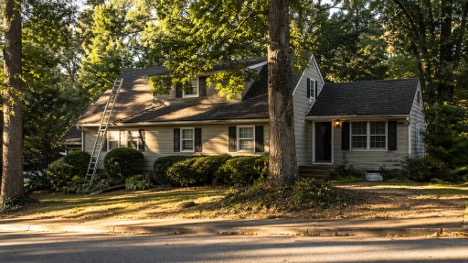
    Older home in Buford GA with mature trees and visible signs of routine maintenance in a quiet neighborhood

    The first time I owned an older home in Buford, I almost made a $20,000 mistake within the first year.

    Nothing looked wrong at a glance. The kitchen had been updated, the paint was fresh, and everything felt move-in ready. But a few months in, after a stretch of heavy summer rain, I found moisture building up in the crawl space. Not long after that, the HVAC system started struggling to keep up with the heat.

    That was the moment it clicked. Older homes don’t fail all at once. They fail where maintenance was delayed.

    If you’re buying or already living in an older home in Buford, Georgia, understanding what to prioritize can save you a lot of money—and stress.

    Key Takeaways
    • Focus on structural and mechanical systems before cosmetic upgrades
    • Many older Buford homes hide deferred maintenance behind updates
    • Prioritizing correctly can save thousands over time
    • Georgia’s humidity accelerates wear on roofs, crawl spaces, and HVAC systems
    • Having trusted service contacts early prevents bigger issues later
    • Appliances often fail sooner than expected and should be planned for

    Why Older Homes in Buford Are Still Worth It

    Buford sits in Gwinnett County, close enough to Atlanta for convenience but far enough to keep a slower pace. The older neighborhoods—especially those closer to downtown or tucked near Lake Lanier—offer something newer developments usually cannot.

    You’ll notice it right away. Larger lots. Mature trees. Homes that feel established rather than newly dropped into place.
    Many of these houses were built in the 1970s and 1980s, before aggressive cost-cutting became standard in residential construction. The framing tends to be solid. The layouts are practical. And the neighborhoods have had decades to settle in.

    But there’s a trade-off.

    When you buy an older home, you’re not just buying the structure. You’re inheriting every maintenance decision the previous owners made—or avoided.

    The Most Common Mistake I See

    People fix what looks outdated instead of what actually matters.

    It’s understandable. A new kitchen or updated fixtures make a home feel complete. But those upgrades don’t mean much if the roof is near the end of its life or moisture is quietly building under the house.

    Buford’s climate doesn’t give you much margin for error. Long, humid summers keep crawl spaces damp. HVAC systems run hard for most of the year. Roofing materials break down faster than many people expect.

    Ignore those systems, and cosmetic work becomes temporary.

    What to Fix First in an Older Buford Home

    Start With Function, Not Appearance

    When I walk into an older home now, I don’t pay much attention to finishes. I’m looking at how the house performs.

    Roof

    If there’s one place to start, it’s here.

    In Buford, roofs typically last around 15 to 20 years, sometimes less, with constant sun exposure and humidity. Granule loss, soft spots, or poorly installed flashing are all early warning signs.

    Replacing a roof isn’t cheap. Depending on the home, it can run anywhere from $8,000 to $18,000 or more. It’s not something you want to discover after closing.

    HVAC System

    Georgia heat puts HVAC systems under constant strain.

    Most units last about 10 to 15 years in this environment. Once they pass the 12-year mark, I start assuming replacement is coming unless there’s clear documentation of consistent maintenance.

    Service history matters more than appearance here. A clean-looking unit doesn’t tell you how hard it’s been working.

    Crawl Space

    This is where many expensive problems begin.

    Moisture is persistent in Buford, especially in homes built before modern vapor barriers and sealing practices became common. Left unchecked, it leads to mold, wood rot, and eventually structural damage.

    Encapsulation can feel like a high upfront cost, but in many cases, it’s one of the best long-term investments you can make in an older home.

    Electrical and Plumbing

    Homes built before 1990 often come with systems that weren’t designed for today’s demands.

    That might include aluminum wiring, outdated panels, or galvanized pipes that are already restricting water flow.

    These aren’t cosmetic concerns. They affect safety, reliability, and insurance in some cases. I always evaluate these early, even if there are no obvious issues yet.

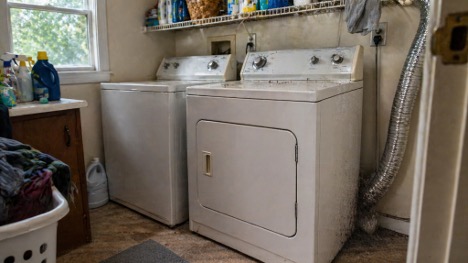
    Laundry room in an older home with a dryer and visible lint buildup near the vent, showing a common maintenance issue

    The Lesson I Learned About Appliances

    Appliances are easy to overlook because they’re still working—until they’re not.

    In my case, the dryer started taking longer to finish a cycle. It didn’t seem urgent, but I had it checked anyway. If you’re dealing with something similar, getting help from a local service that handles appliance repair in Buford early can prevent bigger problems.

    Since then, I’ve treated appliances differently.

    When I move into a home, I document the age of everything—washer, dryer, refrigerator, water heater. From there, I plan ahead rather than wait for failure.
    A simple rule I follow: if a repair starts approaching half the cost of replacement and the unit is already older, I start leaning toward replacing it.

    When Cosmetic Updates Actually Make Sense

    Once the major systems are stable, cosmetic improvements become much more worthwhile.

    This is usually the point where the house stops feeling like a project and starts feeling like your home. You’re no longer reacting to problems. You’re making intentional choices.
    In older homes around Buford, the best results often come from working with what’s already there rather than replacing everything outright. Original hardwood floors, solid wood trim, and even older windows tend to have a level of quality that’s expensive to replicate today.

    I’ve seen homeowners get greater long-term value by restoring rather than starting over.

    That said, when you do move into upgrades, especially in kitchens and bathrooms, the decisions go beyond just design. Where you source materials can affect cost, durability, and overall outcome. If you’re weighing your options, this guide on choosing bathroom products: showroom inspiration or online convenience breaks down what to consider before buying.

    Simple updates like repainting, refinishing floors, or improving insulation often deliver more value than jumping straight into a full remodel. Get the timing right, and those upgrades actually last.

    Why Location Still Matters Within Buford

    Buford has grown quickly, especially toward Braselton and Hamilton Mill. New construction is everywhere.

    But the older neighborhoods, particularly those closer to downtown Buford or near Lake Lanier, still hold a different kind of appeal.

    They feel established. The lots are more generous. The surroundings aren’t constantly changing.

    Buyers are starting to notice that again.

    Well-maintained older homes in these areas are becoming more competitive, not less. And that makes proper maintenance even more important if you want to protect long-term value.

    What Experience Has Taught Me

    I’ve seen two very different outcomes.

    One homeowner spent around $25,000 updating a kitchen while ignoring moisture issues under the house. Within a couple of years, they were dealing with repairs that could have been prevented entirely.

    Another buyer took a less updated home, focused on the roof, crawl space, and HVAC first, and slowly improved everything else over time. The house appreciated, and the maintenance stayed manageable.

    Same type of home. Completely different results.

    The difference comes down to order.

    Handle the systems first. Everything else can wait.

    Frequently Asked Questions

    Are older homes in Buford a good investment?

    Yes, especially in established neighborhoods near downtown or Lake Lanier. The condition of the home matters more than its age.

    How much should I budget for maintenance?

    A common guideline is 1 to 2 percent of the home’s value annually. For older homes, it’s safer to expect closer to 2-3% in the first few years.

    What problems are most common?

    Crawl space moisture, aging HVAC systems, roof wear, and outdated electrical or plumbing are the most frequent issues.

    Is it worth restoring original features?

    In most cases, yes. Original materials often add more long-term value than modern replacements.

    When should I repair versus replace an appliance?

    If the repair cost approaches half the price of a new unit and the appliance is already older, replacement usually makes more sense.

    Closing Thoughts

    Older homes in Buford aren’t risky—they just require a different approach.

    The biggest shift for me was learning to prioritize what keeps the house running, not just what makes it look better.

    Once the roof, HVAC, crawl space, and core systems are taken care of, everything else becomes easier—and more rewarding.

    Get that order right, and these homes offer something newer builds often can’t: character, stability, and long-term value that grows with the way you take care of it.

    partnered post • partner images
  • First-Time Homebuyer Mistakes in Kennesaw (And How to Avoid Them)

    First-time homebuyers reviewing inspection documents outside a suburban home in Kennesaw, Georgia

    Key Takeaways

    • Read your full home inspection report, not just the summary
    • Track the age of major systems, not just cosmetic updates
    • Budget below your loan approval amount
    • Plan for first-year expenses before closing
    • Be cautious about waiving contingencies in competitive offers
    • Understand the quirks of Kennesaw’s older homes

    Buying my first home in Kennesaw felt like a milestone. It is one of Cobb County’s most livable areas, with good schools, walkable neighborhoods, and easy access to places like Swift-Cantrell Park. There is a real sense of community here that draws people in.

    But I have also watched many first-time buyers fall in love with a house, then spend the next two years paying for decisions made in the first two weeks.

    This guide is for anyone buying their first home in Kennesaw who wants to go in with a clear plan. These are not abstract warnings. These are the real mistakes I have seen cost people money, time, and peace of mind.

    Mistake #1: Skipping a Thorough Inspection as a First-Time Homebuyer

    The home inspection is the most valuable step in the buying process. It is also the one that first-time buyers underuse the most.

    I have seen buyers attend the inspection, hear “nothing major,” and move on. Then they ignore a 30- to 40-page report detailing deferred maintenance that totals thousands in repairs.

    Read the entire report. Ask your inspector to explain anything flagged. Focus on more than just the major issues.

    Pay close attention to:

    • Roof age and condition. Replacements in Kennesaw often cost $8,000 to $16,000
    • HVAC age and service history. Georgia summers are unforgiving
    • Crawl space moisture and vapor barriers
    • Electrical panel type and age
    • Plumbing materials such as polybutylene

    A good inspection gives you negotiating leverage and a long-term maintenance roadmap. Use it fully.

    Mistake #2: Ignoring the Age of Systems and Appliances

    The inspection tells you what exists. This step is about understanding when things will fail.

    Most first-time buyers focus on what they can see. Fresh paint, new countertops, and clean flooring often distract from aging systems behind the walls.

    I have walked through homes that looked fully updated but still had:

    • A 14-year-old water heater
    • HVAC units near end-of-life
    • Appliances over a decade old

    Before closing, document the age of every major system and appliance. Then estimate replacement timelines.

    In my experience, homeowners who track and maintain systems spend far less over time. Those who wait for failure often deal with urgent and expensive repairs. One thing that helps is knowing who to call before something breaks. I always recommend finding a reliable option for appliance repair in Kennesaw early, so you are not scrambling when a unit fails unexpectedly.

    Mistake #3: Using Your Full Mortgage Approval as Your Budget

    This is the most common and most damaging mistake I see.

    A lender approves you for $420,000. You buy at $415,000. On paper, it works. In reality, you are left with no margin when something breaks.

    Your loan approval reflects the lender’s risk tolerance. It does not reflect your financial comfort.

    Your real budget should include:

    • Monthly payment plus taxes and insurance, often $300 to $600 more than expected
    • HOA fees, which are common in Kennesaw communities
    • Annual maintenance costs of 1 to 2 percent of home value
    • Utility increases in larger homes
    • Furnishing and move-in costs

    According to industry standards, homeowners typically spend 1 to 2 percent of a home’s value each year on maintenance alone.

    If your budget feels tight before you move in, it will feel worse after. Buy below your ceiling.

    Mistake #4: Waiving Contingencies in a Competitive Market

    Kennesaw’s housing market can be competitive, especially in the $300,000 to $450,000 range.

    When multiple offers come in, buyers feel pressure to waive contingencies. I understand the emotional side of this. Losing a home is frustrating.

    But removing protections can create a serious risk.

    • Waiving inspection means accepting unknown repair costs
    • Waiving financing risks, losing earnest money

    There are safer ways to stay competitive:

    • Increase earnest money
    • Offer flexible closing timelines
    • Use escalation clauses
    • Strengthen your financing position

    In most cases, keeping your contingencies is the smarter long-term move.

    Alt text: Older suburban home in Kennesaw, Georgia, with a first-time buyer evaluating the aging exterior and condition

    Mistake #5: Not Understanding Kennesaw’s Older Housing Stock

    A large portion of Kennesaw homes were built between 1975 and 2000. These homes have specific characteristics that buyers need to understand.

    Common issues include:

    • Aluminum wiring in older properties
    • Single-pane windows that affect energy efficiency
    • Popcorn ceilings that may contain asbestos
    • Aging or undersized ductwork
    • Crawl space moisture problems

    None of these automatically makes a home a bad investment. In fact, older homes often have larger lots and established neighborhoods.

    The key is knowing what you are buying and pricing those factors correctly.

    Mistake #6: Underestimating the First Year of Homeownership

    The first year is almost always more expensive than buyers expect.

    Not because of major disasters, but because of constant small expenses.

    In my experience, new homeowners typically deal with:

    • Lock changes
    • Minor repairs
    • Tool purchases
    • System adjustments
    • Cosmetic updates

    It adds up quickly. Bathroom updates are a common example. I have seen new homeowners jump into upgrades too quickly, then realize how many details they overlooked. This breakdown of what homeowners wish they knew before renovating a bathroom is worth reading before starting any project.

    I recommend setting aside $5,000 to $10,000 for first-year costs. Buyers who plan for this treat it as a normal occurrence. Those who do not feel constantly caught off guard.

    What Makes Kennesaw Homeownership Unique

    Kennesaw sits in northwest Cobb County at a higher elevation than Atlanta. Winters can be slightly cooler, with occasional ice. This affects roofing, plumbing, and outdoor surfaces.

    The city also has an active code enforcement department. Property upkeep matters here, and neighborhoods tend to reflect that.

    Traffic is another factor. Barrett Parkway and Cobb Parkway can get congested during peak hours. I always recommend testing your commute before committing to a location.

    If you are buying in older neighborhoods or near Historic Downtown, pay attention to infrastructure. Some water and sewer lines date back decades, so inspections should include those systems.

    What Separates Prepared Buyers From Stressed Ones

    The buyers who succeed long-term prepare for the reality of the home, not just how it looks.

    They read inspection reports carefully. They know the age of major systems before closing. They build a list of reliable service providers early.

    The buyers who struggle usually rely on appearances. A home can look updated and still require significant work.

    That gap between appearance and condition is where most first-year stress comes from.

    Frequently Asked Questions

    How much should I budget for home maintenance in Kennesaw?

    Plan for 1 to 2 percent of your home’s value annually. A $350,000 home typically requires $3,500 to $7,000 per year. Older homes may require more.

    Is Kennesaw a good place for first-time homebuyers?

    Yes. It offers strong value compared to nearby areas, solid schools, and a stable housing market. The main trade-off is distance from central Atlanta and traffic during peak hours.

    What are the biggest hidden costs after buying a home?

    Property taxes and insurance are often underestimated. Many buyers also overlook first-year expenses such as repairs, tools, and upgrades.

    Should I buy a newer or older home in Kennesaw?

    Both options can work well. Newer homes usually need less immediate maintenance. Older homes often offer better locations and larger lots. The key is understanding the condition and pricing it correctly.

    How competitive is the Kennesaw housing market?

    Homes under $450,000 tend to move quickly, especially in desirable school zones. Being pre-approved and ready to act is essential.

    Final Thoughts for First-Time Buyers

    Buying your first home in Kennesaw is a meaningful milestone. It is a place where long-term investment and quality of life can align well.

    The mistakes that cause problems are predictable. Skipping inspection details, underestimating costs, stretching your budget, and ignoring system age are the most common ones.

    Every one of these is avoidable.

    Know what you are buying. Plan for the real costs. Build your support network early.

    That approach will carry you through the first year and set you up for long-term success.

    partnered post • client image

  • Reasons to Rent a Townhome Before Buying a House


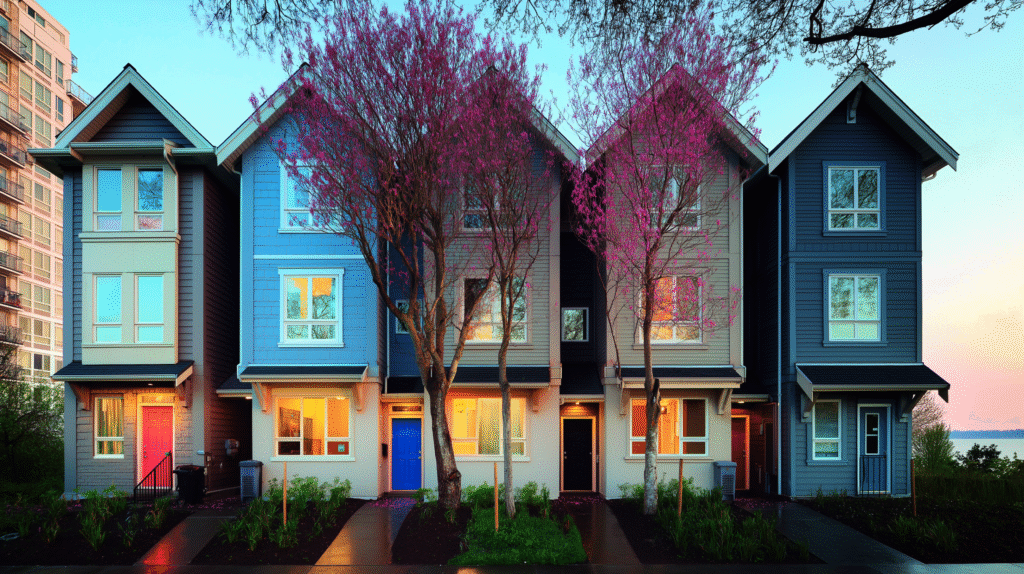
    Townhomes for rent provide a convenient housing option and flexible living solutions. It does not require long-term commitments associated with buying a house. Partnering with a townhome rental provider helps you find a suitable home within your preferred location. Here are some reasons to rent a townhome before buying a house:


    Minimal Maintenance Needs

    When you rent a townhome, the management team handles landscaping, exterior maintenance, and common-area upkeep. You only need to take care of the interior space and your personal belongings. If a major repair is required, you can reach out to management rather than handle it on your own as a homeowner.


    Your role is limited to maintaining cleanliness and supporting the general upkeep of your rental home. The low maintenance needs of townhomes for rent allow you to focus on other aspects of your home, like decor and layout. You get added convenience as a tenant rather than owning a home.


    Flexible Living Option

    Renting a townhome gives you the option to move when your lease ends or extend it, depending on your needs. This is beneficial if you are in a job that requires frequent relocation. When you rent a townhome, you have the flexibility to choose the length of your lease after evaluating the requirements of your career or personal life.


    Outdoor Access Perks

    If you own a pet or enjoy spending time outdoors, living in a townhome may be the right choice for you. Some townhomes have access to outdoor spaces, such as yards or patios, which allow you to keep your pet or relax. For gardeners, owning a townhome offers space for a small outdoor garden. Unlike apartments, where outdoor space is limited, townhomes often provide more space for gardening and landscaping.


    Dog runs, a small fenced-in area for your pets to run and play, are a perk that some townhome communities offer. This allows your pet to get some exercise and socialize with other pets in the neighborhood. You can join other pet owners for walks around the community, fostering a sense of community.


    Modern Features

    One benefit of renting a modern townhome is the feature upgrades that are often included. You get granite countertops, energy-efficient appliances, gas fireplaces, and open layouts included with the home. These features are designed to improve your living experience and make daily tasks more manageable.


    In some townhomes for rent, you have attached garages, which can provide added convenience and security. You no longer have to worry about parking your car on the street, and you can access your vehicle directly from inside your home. This feature is especially convenient during harsh weather conditions or when carrying groceries.


    Book Your Townhomes for Rent

    Collaborating with a real estate agent can help you discover available townhomes for rent in your desired location. You can also choose between a 2 or 3 bedroom townhome, depending on your needs and time frame. Contact a townhome rental provider to book your site visits and begin securing your new home.


    partnered post • image by Midjourney

  • Marble vs. Quartz: Which Countertop is Right for You?

    Marble vs. Quartz: Which Countertop is Right for You?

    Moehong_comparing_countertop_materials_marble_vs._quartz_colorf_56fd4320-0939-49ce-b7a7-a8015b36a9de

    When it comes to choosing the perfect countertop material for your home, the debate between marble vs. quartz is a common one. Both materials are popular for their beauty and functionality, but they cater to different needs and preferences. Whether you’re renovating your kitchen, upgrading your bathroom, or simply exploring options, this guide will help you understand the key differences, benefits, and considerations to make an informed decision. Let’s dive into the world of marble and quartz to find out which one suits your lifestyle and design goals.

    What is Marble?

    Marble is a natural stone formed from limestone under intense heat and pressure. Known for its timeless elegance and unique veining patterns, marble has been a symbol of luxury for centuries. It’s a favorite choice for homeowners who want to add a touch of sophistication to their spaces.

    Key Features of Marble:

    • Aesthetic Appeal: Marble's natural veining and soft, elegant colors make it a stunning choice for countertops, flooring, and decorative accents.
    • Heat Resistance: Marble stays cool, making it ideal for baking and pastry preparation in kitchens.
    • Unique Patterns: No two marble slabs are exactly alike, offering a one-of-a-kind look. 

    What is Quartz?

    Quartz is an engineered stone made from approximately 90-95% crushed natural quartz and 5-10% resins and pigments. It’s designed to combine the beauty of natural stone with the durability and low maintenance of modern materials. Quartz is a popular choice for busy households and high-traffic areas.

    Key Features of Quartz:

    • Durability: Quartz is highly resistant to scratches, chips, and stains, making it a practical choice for kitchens and bathrooms.
    • Low Maintenance: Unlike natural stone, quartz doesn’t require sealing and is easy to clean with mild soap and water.
    • Consistent Patterns: Quartz offers a wide range of colors and patterns, including options that mimic the look of natural stone like marble.

    Marble vs. Quartz: Key Differences

    To help you decide between marble and quartz, let’s compare them across several important factors.

    Appearance 

    • Marble: Known for its elegant veining and smooth, polished finish, marble exudes luxury and sophistication. It’s perfect for creating a classic or high-end look.
    • Quartz: Offers a more uniform appearance with consistent patterns. It’s available in a variety of colors and styles, including designs that replicate the look of marble.

    Durability

    • Marble: Requires regular sealing and immediate cleaning of spills to prevent staining. Avoid acidic cleaners to maintain its finish.
    • Quartz: Highly durable and non-porous, quartz is resistant to scratches, stains, and heat. It’s a better choice for high-use areas. 

    Maintenance

    • Marble: Requires regular sealing and immediate cleaning of spills to prevent staining. Avoid acidic cleaners to maintain its finish.
    • Quartz: Low maintenance when properly sealed. Regular cleaning with mild soap and water is usually sufficient.

    Cost

    • Marble: Generally more expensive due to its luxurious appeal and limited availability.
    • Quartz: More affordable and widely available, making it a budget-friendly option for many homeowners.

    Applications

    • Marble: Ideal for low-traffic areas like bathroom vanities, fireplace surrounds, and decorative accents.
    • Quartz: Perfect for high-traffic areas like kitchen countertops, flooring, and outdoor spaces.

    Which Should You Choose: Marble or Quartz?

    The choice between marble and quartz ultimately depends on your lifestyle, budget, and design preferences. Here’s a quick guide to help you decide.

    • Choose Marble If: You prioritize aesthetics and are willing to invest in regular maintenance. Marble is perfect for creating a luxurious, timeless look in spaces that don’t see heavy use.
    • Choose Quartz If: You need a durable, low-maintenance material that can withstand daily wear and tear. Quartz is ideal for busy households and high-traffic areas.

    Environmental Impact: Marble vs. Quartz?

    When choosing between marble and quartz, it’s worth considering the environmental impact of each material. Both have their pros and cons in terms of sustainability.

    • Marble: As a natural stone, marble is eco-friendly in terms of its composition. However, quarrying marble can be energy-intensive and may result in significant waste.
    • Quartz: While quartz is an engineered material, many manufacturers use recycled materials in its production. However, the manufacturing process can be resource-intensive.

    Best Uses for Marble and Quartz

    Best Uses for Marble

    Marble’s timeless beauty and luxurious appeal make it a favorite for creating elegant, high-end spaces. However, its softer and more porous nature means it’s better suited for certain applications. Here are the best uses for marble:

    1. Bathroom Vanities

    • Why: Marble’s natural veining and smooth finish add a touch of luxury to bathroom spaces. Its cool surface feels great in a bathroom setting.
    • Tip: Use marble for vanity tops, shower walls, or flooring to create a spa-like atmosphere.

    2. Fireplace Surrounds

    • Why: Marble’s heat resistance and elegant appearance make it a perfect choice for fireplace surrounds. It can transform a simple fireplace into a stunning focal point.
    • Tip: Pair marble with neutral tones to enhance its natural beauty.

    3. Decorative Accents

    • Why: Marble’s unique patterns and colors make it ideal for decorative pieces like tabletops, shelves, or wall cladding.
    • Tip: Use marble accents to add a touch of sophistication to living rooms or entryways.

    4. Baking Stations

    • Why: Marble stays cool, making it perfect for baking and pastry preparation. It’s often used in kitchen islands or dedicated baking areas.
    • Tip: Keep marble baking stations away from high-traffic areas to minimize wear and tear.

    Best Uses for Quartz

    Quartz’s durability, low maintenance, and versatility make it a practical choice for high-traffic areas and modern designs. Here are the best uses for quartz:

    1. Kitchen Countertops

    • Why: Quartz is highly resistant to scratches, stains, and heat, making it ideal for busy kitchens. Its non-porous surface is also hygienic and easy to clean.
    • Tip: Choose quartz in neutral tones for a timeless look or bold colors for a modern vibe.

    2. Bathroom Countertops

    • Why: Quartz’s resistance to moisture and stains makes it a great choice for bathroom countertops. It’s also available in a wide range of colors and patterns.
    • Tip: Pair quartz countertops with marble accents for a luxurious yet practical bathroom design.

    3. Flooring

    • Why: Quartz’s durability and scratch resistance make it suitable for high-traffic areas like hallways, living rooms, and kitchens.
    • Tip: Opt for textured finishes to prevent slipping in wet areas.

    4. Outdoor Kitchens

    • Why: Quartz is highly resistant to weathering, making it a great choice for outdoor kitchens and bar tops.
    • Tip: Ensure the quartz is rated for outdoor use to avoid discoloration from UV exposure.

    5. Commercial Spaces

    • Why: Quartz’s durability and low maintenance make it a popular choice for restaurants, hotels, and office spaces.
    • Tip: Use quartz in high-traffic areas like reception desks or conference tables.

    Resale Value: Marble vs. Quartz?

    If you’re considering the long-term value of your investment, it’s important to think about how marble and quartz might impact your home’s resale value. Both materials are highly desirable, but they appeal to different types of buyers.

    • Marble: Marble is often associated with luxury and high-end design. Homes with marble features, such as countertops or flooring, can attract buyers looking for a premium, elegant aesthetic. However, some buyers may be wary of marble’s maintenance requirements, which could slightly limit its appeal.
    • Quartz: Quartz is a popular choice among homebuyers due to its durability and low maintenance. It’s often seen as a practical and stylish option, making it a safe bet for increasing resale value. Quartz countertops, in particular, are a sought-after feature in kitchens and bathrooms.

    The Installation Process for Indoor Use: Marble vs. Quartz?

    The installation process for marble and quartz differs due to their unique properties. Here’s a breakdown of what to expect.

    Marble Installation: 

    • Precision is Key: Marble’s natural veining and patterns require careful planning to ensure the final installation looks cohesive. Professionals often take extra time to align the veining for a seamless appearance.
    • Fragility: Because marble is softer and more prone to chipping, measurements and templating must be extremely accurate to minimize the need for adjustments during installation.
    • Sealing: Marble requires sealing during and after installation to protect it from stains and damage.

    Quartz Installation: 

    • Easier Process: Marble’s natural veining and patterns require careful planning to ensure the final installation looks cohesive. Professionals often take extra time to align the veining for a seamless appearance.
    • No Sealing Required: Quartz is non-porous, so it doesn’t require sealing during or after installation.
    • Consistent Patterns: Quartz’s uniform appearance makes it easier to template and install without worrying about visible seams.

    FAQs

    1. Is marble more expensive than quartz?

    Yes, marble is generally more expensive than quartz due to its luxurious appeal and limited availability. However, prices can vary depending on the type, color, and origin of the stone.

    2. Can you use marble in the kitchen?

    Yes, you can use marble in the kitchen, but it requires extra care. Marble is prone to staining and etching, so it’s best suited for areas with light use, such as baking stations or islands.

    3. How often do you need to seal quartz?

    Quartz doesn’t require sealing because it’s non-porous. Regular cleaning with mild soap and water is sufficient to maintain its appearance.

    partnered post • image by midjourney

  • How to Sell a House As-Is When it Needs Repairs

    Pexels-scott-webb-1029599

    Selling a home when it needs repairs and renovations can be challenging. You have to adjust your price expectations to take into account expenses the buyer will incur after buying the house, or budget to make those renovations before you sell. However, there is a way to sell your house without going through all the repairs yourself; it just takes research and strategy. This blog post will explore how you can still profit while selling an older home that requires work. Keep reading to learn more!

    Give All Details About Repairs Needed

    The first step is to be upfront and honest about the condition of your home. It is essential to provide potential buyers with an accurate picture of what needs to be done, so they can come in knowing exactly what they’re buying. Have a licensed contractor or home inspector inspect the house and create an extensive list of all repairs that need to be done.

    This list can be used when discussing the purchase price and will let buyers know what they’re getting into before they make an offer. You can get rid of clutter and create a more inviting atmosphere, but details about repairs will help buyers to understand what they need to do once the sale is complete.

    Price Accordingly

    You may get a partial market value when you sell a home in as-is condition. That’s why it is crucial to price your home accordingly. Consider the cost of repairs, any improvements you have already made, and how much comparable homes in the area are selling for.

    You should also be aware that buyers might use this list as part of their negotiation strategy, so be prepared to go back and forth.

    Sell to Companies that Buy Houses for Cash

    If you’re looking for a fast sale, selling your home to a company that buys houses for cash can be an excellent option. These companies can offer a fair price without needing costly renovations. You can escape the situation quickly and save money on home rehab expenses. Also, because they offer cash on the spot, you don’t have to wait months for the sale to go through.

    Offer Incentives for Buyers

    Another way to sweeten the pot is by offering incentives to potential buyers willing to take on the repairs themselves. These can include offering lower closing costs or paying a portion of the repair costs upfront. You could also offer an extended escrow period, giving buyers more time to come up with the necessary money for the repairs.

    Prioritize Minor Repairs

    Even if you’re selling as-is, it can still be beneficial for you to make minor repairs that don’t cost much money but can help make the home more appealing to potential buyers. Things like painting the walls or replacing broken light fixtures can go a long way in making your house look great and showing buyers that you care about its condition.

    The goal is to make the house as presentable as possible so buyers can make an informed decision. Carefully go over every detail to ensure it is up to par, and consider getting a professional opinion if you need more clarification.

    Selling a home in as-is condition can be done with the right strategy. Remember to be upfront about necessary repairs and price your home according to its current condition. The key is ensuring potential buyers understand what they’re getting into before committing. With research, patience, and effort, you can get the most out of your home, even in its current condition.

    partnered post • image by Scott Webb & Pexels

  • Some of the Repairs You Should Do When Moving Out

    14683431173_995327002f_b

    Homes play a significant role in our lives. Many people tend to be excited when they finally move out. When moving out, you should not be too carried away by the events, especially if you are planning to sell the house. Those that have tried selling their homes know that it is a struggle. Only a few lucky homeowners have sold their homes with no challenges. There are things you may require to do to increase your chance of making a sale at a good price. Below are some of the repairs you should consider when moving out.

    Holes in the Walls

    Making a sale when moving things out of the home is challenging because of various reasons. The true condition of the house may have been hidden by some of the items inside. When the house is nearly empty, buyers are most likely to see the damages on the walls. The first repair you should consider doing is to patch any holes in your walls. Make sure you patch the holes neatly to the point that a buyer may not notice. No one will be willing to spend a lot of cash on a house with holes in the wall.

    Paint

    It is essential to make the house you wish to sell be captivating. It needs to capture the attention of potential buyers. Many people are informed to paint their homes if they want to make a quick sale. Well, a little fresh paint will be significant in helping you sell your home. However, this does not mean that you have to repaint the whole house. Repainting a room or two may be all it takes. Make sure that you choose a neutral color when painting. You should consider getting more useful info from a professional on the type of color and paint to use.

    Cleaning

    Making your home look presentable is crucial when selling it. You should make sure that you take your time cleaning the house. Every room should be clean and tidy. This will make potential buyers view the home feel welcomed and at home. You can even hire a professional to help you clean up the place. Things like cleaning up the carpet or hardwood floors may require extra attention and skills.

    Fix Minor Plumbing Issues

    There are some repairs you can comfortably do yourself, and this includes repairing minor plumbing issues. Make a point of checking if there is any leakage in the kitchen sink, and if there are any, try to fix it. Another place that may need a minor plumbing fix is the bathroom. Many people tend to focus on the bathroom when buying a home. If there is a major plumbing problem, you should call a plumbing expert to be on the safe side.

    Conclusion

    Though doing the repairs mentioned above will help you sell your home, you should also consider hiring an experienced real estate agent. You should also consider remodeling some of the rooms like the kitchen and master bedroom.

    partnered post • cc-licensed image by Guy Kilroy

  • Increasing Your Curb Appeal on a Budget

    2926973287_2a0644ea57_c

    The outside of your home is the first thing people will see when they approach your home. It doesn't matter how elaborately you’ve cleaned the inside your home, if the exterior is lacking, it can leave people with a bad first impression. A large budget is not needed to increase your curb appeal or give your home's exterior a fresh new look. There are simple things that can be done on a budget that can make a very big difference. 

    Spruce Up Your Front Door

    You want your home to look welcoming, which is why having a nice-looking front door can make a big difference. If your door is already in good condition, you may just want to slap on a new coat of paint or go with a new color to change things up. You can also replace or restore the hardware to give it a fresh new look. If you want to make your door really stand out, go with a bold color that goes well with the rest of the house. To spruce up your front door even more, add some decor, such as a wreath or a decorative sign. 

    Replace or Update Light Fixtures

    Replacing faulty light fixtures is not only for decorative purposes. They can also be a safety issue, helping you spot anything that may be wrong. Motion lights can help you stay safe when walking at night and they can also be a deterrent to criminals. Check with your homeowner's insurance company to make sure your coverage is up to date and see if they offer any discounts for security features like lights.

    If you already have good-looking light fixtures, sprucing them up with a coat of paint can help them look even better. 

    Tend Your Lawn

    Your lawn is likely going to be the first thing many people notice when they come over. This is why it's important to take good care of it. Mow it on a regular basis and rake any leaves that have fallen. If you have patches where the grass isn't growing properly, throw down some grass seeds and fertilizer. Weeds can easily take over your yard if you let them. When you mow the grass, you'll need to take care of the weeds too. There are some things you want to keep in mind when it comes to lawn maintenance, such as: 

    • Avoid cutting grass too short 
    • Keep the mower blades sharp 
    • Try to mow when you have shade 
    • Adjust the blade height accordingly 

    You can also utilize a method called “grasscycling.” This is when you leave your grass clippings on the lawn after cutting. This helps to keep things fertilized. 

    Plant and Maintain Flowers

    Planting a garden is a great way to transform the look of your home's exterior, allowing you to get as creative as you'd like to be. Gardening is also a great hobby; it is known to be a great stress relief tool. When it comes to flowers, you can plant an assortment all over your yard in all the areas that need a splash of color and design. Hydrangeas are large plants that are spectacular when they bloom. They look good along the edges of a property. Azaleas are also plants that are often utilized for increased curb appeal because they sit nicely in flower beds and around the mailbox. They also look great along the porch.

    Pressure Wash  

    To brighten up the outside of your home, a very budget-friendly way to increase your curb appeal is to power wash your siding to clean off the dirt and grime that has accumulated. Always follow proper power washer safety, such as avoiding accidentally spraying yourself or anyone else because doing so can cause serious injuries.

    It doesn't take a lot of effort to make your yard look well-maintained and pretty to look at, and it doesn't cost a lot either.

    brought to you by our site supporters • cc-licensed image by one2c900d

  • real estate listings: MLS to RSS

    Rssfeedgraphicbig
    So, obviously I’ve become a bit addicted to Yahoo Pipes. This free tool lets you aggregate, organize, and filter data from an unlimited number of RSS feeds and databases and present it in almost any kind of electronic form you can imagine.

    I’ve found a really good use for it, one which is – amazingly – missing from the vast majority of real estate listing sites. Redfin, Zillow, Realtor.com and all the others: you are really letting the entire industry down by not having raw MLS data available as an RSS feed! I just could not believe that in an age when so many of us get our data on mobile devices and from feed readers that these firms wouldn’t have easily-configurable custom RSS feeds of their listings, but sure enough they don’t. Ziprealty is one of the very few to have such a useful feature, and more power to them for it.

    Using Ziprealty’s listings, house-for-sale posts on Craigslists in a dozen markets and a few other small sites here and there, I’ve created a Yahoo Pipe that includes only listings self-described as "Craftsman," "Mission," "Prairie," or "bungalow." Now, if I can only figure out how to include photos of each property…

    http://pipes.yahoo.com/hewnandhammered/homesforsale

    If you are an agent, a broker or an MLS firm, please publish your data as a configurable / custom RSS feed. This way, searches that could take hours can be finished in just a minute or two, and users don’t need to revisit the sites every single day – using a service like feedburner or one of the many rss-to-email services, we can be notified only when our search criteria pop up in a market we are interested in, in our price range.

    And if you know of any listings services that do issue their data as an RSS feed, please share that info in the comments section below – I’d love to add them to the pipe. Also, let me know if you’d like me to include other cities’ Craigslist posts, I can do that pretty easily.

    If this tool is useful to you and if you think other folks might find it interesting, please digg it:


  • Lead-based paint and real estate: how does it affect you?

    Tip7
    Reader and regular contributor Joel McDonald – a real estate professional who frequently writes on issues important to those considering buying, remodeling or restoring an older home – submits the following:

    Even though lead-based paint has been outlawed for a long time, it is still a very real issue for both homeowners and real estate agents. In 1992, the Housing and Community Development Act made it so that seller of real estate had to disclose potential lead-based paint hazards to the purchaser at the time of sale.  Lead was used as a paint additive for nearly 125 years before it was linked to health problems around 1978.  That year, it was determined that lead would not be added to paint as an additive any longer. Any home that was built prior to 1978 could potentially have a lead-based paint problem.

    The Hazards of Lead-Based Paint
    The presence of lead-based paint in a home environment can lead to lead poisoning.  Children under the age of six run the greatest risk of developing lead poisoning from lead-based paint because young, growing bodies absorb many of the minerals that they come into contact with, whether it is much needed calcium or very dangerous lead.  Continuously high levels of lead in the body can lead to brain damage, behavior problems, hearing problems, and damage to the nervous system.  These problems can occur in both adults and children, and additionally in children, normal growth can be impaired.

    Any home built prior to 1978 that has cracked, peeling, or chipping paint should be treated as a potential hazard and should be repaired immediately. If paint containing lead was used around the window or door frames in the home, the process of opening and closing these items may be creating a surprisingly large amount of dust containing lead. This dust is potentially hazardous and can be difficult to get rid of.  Vacuuming, sweeping, and dusting can cause the lead dust to reenter the air and dust will be kicked up every time you take a step within the home. The dust can also be tracked outside where it will contaminate the soil around the home.

    Does Your Home Have a Lead-Based Paint Problem?
    In order to discover whether your home has a lead-based paint problem, the Environmental Protection Agency (EPA) recommends that every home built prior to 1978 receive a paint inspection conducted by a trained professional. A paint inspection will let the homeowner know the lead content of every painted surface in the home and will uncover any areas or sources of serious lead exposure.

    Although there are kits available commercially that allow the homeowner to conduct the testing on their own, the EPA recommends an inspection conducted by a professional inspector to uncover any dangerous areas that may be overlooked by the untrained eye. Some states have very specific rules and regulations dealing with the discovery and remedy of a lead-based paint issue, and the professional inspectors will be able to advise the homeowner of these rules and let them know the next step in the process of removing lead-based paint from their home.

    Article contributed by Colorado’s Fort Collins real estate service, Automated Homefinder.

    image courtesy of the Environmental Protection Agency