• How to Choose the Perfect Fireplace Tile for Your Home Style

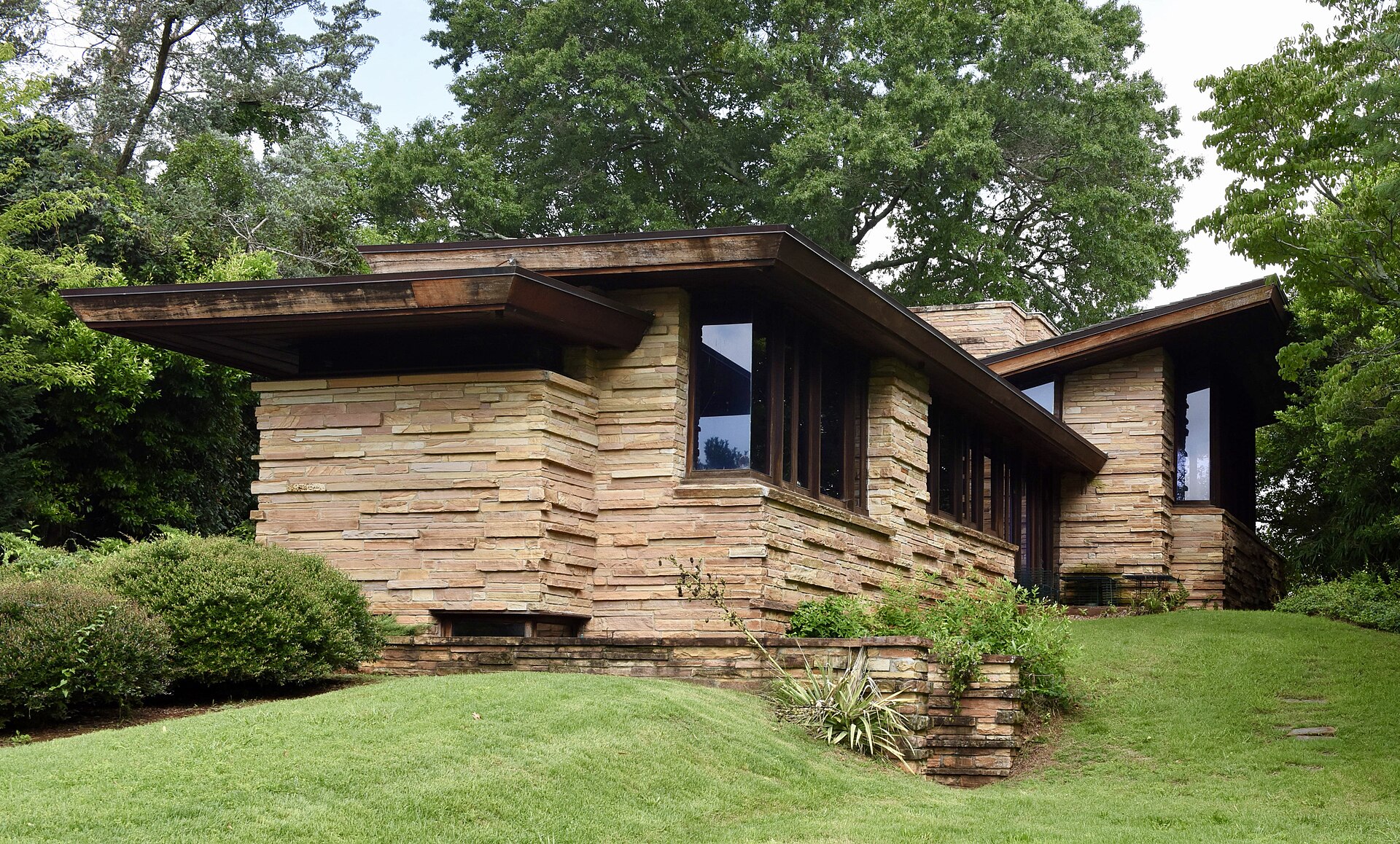
    arts and crafts brick fireplace with tile accents

    A fireplace is more than a source of warmth—it is often the centerpiece of a living room, a space around which families gather and guests are welcomed. The design choices surrounding a fireplace can dramatically influence the overall aesthetic of a home, and one of the most impactful decisions is selecting the right fireplace tiles. The tiles you choose can complement your home style, enhance visual appeal, and provide long-lasting durability. This guide explores how to choose the perfect fireplace tile to match your home style while maintaining functionality and timeless design.

    Understanding the Role of Fireplace Tiles

    Fireplace tiles serve both an aesthetic and functional purpose. Visually, they frame the hearth, set the tone for the room, and can make a striking design statement. Functionally, tiles protect the surrounding area from heat and fire-related damage while offering a surface that is easy to maintain. Choosing tiles that align with your overall décor ensures the fireplace blends seamlessly into your living space rather than standing out awkwardly. The combination of style, durability, and practicality makes tiles an essential element in fireplace design.

    Beyond aesthetics and function, fireplace tiles create a sense of harmony in a room. Their colors, patterns, and textures can complement walls, flooring, and furniture, tying the entire space together. They also offer versatility, allowing homeowners to update a room’s look without a full renovation. A well-chosen tile can make a fireplace the visual anchor of a room, creating warmth and inviting ambiance, both physically and stylistically.

    Assessing Your Home Style

    Before selecting fireplace tiles, it is crucial to consider the style of your home. Different architectural and interior styles require different tile designs to maintain cohesion.

    • Modern/Minimalist: Sleek surfaces, neutral tones, and clean lines define this style. Large-format tiles with minimal grout lines and subtle textures work best, providing a polished and uncluttered look.
    • Traditional/Classical: Ornate patterns, marble, or intricately designed ceramic tiles suit classic homes. Warm neutrals like beige, taupe, or soft gray maintain an elegant, timeless feel.
    • Rustic/Cottage: Stone, slate, and earthy-colored tiles enhance a cozy, nature-inspired vibe. Textured tiles can create a handcrafted aesthetic that complements wooden beams or vintage furniture.
    • Eclectic/Bohemian: Vibrant colors, patterned tiles, and mixed textures reflect a free-spirited design. Combining multiple tile types or mosaics can produce a unique, personalized fireplace centerpiece.
    • Industrial/Contemporary: Concrete-look tiles, metallic accents, and matte finishes support a sleek, urban aesthetic. Simple geometric layouts or bold accent tiles create visual interest while maintaining a modern edge.

    Matching the tile to your home style ensures that the fireplace enhances rather than clashes with your existing décor, creating a cohesive and balanced environment.

    Choosing the Right Tile Material

    The material of fireplace tiles affects both their appearance and performance. Each material has its own benefits and is better suited to certain styles and practical needs:

    • Ceramic Tiles: Affordable, versatile, and available in countless colors and patterns, ceramic tiles are ideal for homeowners seeking style flexibility without breaking the budget. They are durable and heat-resistant, making them suitable for frequent use.
    • Porcelain Tiles: More durable than ceramic, porcelain resists heat, moisture, and staining. Its sleek appearance works well in modern or minimalist homes, and it comes in both glossy and matte finishes.
    • Natural Stone Tiles: Marble, travertine, and slate bring natural beauty and texture to a fireplace. Their variations in color and pattern add depth, making the fireplace a striking focal point. Stone tiles are excellent for rustic, traditional, or luxurious designs.
    • Glass Tiles: Reflective and modern, glass tiles capture the glow of the fire, enhancing ambiance. They are easy to clean and pair beautifully with contemporary décor.
    • Textured Tiles: Textured or embossed tiles add dimension and tactile interest, making the fireplace visually engaging. They are particularly effective in creating warmth and depth in traditional or eclectic spaces.

    The combination of material and style is essential to achieving a fireplace that balances aesthetics with functionality, creating a lasting impression for years to come.

    Selecting Colors and Patterns

    Color and pattern influence the mood of a room and the visual impact of the fireplace. Choosing hues that reflect your style and complement your home’s palette is critical:

    • Warm Neutrals: Creams, beiges, and browns provide a timeless, cozy feel that suits nearly any home style. Neutral tiles can also serve as a backdrop for seasonal décor or accent pieces.
    • Deep, Rich Colors: Burgundy, navy, or charcoal tiles create a snug, luxurious ambiance, perfect for living spaces designed for comfort and relaxation.
    • Patterned Tiles: Herringbone, mosaic, or geometric patterns introduce visual complexity and personality. They are ideal for eclectic, contemporary, or artistic homes where the fireplace is a statement piece.
    • Layered Textures: Mixing smooth and textured tiles adds depth and dimension, enhancing warmth and making the fireplace a visual focal point.

    Selecting the right colors and patterns ensures the fireplace resonates with the room’s mood and complements the overall home style.

    Practical Considerations

    While style is important, practical considerations cannot be overlooked:

    • Size and Scale: Large-format tiles suit bigger fireplaces and create a clean, modern look, while smaller tiles or mosaics can work well for compact hearths or intricate designs.
    • Heat Resistance: Ensure that the chosen material can withstand regular exposure to heat without cracking or discoloring.
    • Maintenance: Some materials, such as natural stone, require sealing and routine cleaning, while porcelain or ceramic is relatively low-maintenance. Consider the level of care you are willing to commit to.
    • Budget: Factor in not only the cost of the tiles themselves but also installation, maintenance, and potential long-term upgrades.

    Balancing these practical aspects with style considerations ensures a fireplace that is both beautiful and functional.

    Installation Tips

    Proper installation enhances safety, durability, and visual appeal. Homeowners should decide whether to attempt a DIY approach or hire a professional installer. Professionals ensure the correct use of heat-resistant adhesives, appropriate grout spacing, and secure placement, which is especially critical for natural stone or glass tiles.

    Attention to detail during installation—including alignment with the mantel, consistent grout lines, and proper sealing—contributes to a finished fireplace that looks polished and lasts for years. Improper installation can compromise both the aesthetic and safety of the fireplace, so careful planning is essential.

    Styling and Accessorizing Around the Tiles

    Fireplace tiles form the backdrop for additional design elements that enhance the room’s warmth and cohesion:

    • Mantel Design: Complement the tile with wood, stone, or metal mantels that coordinate with the fireplace style.
    • Wall and Furniture Coordination: Choose paint, wall treatments, and furnishings that highlight or contrast with the tile, creating balance and depth.
    • Seasonal Décor and Accents: Candles, throws, and decorative objects can emphasize the warmth and personality of the fireplace area.

    By thoughtfully pairing tiles with complementary décor, the fireplace becomes a true centerpiece that elevates the room’s style and ambiance.

    Conclusion

    Choosing the perfect fireplace tile requires balancing style, material, color, and practical considerations. Whether your home features modern minimalism, rustic charm, or eclectic flair, selecting the right tile can enhance both aesthetics and functionality. From the material’s durability to its color, texture, and pattern, every choice contributes to a fireplace that is visually striking, cohesive with your home style, and built to withstand daily use. Thoughtful selection and careful installation ensure that your fireplace remains a central, inviting feature of your home for years to come.

    partnered post / image by Midjourney

  • Self-Care Sanctuary: Tips for Creating Your Own Spa at Home

    Key Takeaways:

    • Having a self-care sanctuary can help you relax and improve your overall wellbeing
    • Choose spa products that make you feel good, set up a relaxing atmosphere and incorporate some stress-relieving activities
    • Take the time to create a space that is uniquely yours and embrace the opportunity to experience true relaxation

    Do you ever feel it’s impossible to find a place entirely of your own where all of life's worries melt away? Now you can create the perfect spa-like sanctuary without leaving your home.

    Creating a self-care space and dedicating time for yourself is important as it helps to reduce stress and improve your overall well-being. With simple tips, anyone can turn their home into a relaxing sanctuary.

    This blog post will help you create your own spa at home, from choosing the perfect products to incorporating stress-relieving activities.

    Relax331d

    Choosing The Right Spa Products

    Choosing the right spa products is essential to creating your perfect sanctuary. Here are some things to consider when selecting the right products for you:

    • Choose natural, organic products whenever possible – this will help ensure that you use gentle, non-toxic ingredients on your skin and in your environment to promote relaxation and overall health.
    • Consider each product's scent – aromatherapy is a great way to set the mood for a relaxing atmosphere.
    • Look for natural or herbal ingredients – these products are often more effective than their chemical counterparts and can be used for various treatments.

    Setting Up A Relaxing Atmosphere

    Once you have your spa products, it’s time to set up a relaxing atmosphere. Here are some tips for creating the perfect environment:

    • Dim the lights and add soft, ambient lighting, making the room feel peaceful and inviting.
    • Place some scented candles around the room.
    • Use essential oils to help you relax and unwind.
    • Incorporate inviting textures such as soft blankets, comfy pillows or even a cozy throw rug – this will make your sanctuary feel like an oasis of comfort.

    Incorporating Stress-Relieving Activities

    Now that you’ve set up the perfect atmosphere, it’s time to incorporate some activities into your self-care routine. Here are some ideas to help you relax and unwind:

    • Take a warm bath or shower – this can be especially helpful if you feel stressed or overwhelmed.
    • Practice mindfulness and yoga – both can reduce stress, calm the mind and body, and helping you find a sense of inner peace.
    • Meditate can help focus your attention on the present moment, allowing you to be more aware of your thoughts and feelings.

    Enjoying Total Relaxation And Wellbeing

    Now that you know how to create your own self-care sanctuary at home, it’s time to enjoy total relaxation and well-being. Here are some additional tips to help you make the most of your sanctuary:

    Set Aside Time Each Day To Enjoy Your Sanctuary

    It is important to make time for yourself each day, even if it is just for a few minutes. Setting aside time specifically for relaxation and self-care can help you take advantage of all the benefits your spa sanctuary has to offer.

    Allow Yourself To Relax And Unwind Without Any Distractions

    Once you’ve set aside some time for yourself, make sure to turn off all electronics and any other distractions that may interfere with your relaxation. Be it your phone, laptop or TV – just allow yourself to relax without the constant notifications and alerts.

    Don’t Be Afraid To Try New Things

    Additionally, don’t be afraid to experiment with different relaxation techniques and activities. For example, you can try guided meditations, soothing music or even aromatherapy. You never know which one might work best for you.

    Let Go Of Any Expectations

    Finally, don’t be too hard on yourself. It’s important to remember that everyone has different ways of relaxing and winding down. Just let go of any expectations and allow yourself to enjoy whatever comes your way.

    Pro Tip: Don't put too much pressure on yourself, which can lead to stress and frustration.

    Transform your bathroom with a stylish and practical shower cabin from Posh. Our shower cabins are a great solution for anyone looking to upgrade their bathroom without needing major renovations or dealing with the mess of old shower removal.

    With nothing to install behind the wall and no need for tiling or decoration, our freestanding shower cabins are easy to install and can be up and running quickly.

    Browse our selection today and enjoy the ultimate convenience and comfort with a high-quality shower cabin from Posh!

    Frequently Asked Questions

    Is It Fine To Listen To Podcasts In A Relaxation Sanctuary?

    Listening to podcasts might defeat the purpose of having a relaxation sanctuary if you use it to wind down and de-stress. However, if the content of a podcast is calming and soothing, it could be beneficial for your self-care routine. It's all up to what helps you relax and unwind.

    Is There Any Alternative To Essential Oils?

    You can also use scented candles to add a calming scent to your home. They come in various aromas and can be used to set the perfect atmosphere for relaxation. Make sure to choose unscented candles if you are sensitive to smells.

    Conclusion

    Now that you know how to create your own self-care sanctuary in the comfort of your own home, it’s time to start enjoying total relaxation and well-being.

    Remember to set aside time each day for yourself, turn off all distractions, experiment with new activities and don't be too hard on yourself. With a little creativity and dedication, you can create a safe and peaceful space to relax and unwind.

    partnered • images by midjourney

  • Common Tree Problems And How to Address Them: A Guide for Homeowners

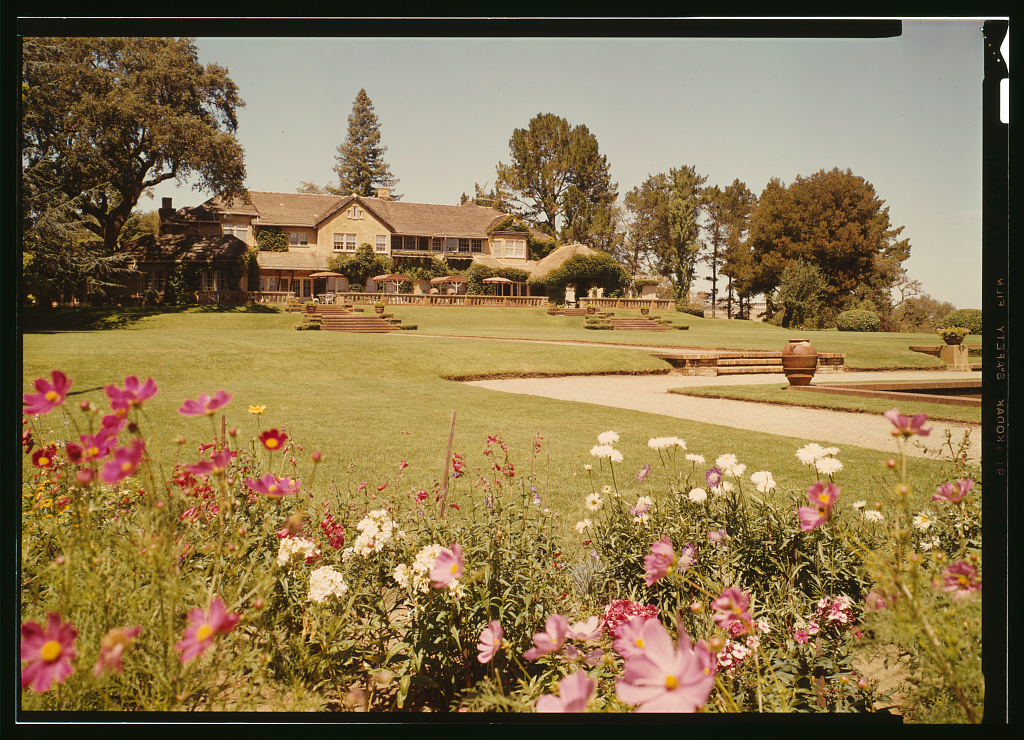
    old home with beautiful trees

    Trees are not only beautiful additions to our landscapes, but also vital for our environment. They provide shade, oxygen and serve as habitats for various creatures. However, like any living organism, trees can face numerous issues that may compromise their health, longevity and appearance. As a homeowner, it’s essential to be aware of these common tree problems and how to address them effectively.

    Poor Soil Conditions

    One of the primary factors affecting a tree’s health is the condition of the soil in which it’s planted. Compacted soil, lack of nutrients or improper drainage can hinder a tree’s growth and make it susceptible to diseases and pests. To address this issue, consider aerating the soil around the tree’s roots to improve air and water circulation. Adding organic mulch can also enrich the soil with essential nutrients and regulate moisture levels.

    Disease

    Trees are susceptible to various diseases caused by fungi, bacteria and viruses. Common symptoms of tree diseases include discolored or wilting leaves, unusual growths on branches, and premature leaf drop. Proper diagnosis is crucial for effective treatment. Consult with a certified arborist to identify the specific disease affecting your tree. Follow their recommendations for treatment, which may include pruning infected branches, applying fungicides or improving overall tree health through fertilization.

    Pests

    Insects and other pests can wreak havoc on trees, causing damage to leaves, bark and even the tree’s internal structures. Some common tree pests include aphids, scales, borers and caterpillars. Regularly inspect your trees for signs of damage or unusual activity to address pest infestations. Treatment depends on the severity of the infestation. Options may include the use of insecticidal soaps, horticultural oils or biological controls such as beneficial insects that prey on pests.

    Improper Pruning

    Improper pruning can weaken a tree’s structure, leaving it vulnerable to diseases, pests and environmental stressors. To avoid such issues, it’s essential to prune trees correctly, following industry-standard practices. When pruning, focus on removing dead, diseased or crossing branches while preserving the tree’s natural shape and structural integrity. Consider hiring a professional tree service to do the job if you’re unsure about how to prune your trees properly.

    Root Girdling

    Root girdling occurs when tree roots grow in a circular pattern around the base of the tree, eventually constricting its trunk and inhibiting nutrient uptake. This can lead to stunted growth, wilting and eventual decline. To address root girdling, carefully excavate the soil around the base of the tree to expose the affected roots. Using a sharp tool, carefully sever the girdling roots while taking care not to damage the tree’s root system further. Afterward, ensure proper soil management practices to prevent root girdling from reoccurring.

    Environmental Stress

    Trees can experience stress due to various environmental factors such as drought, extreme temperatures, pollution and soil compaction. Provide your trees with proper care and maintenance to mitigate environmental stress. Ensure they receive adequate water during dry periods, especially newly planted or young trees. Mulching can help retain moisture and regulate soil temperature. Additionally, avoid compacting the soil around trees by minimizing foot traffic and heavy machinery in their vicinity.

    Storm Damage

    Severe weather events such as storms, high winds and heavy snow can cause significant damage to trees, including broken branches, uprooting and trunk splitting. Promptly assess the extent of the damage and take appropriate action to mitigate further harm. Prune broken or damaged branches to prevent them from becoming entry points for diseases or pests. For larger structural damage, consult with a professional arborist to determine the best course of action, which may include tree removal or other tree service services for structural support.

    Trees are valuable assets to our homes and communities, but they require proper care and attention to thrive. Homeowners can ensure the health and longevity of their trees for years to come by staying vigilant for common tree problems and addressing them promptly. Remember, when in doubt, always seek guidance from certified arborists or tree care professionals to ensure the best outcome for your trees and the environment.

    Author bio: Joel Wangle is a certified arborist and owner of Beaver Tree Service. His dad was the founder of Beaver Tree Service, and as the second-generation owner, Wangle has lived through and experienced the modernization of arboriculture in the Northwest. He brings a physics degree to his work, which gives him a better perspective on forces acting upon a tree. He seeks balance between risk and affection when planning a customer’s personalized tree service.

    Sources:

    partnered post • image by midjourney

  • Plumbing Tips for Farmhouse Owners

    modern kitchen in classic farmhouse

    Despite the rise of modern apartments in major cities, many people still love farmhouses or gardens.

    Remember that if you also want to buy one of these beautiful countryside houses, you have to pay attention to many things. In fact, buying a farmhouse is kind of different from purchasing an apartment.

    Apart from the size, age, design, and material, you have to pay special attention to the plumbing system.

    In this article, we’re going to let you know some plumbing tips to help you decide better when it comes to buying a farmhouse.

    Never leave the hoses connected

    Avoid leaving hoses connected to your faucets in the cold. In cold weather, the water inside them will freeze, and the pressure from the ice may cause your pipes to fracture. All of your faucet hoses should be removed and stored until you need them again.

    Never leave fixing the leaks for winter

    The most typical plumbing issue is leaking.

    An old farmhouse might indeed be a fantastic place to live, but the plumbing may start to leak over time. Even a small trickle of a leak can result in a significant amount of money being lost, but over time, even a small leak has the potential to grow into a significant issue.

    You should understand that if you don’t solve the drips and other difficulties you’re having immediately away, there may be a plumbing issue. A reputable plumber, such as R and Z Plumbing, should be contacted to handle the problems.

    Over the winter, this condition will deteriorate severely. Try to fix these problems before the temperatures drop. Remember that fixing plumbing problems in the cold is far more difficult.

    Old shower diverter valves can fail, too, causing irritating leaks that can only be fixed with a – luckily easy-to-perform – new valve and a quick repair.

    Don’t forget to insulate the pipes outside of the house

    Frequently, protecting your pipelines requires more than merely opening the valves. Tape insulation over your pipes to prevent them from freezing. Additionally, insulation helps reduce the cost of heating throughout the long winters.

    Cold air can get into your plumbing system through the windows and doors of your open areas. The majority of individuals neglect these regions despite the potential harm they may do.

    Your pipes may freeze if the cold weather in Toronto enters through basement windows and garage doors. In addition to pipe insulation, you might also want to consider sealing these locations’ apertures.

    Consider using a heating cable

    The greatest choice for a more technological approach is to employ a heated wire. Heating cables are sometimes referred to as heating tapes for pipelines or trace heaters.

    These cables can be used for various purposes, including trace heating, antifreeze, viscosity control, roof and gutter maintenance, etc.

    In fact, it features a built-in thermostat that can control the heat source’s on/off status and gauge the pipe’s temperature. This significantly lowers the chance of freezing.

    Build a farmhouse bathroom

    You need a claw-foot bathtub if you want your bathroom to have a true farmhouse feel. Claw-foot bathtubs may be purchased brand-new, or as an alternative, you can locate reclaimed bathtubs that have been restored for use during a renovation job.

    Every time you use stylish or contemporary features, you want to have the contrast of recycled or repurposed dark wood. Have a beautiful light fixture installed over the bathtub by an electrician so that you may bathe in decent illumination.

    Think of an efficient heating system

    Heat loss from radiators may be drastically decreased by moving them out of their customary location under windows. Also, avoid covering radiators with curtains due to losing up to 70% of the radiator’s actual heat output.

    A simple and practical solution is to move the thermostat to the main living room or get a wireless thermostat that can be placed wherever.

    The entry hall usually has thermostats, which makes the boiler run longer because it’s frequently the coldest place in the home.

    Think of a modern garden irrigation system

    To ensure that you won’t run into problems in the future, you must first design and install a contemporary plumbing system in your yard.

    You cannot anticipate effective and timely irrigation without employing cutting-edge facilities. Remember that while installing such a system may initially be expensive, your water bill will eventually compensate for it.

    More significantly, you cannot accomplish this on your own. To avoid issues like leaky and frozen pipes in the winter, attempt to call a professional plumbing company.

    Final words

    It’s highly unlikely that you can find a modernized farmhouse, so you’ll probably have to do a renovation project. Of course, the plumbing system is central to every renovation project. Try to go for energy-efficient facilities as much as your budget lets you. Don’t forget a regular maintenance checkup, as it will reduce your repair cost in the future.

    partnered post

  • Book Review: Gardens of the Arts and Crafts Movement

    Picture_1
    Judith B. Tankard, Gardens of the Arts and Crafts Movement, Harry N. Abrams, Inc., Publishers, 2004.

    This handsomely produced volume takes us through the theory and practice of the Arts and Crafts Garden from the era of William Morris up to the present in pictures, photographs, garden plans, and text.

    For those familiar with the house and home aspects of the English Arts and Crafts movement, Tankard’s book will be a delight, and an education. Gardens, like buildings and furnishings, were a venue for reform and innovation, an opportunity to express integrity and beauty, and a chance to move beyond the artificiality of the dominant Victorian paradigm. For garden design, this meant rejecting Victorian orderliness and ostentation in favor of naturalism and informality. While certainly not “simple” gardens – Tankard’s illustrations portray wonderfully green lawns, orderly hedges, topiary, rustic steps and garden pools and fountains, along with roses and, typically, local flowers – the overall effect is an inviting one of comfort and ease rather than grandeur.

    Garden design evoked considerable discussion during the height of the Arts and Crafts period, especially given the fact that the famous architects of the day (C. F. A. Vosey, M. H. Baillie Scott) viewed house and garden as a unified whole. As Tankard says, the Arts and Crafts movement “gave gardens a new definition as a harmonious component of the house. Gardens … were never an end in themselves, but were intertwined with the house like ivy growing on a wall, blurring the distinctions between indoors and outdoors.”

    Tankard’s volume focuses on the homes and gardens of England, with modest attention given to the United States (and none at all to other countries). This I think is appropriate given England’s preeminent gardens and landscapes. The reader is given an extensive tour of over a hundred gardens, with full commentary on their design as well as the garden philosophy of their architects.  The contributions of Gertrude Jekyll and Thomas Mawson, the most distinguished landscape architects of the era, are given especial attention, and an entire chapter is devoted to the renowned English gardens created by the collaboration of the architect Edwin Lutyens and Jekyll.

  • book review: William Morris and the Arts and Crafts Home

    Morrisbookcoverdad
    Pamela Todd, William Morris and the Arts and Crafts Home, photographs by Chris Tubbs, Chronicle Books, 2005

    Pamela Todd and Chris Tubbs have compiled a welcome overview of the life, the philosophy, the works, and the influence of William Morris, the English 19th century polymath who is universally considered the father of the Arts and Crafts style. Morris (1834-1896), best known as a designer of floral textiles and wallpapers, promoted an arts and crafts aesthetic even before the appellation was invented, opening his London shop 1861 to sell hand crafted furniture, stained glass, and miscellaneous decorative products to the modestly avant guarde consumers of the period, upper middle-class consumers disgusted with mass produced products and Victorian excess. In the years that followed he and a range of talented associates pioneered new design principles that powerfully influenced English, and later American, architecture and interior furnishings.

    This book focuses on the Arts and Crafts home, devoting text and pictures first to the homes Morris himself lived in (Red House in Kent and Kelmscott Manor in the Cotswolds) and then presenting six “case studies” of Morris principles applied to a manor house, a country house, a town house, a mansion, a farm house, and a late-Victorian terraced home.

    All of these homes, handsomely photographed, share Morris’ distinctive style – handmade crafts; natural colors; a tendency toward the gothic; furniture that, by the standards of the period at least, were simply designed; painted and papered walls; richly floral rugs.

    While a bit elaborate for American Arts and Crafts sensibilities – here the style associates more with middle class bungalows, wood shingles, paneled walls, and Stickleyesque furniture – Morris’ principles set the tone for design conscious homeowners then, and now. His legacy – homes and furnishings that are simple, solid, beautiful, and functional – carries on.

  • book review: Building with Nature: Inspiration for the Arts & Crafts Home

    Buildingwithnaturesmall
    Leslie M. Freudenheim, Building with Nature: Inspiration for the Arts and Crafts Home, Gibbs Smith, 2005.

    Leslie M. Freudenheim’s Building with Nature: Inspiration for the Arts and Crafts Home, is a reworking of her earlier (1974) Building with Nature, Roots of the San Francisco Bay Region Tradition, written with Elizabeth Sussman. Her new book has two objectives – one descriptive, one argumentative.  Freudenheim, first, presents a thorough overview of the first three decades (1880-1910) of the California Arts and Crafts movement, especially in terms of its architecture. Second, she argues a thesis – that the Reverend Joseph Worcester, known best as the leader and first minister of San Francisco’s famous Swendenborgian church, was the central instigator, advocate, and proponent of the movement.

    The book excels as a general introduction to the Bay Area’s pioneering Arts and Crafts community – its practitioners, its theory, its practice, and its influence.  With an engaging and conversational tone, Freudenheim traces the work and interactions of the movement’s founders – Bernard Maybeck, Ernest Coxhead, Willis Polk, John Hudson Thomas, John  Galen Howard, and others who created the Craftsman aesthetic – simple structures, unpainted shingles, wood interiors with furniture built in, overhanging eves, and (relative) affordability. The text is wonderfully supplemented with sepia photographs.

    The less successful element of Freudenheim’s book is her thesis giving Joseph Worcester central position as inventor of the Bay Area style. Speculating broadly from private correspondence and scrapbooks, she portrays Worcester not only as the most influential advocate and disseminator of the arts and crafts philosophy but also as the hidden intelligence behind much of its noteworthy architecture.

    The 1976 Piedmont bungalow Worcester designed for himself,  for example, she anoints as the Ur-cottage, the shingled bungalow prototype for all that was to come. His rustic cottage, she posits, so impressed his young neighbor, Bernard Maybeck, that Maybeck emulated its principles in his own Berkeley buildings. The Worcester designed homes on San Francisco’s Russian Hill, build some 10 years later, brought Arts and Crafts across the Bay, establishing a model that then spread through California, and beyond.

    Similarly, she credits Worcester with inspiring the famous “mission” styled chair built for the Swendenborgian church, and with working behind the scenes to bring John Galen Howard to Berkeley as campus architect. According to Freudenheim, Worcester felt that Howard was likely to be far more sympathetic to the Arts and Crafts orientation than the Beaux Arts architect who actually prevailed in Phoebe Apperson Hearst’s famous campus design competition of 1899. “Worcester engineered Howard’s selection,” she writes, implying that he also powerfully influenced Howard’s own plans for campus buildings.

    As history, Freudenheim’s speculations concerning Worcester’s preeminence rarely rise beyond the level of conjecture, and Freudenheim does hedge her thesis with myriad “we can speculate’s,”  “it is likely’s,” and “perhaps’s.”  While her hypothesis remains shaky, the book as a whole provides a refreshing retelling of Bay Area architectural history, and the valuable contributions of one of its lesser-known participants.

  • book review: Beyond the Bungalow

    Bookicon_3

    Beyond the Bungalow: Grand Homes in the Arts and Crafts Tradition, Gibbs Smith, 2005.      

    Paul Duchscherer’s latest foray into bungalowbilia doesn’t really deal with bungalows at all.  His Beyond the Bungalow (brightly photographed by Linda Svendsen), on the heels of his earlier The Bungalow (1995), Inside the Bungalow  (1997), and Outside the Bungalow (1999), examines, as its subtitle explains, grand homes in the Arts and Crafts tradition. An effort at nomenclature as well as explanation, this latest volume classifies and describes those larger-than-bungalow homes that share, in their design principles and philosophy, at least a family resemblance to the, if you will, basic bungalow.

    While some might question denying big homes the bungalow rubric (Duchscherer recognizes the problem given the majestic Greene and Greene "ultimate bungalows"), he makes a strong case for recognizing separately the relevance and beauty of those two and three-story large footprint houses of the 1900-1930 era that so impressively remind us of the best of American pre-Depression residential architecture. His typology of the big home is fourpart – The American Foursquare, The Rustic Home, Craftsman (which he describes as classic Arts and Crafts), and Craftsman Crossovers, with its own nine subcategories: Swiss Chalet, Oriental Style, Prairie, Shingle, Colonial Revival, Mission, Spanish Colonial Revival, Tudor Revival, and English Cottage Style. Each type is described generically and illustrated with exemplar cases.

    The book, certainly a handsome volume, is saddled with an unfortunately undersized type, and a rather abrupt ending. A useful list of open-to-the public historic homes is appended.

  • book review: Bungalow Plans

    Bookicon_1Christian and Christen Gladu, Bungalow Plans, Gibbs Smith, Salt Lake City, 2002.

    The second coming of the arts and crafts movement brings with it a revival of many of the aspects of original era. In Bungalow Plans, Gladu and Gladu continue the tradition of disseminating house plans originally promoted by pioneers like  Gustav Stickley who, through magazines and catalogs, offered the broad middle class architectural drawings – plans of simple, affordable, well designed homes – that incorporated the Arts and Crafts ideals of John Ruskin and William Morris.

    The Gladus offer 25 bungalow plans in their book, each accompanied by photographs, text, and information on designers and builders. Their aim is not only to show different kinds of  homes – everything from 600 square foot garlows (not yet in my on-line dictionary, but apparently garage and other "accessory" units) to 4000 square foot "ultimate" bungalows – but to provide practical advice on adapting stock  plans to modern, especially environmental, concerns. Introductory chapters put the plan book approach in historical perspective and offer useful context on "bungalow anatomy" and building costs. A section on resources concludes the volume.

  • book review: Textiles of the Arts & Crafts Movement

    BookiconLinda Parry, Textiles of the Arts & Crafts Movement, new edition, Thames and Hudson, 2005.

    Parry, a Deputy Keeper at the Victoria and Albert Museum in London, completed the original version of this book to commemorate the centenary of the Arts and Crafts Exhibition Society, the organization that from its founding in1888 to 1916 provided the primary British venue for showcasing the range of the new decorative art – furniture, rugs, metalwork, textiles – that so influenced the fashion, furnishings and architecture of the era. The Society not only gave us the term – "arts and crafts" – that has come to encapsulate the movement, it provided respectability to an alternative art and design form built upon craft, modest studio and workshop production, and sympathetic retailers, an art form that enjoyed broad public success then, and now, in  revival for the past 30 years.

    Parry’s focus on textiles shown in the Exhibition Society shows limits her survey of course, not only by geography (the exhibitors were all British), but by period. While she provides an introductory chapter on arts and crafts principles and reviews the work of early practitioners including William Morris, the major contribution of the book, and what gives it its uniqueness, is the detailed and comprehensive description of the exhibited textiles in terms of design, materials, production, technology, and sales. Parry’s thesis, so far as there is one, is that the exhibitions, by giving extensive space and attention to textiles, provided a new legitimacy for the medium, moving it, along with the other decorative arts, toward greater parity with painting and sculpture.

    This book, one of a recent spate of specialized volumes on textiles, is  probably more for the specialist than the general interested reader. While the text is on the clunky side, the book’s extensive color illustrations of rugs, wallpapers, woven and printed fabrics, lace, and clothing are wonderful. Parry also provides a useful directory of textile designers, craftsmen, manufacturers and retailers.