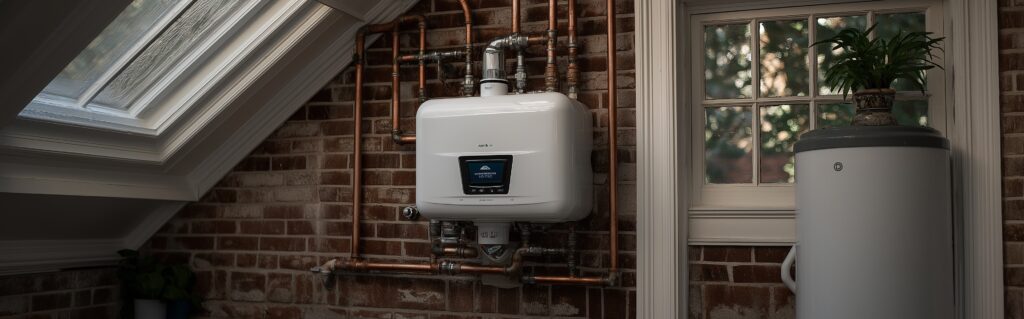
Mineral buildup in plumbing and appliances creates resistance that reduces efficiency over time. Hard water accelerates this process, while water softeners help prevent it. By reducing strain, appliances operate more efficiently and maintain more stable internal conditions. Here’s how water softeners improve appliance lifespan and performance:
Reduced Scale Buildup
Softer water reduces mineral deposits that commonly accumulate inside household appliances. Mineral scale can interfere with moving parts, eventually hindering smooth operation. When internal components face fewer obstructions, appliances tend to operate more consistently over time. Cleaner internal surfaces also reduce the likelihood of unexpected maintenance caused by heavy buildup.
Better Heating Performance
Heating components operate more efficiently when mineral coatings are removed because nothing is left to insulate or obstruct their surfaces. Without this layer of scale, heat transfers directly into the water, allowing it to reach the desired temperature more quickly and with less energy. Heating systems function more predictably, since their internal components remain in consistent, unobstructed thermal contact.
Scale-free surfaces also help prevent temperature fluctuations that can occur during repeated heating cycles, particularly when buildup acts as an uneven barrier. By reducing mineral interference to very low levels, water softeners limit the efficiency losses that typically develop in hard-water environments. Over time, these improvements can support better heating performance, lower energy demands, and even contribute to a longer service life for water-heating equipment.
Lower Energy Consumption
Softened water allows appliances to use less total power during their regular cycles because the absence of hard-water minerals reduces internal resistance. In hard water, mineral deposits can restrict water flow or impede moving parts, and this added resistance forces motors and heating elements to work harder. When those strains are removed, appliances are able to operate closer to the efficiency levels they were originally designed to achieve.
Reduced mineral buildup also helps keep appliances in a more stable operating condition, which can contribute to more consistent energy consumption over time. Because components face fewer repeated stresses from scale buildup, long-term mechanical wear may decline, and performance is less likely to degrade unexpectedly. These effects result in lower operational strain and more reliable appliance performance.
Long Component Life
Internal parts can last longer because abrasive minerals are no longer present to react with or wear down sensitive components. Pumps, seals, and valves operate more smoothly and efficiently, as softened water greatly reduces friction inside the system. With this decrease in internal stress, appliances are less likely to experience unexpected service interruptions or premature part failures. As these parts maintain their condition over extended periods, the overall system benefits from steadier performance and fewer repairs. Such gains in durability can extend the appliance’s total life cycle and, in many cases, reduce the need for early replacements.
Get Water Softeners for Your Home
Softened water creates a less demanding operating environment, which can help appliances run more steadily. When mineral interruptions are minimized, heating and cleaning processes may function more consistently. Lower mineral exposure also lessens wear on internal components, allowing some systems to operate for longer periods between service needs. These improvements may lead to more predictable daily performance. If you want to lessen the impact of hard water on your household equipment, find a reputable water softener supplier today.
partnered post