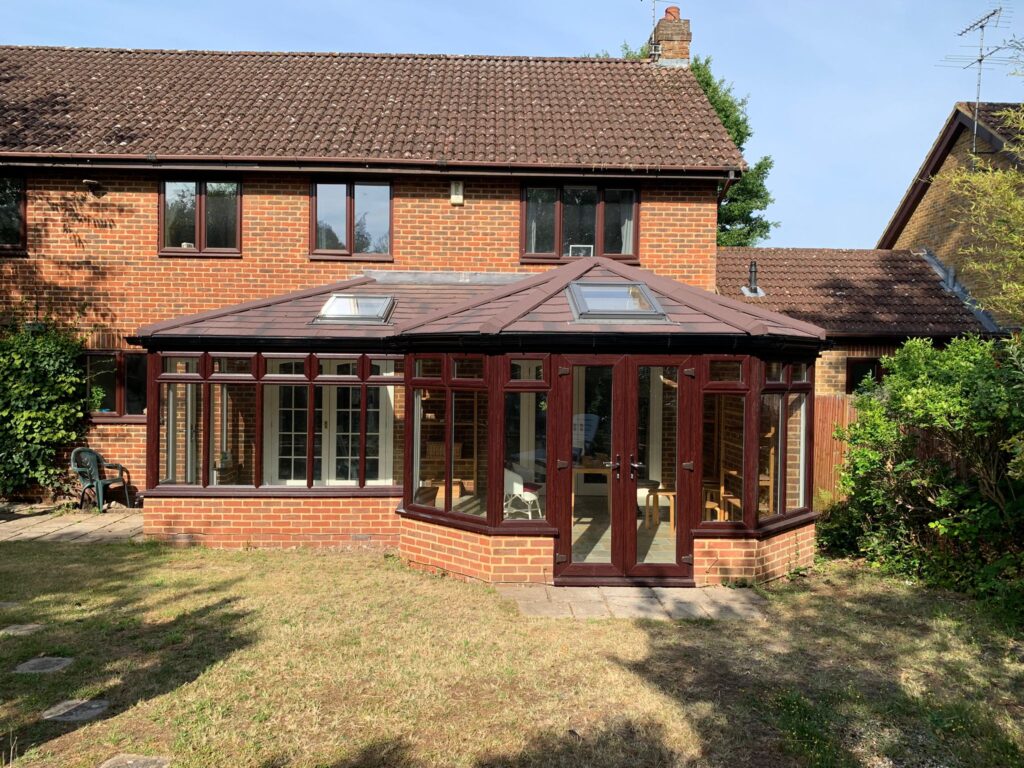
If you’re asking “can you put a solid roof on a conservatory”, the short answer is usually yes—and for many homeowners it’s one of the most effective ways to turn an underused conservatory into a comfortable, year-round room.
Older conservatories with glass or polycarbonate roofs often suffer from the same three issues: they’re too hot in summer, too cold in winter, and loud when it rains. A solid (often insulated) replacement roof is designed to fix exactly that by improving thermal performance, reducing glare, and making the space feel more like a true extension of your home. K&S Bespoke Builds describes it as an upgrade that “adds proper insulation, reduces glare and turns your conservatory into a comfortable, year round living space.”
Below, we’ll cover what you can expect in terms of benefits, costs, and the practical steps—like permissions and choosing the right company—so you can plan your project with confidence.
Benefits of a Solid Conservatory Roof
A more usable room, all year round
The biggest benefit is simple: you can actually use the space more often. A well-insulated solid roof helps keep heat in during winter and reduces overheating in summer—meaning the conservatory becomes a genuine living area rather than a “fair-weather” room.
K&S Bespoke Builds highlights that replacing your conservatory roof can transform it into a “bright, comfortable, and fully usable space 365 days a year.”
Lower energy bills
When a conservatory is poorly insulated, it can act like a temperature “leak” off the back of your home—pulling warmth out in winter and forcing you to spend more to stay comfortable.
K&S Bespoke Builds claims homeowners can see up to 35% cheaper heating bills after upgrading to a solid replacement roof. (Actual savings vary based on your home, heating habits, and the existing roof.)
Quieter when it rains
If you’ve ever tried to watch TV or take a call in a conservatory during heavy rain, you’ll understand why noise reduction is such a big deal. An insulated solid roof can dramatically reduce that “drumming” effect.
K&S Bespoke Builds points to up to 80% noise reduction with a replacement roof.
Improved look and a more “extension-like” feel
A solid roof tends to make the room feel more integrated with the rest of the house. Depending on the finish you choose, it can look contemporary and sleek—or more traditional and in keeping with your existing property.
As K&S puts it: “From classic insulated roofs to modern contemporary finishes, you’ll have options to make the space both comfortable and stylish.”
Potential uplift in home value
While exact value increases depend on your area and property, a conservatory that’s genuinely usable can be more attractive to buyers than one that’s visibly seasonal. K&S Bespoke Builds notes that a “well-designed roof enhances your home’s overall value,” improving the return on investment when you sell.
Cost of a Solid Conservatory Roof
The cost of a solid conservatory roof replacement varies widely, mainly depending on:
- Size and shape (lean-to vs. Victorian/Edwardian styles, complex angles, etc.)
- Roof system and insulation spec
- Internal finish (plastered ceiling, downlights, roof windows, etc.)
- Condition of the existing frames and structure
- Access and installation complexity
Rather than focusing on a single “average” figure, it’s more helpful to approach it as a range influenced by specification. As a guide, many UK homeowners find that small-to-medium conservatory roof replacements typically sit in the mid four figures to low five figures once you include materials, labour, finishes, and any electrical work (e.g., lighting).
A reputable installer should survey your conservatory and explain what’s included—especially the insulation performance, ventilation approach, and how the new roof will integrate with your existing frames.
Planning Permission for a Solid Conservatory Roof
In many cases, replacing an existing conservatory roof doesn’t require planning permission—especially if you’re not altering the conservatory’s footprint or height. However, there are important exceptions.
You may need extra checks if:
- You live in a listed building
- Your home is in a conservation area
- The roof change significantly affects appearance or height
- Previous permissions placed restrictions on the conservatory
Even where planning permission isn’t required, you may still need to comply with Building Regulations, because changing to a heavier, insulated roof can affect structural load, thermal performance, and ventilation.
A good installer will help you understand what approvals apply and how they’ll be handled as part of the project.
Required Steps to Replace a Conservatory Roof With a Solid Roof
1) Confirm your conservatory is suitable
Most conservatories can be upgraded, but suitability depends on the condition and strength of existing frames and the overall structure. Your installer should assess:
- Frame integrity and alignment
- Base walls and any signs of movement
- Whether additional structural support is required
K&S Bespoke Builds explains that they “carefully check the roof, identify what’s affecting comfort and performance, and guide you toward a replacement that fits your needs and style.”
2) Choose the right roof type and finish
“Solid roof” can mean different systems. Common choices include lightweight insulated panel systems, tiled-effect finishes, and roofs that incorporate roof lights to keep the room bright.
Your choices here affect cost, appearance, and daylight levels—so it’s worth discussing how you use the room (office, dining area, playroom, lounge) and what “comfortable” means for you.
3) Check planning and Building Regulations early
Before work starts, clarify:
- Do you need planning permission (or confirmation you don’t)?
- Will Building Regulations apply, and who is managing sign-off?
- Will any electrics (lighting) require certification?
Getting this clear early prevents last-minute delays.
4) Get a detailed quote (and compare like-for-like)
When comparing installers, make sure quotes cover the same scope:
- Removal and disposal of the existing roof
- Insulation performance and materials
- External finish (tiles/panels)
- Internal ceiling finish (plasterboard/plaster, trims, painting)
- Any roof windows or lighting
- Guarantees and what’s included/excluded
K&S Bespoke Builds states their work includes strong guarantee backing (they reference a 10-year guarantee and also note that Warmer Room products come with a 25-year guarantee, depending on the system specified).
5) Find a reliable company you trust
A roof replacement is one of those projects where workmanship matters—both for comfort and for preventing issues like leaks or condensation.
Qualities to look for:
- Clear communication and a proper survey (not guesswork)
- Transparent scope and timeline
- Evidence of previous work and reviews
- Guarantees you can understand
- A team that explains options without pressure
6) Installation and aftercare
Roof replacement timelines can be relatively quick compared with traditional extension work, but duration depends on complexity and the internal finish. Ask about:
- How the site will be protected from weather during the swap
- Dust management (especially for plastering)
- Snagging and final checks
- What to do if you ever need support under guarantee
Final Thoughts
So—can you put a solid roof on a conservatory? In most cases, yes, and it can be a game-changing upgrade: better insulation, less noise, fewer extremes of temperature, and a room that feels like a proper part of your home.
If you want the best outcome, focus on three things: the right roof specification, clarity on permissions/compliance, and a reliable installer who surveys properly, explains your options, and backs their work with meaningful guarantees.
partnered post • partner images
