• When To Choose Quartz Over Granite

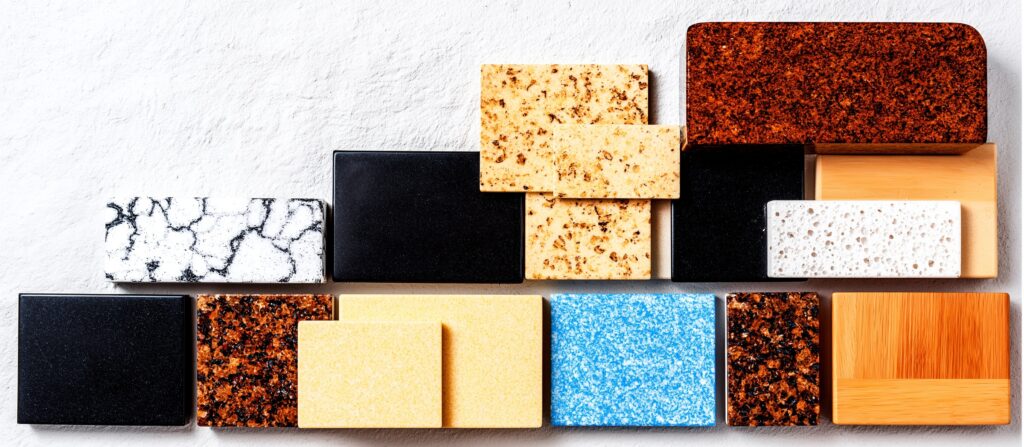
    selection of natural and artificial kitchen and bath countertop materials

    Granite is a natural stone valued for its distinctive patterns and traditional look. Quartz is an artificial material made from natural stone particles combined with resins, forming a surface that is impermeable, low-maintenance, and highly customisable. Their selection is based on factors such as design flexibility, durability, and care requirements. Here’s when to choose quartz countertop installation over granite:

    Choose for Durability

    Use quartz when installing a surface that is resistant to heavy use in kitchens or bathrooms. The material is non-porous, making it difficult for liquids to leak in. This prevents stains from substances such as wine, coffee, or oils. It also makes it simple to clean, as you wipe spills off the surface.

    Quartz countertop installation also inhibits bacterial growth, boosting cleanliness without additional chemical processes. It doesn’t require resealing after the initial sealing, unlike natural stone, which requires ongoing maintenance. Its hardness of 7.0-7.5 on the Mohs scale means that knives or utensils cannot scratch it, making it durable for everyday use.

    Quartz’s resistance to chipping makes it suitable for busy families or high-traffic areas. It is also water and heat-resistant and can be used around sinks and stoves with limited precautions. Quartz offers long-term performance and low maintenance, making it a practical option for daily surfaces.

    Choose for Variety

    Quartz is also the ideal choice when you require an extensive range of colors, designs, and finishes to suit any design style. It can imitate natural stones such as granite and marble, providing aesthetics without the maintenance burden. Quartz may also feature contemporary patterns, such as concrete-like textures or metal accents. The polished surface finish provides a glossy look, while the honed or matte surfaces offer a soft, low-profile appearance. Its flexibility allows it to complement both traditional kitchens and modern commercial spaces.

    Choose for Customization

    Select quartz where you require exact cutting and edge selection to match specific layouts or designs. Slabs may be tailored to the necessary thickness to enhance durability or create a visual effect. Edge details, including beveled, rounded, squared, or waterfall, provide further customization.

    Quartz goes beyond countertops to backsplash, built-in sinks, islands, and tabletops. The uniform pattern and color provide smooth, continuous surfaces across large areas. The professional installation makes it strong, aligned, and has maximum visual appeal. Quartz is also suitable for commercial applications, offering the same style across different surfaces.

    Choose for Low Care

    Quartz is an appropriate option when low maintenance and long service life are priorities. Cleaning can be done with soap and water alone, without harsh chemicals, and the stain- and scratch-resistant properties help maintain its appearance despite heavy use. Quartz is less absorbent than natural stone, which helps prevent discoloration and bacterial growth. It does not crack or warp under normal temperature variations. This material is safe for heavy use and suitable for residential or commercial applications.

    Schedule Quartz Countertop Installation

    Quartz countertop installation is a good option when durability, design flexibility, customization, and low maintenance are key. It has a long service life, requires minimal maintenance, and offers a broad range of aesthetic options. Quartz can be used in kitchens and commercial spaces without compromising style or comfort, according to homeowners and designers. Browse quartz selections now to find the best style for your countertops.

    partnered post

  • Marble vs. Quartz: Which Countertop is Right for You?

    Marble vs. Quartz: Which Countertop is Right for You?

    Moehong_comparing_countertop_materials_marble_vs._quartz_colorf_56fd4320-0939-49ce-b7a7-a8015b36a9de

    When it comes to choosing the perfect countertop material for your home, the debate between marble vs. quartz is a common one. Both materials are popular for their beauty and functionality, but they cater to different needs and preferences. Whether you’re renovating your kitchen, upgrading your bathroom, or simply exploring options, this guide will help you understand the key differences, benefits, and considerations to make an informed decision. Let’s dive into the world of marble and quartz to find out which one suits your lifestyle and design goals.

    What is Marble?

    Marble is a natural stone formed from limestone under intense heat and pressure. Known for its timeless elegance and unique veining patterns, marble has been a symbol of luxury for centuries. It’s a favorite choice for homeowners who want to add a touch of sophistication to their spaces.

    Key Features of Marble:

    • Aesthetic Appeal: Marble's natural veining and soft, elegant colors make it a stunning choice for countertops, flooring, and decorative accents.
    • Heat Resistance: Marble stays cool, making it ideal for baking and pastry preparation in kitchens.
    • Unique Patterns: No two marble slabs are exactly alike, offering a one-of-a-kind look. 

    What is Quartz?

    Quartz is an engineered stone made from approximately 90-95% crushed natural quartz and 5-10% resins and pigments. It’s designed to combine the beauty of natural stone with the durability and low maintenance of modern materials. Quartz is a popular choice for busy households and high-traffic areas.

    Key Features of Quartz:

    • Durability: Quartz is highly resistant to scratches, chips, and stains, making it a practical choice for kitchens and bathrooms.
    • Low Maintenance: Unlike natural stone, quartz doesn’t require sealing and is easy to clean with mild soap and water.
    • Consistent Patterns: Quartz offers a wide range of colors and patterns, including options that mimic the look of natural stone like marble.

    Marble vs. Quartz: Key Differences

    To help you decide between marble and quartz, let’s compare them across several important factors.

    Appearance 

    • Marble: Known for its elegant veining and smooth, polished finish, marble exudes luxury and sophistication. It’s perfect for creating a classic or high-end look.
    • Quartz: Offers a more uniform appearance with consistent patterns. It’s available in a variety of colors and styles, including designs that replicate the look of marble.

    Durability

    • Marble: Requires regular sealing and immediate cleaning of spills to prevent staining. Avoid acidic cleaners to maintain its finish.
    • Quartz: Highly durable and non-porous, quartz is resistant to scratches, stains, and heat. It’s a better choice for high-use areas. 

    Maintenance

    • Marble: Requires regular sealing and immediate cleaning of spills to prevent staining. Avoid acidic cleaners to maintain its finish.
    • Quartz: Low maintenance when properly sealed. Regular cleaning with mild soap and water is usually sufficient.

    Cost

    • Marble: Generally more expensive due to its luxurious appeal and limited availability.
    • Quartz: More affordable and widely available, making it a budget-friendly option for many homeowners.

    Applications

    • Marble: Ideal for low-traffic areas like bathroom vanities, fireplace surrounds, and decorative accents.
    • Quartz: Perfect for high-traffic areas like kitchen countertops, flooring, and outdoor spaces.

    Which Should You Choose: Marble or Quartz?

    The choice between marble and quartz ultimately depends on your lifestyle, budget, and design preferences. Here’s a quick guide to help you decide.

    • Choose Marble If: You prioritize aesthetics and are willing to invest in regular maintenance. Marble is perfect for creating a luxurious, timeless look in spaces that don’t see heavy use.
    • Choose Quartz If: You need a durable, low-maintenance material that can withstand daily wear and tear. Quartz is ideal for busy households and high-traffic areas.

    Environmental Impact: Marble vs. Quartz?

    When choosing between marble and quartz, it’s worth considering the environmental impact of each material. Both have their pros and cons in terms of sustainability.

    • Marble: As a natural stone, marble is eco-friendly in terms of its composition. However, quarrying marble can be energy-intensive and may result in significant waste.
    • Quartz: While quartz is an engineered material, many manufacturers use recycled materials in its production. However, the manufacturing process can be resource-intensive.

    Best Uses for Marble and Quartz

    Best Uses for Marble

    Marble’s timeless beauty and luxurious appeal make it a favorite for creating elegant, high-end spaces. However, its softer and more porous nature means it’s better suited for certain applications. Here are the best uses for marble:

    1. Bathroom Vanities

    • Why: Marble’s natural veining and smooth finish add a touch of luxury to bathroom spaces. Its cool surface feels great in a bathroom setting.
    • Tip: Use marble for vanity tops, shower walls, or flooring to create a spa-like atmosphere.

    2. Fireplace Surrounds

    • Why: Marble’s heat resistance and elegant appearance make it a perfect choice for fireplace surrounds. It can transform a simple fireplace into a stunning focal point.
    • Tip: Pair marble with neutral tones to enhance its natural beauty.

    3. Decorative Accents

    • Why: Marble’s unique patterns and colors make it ideal for decorative pieces like tabletops, shelves, or wall cladding.
    • Tip: Use marble accents to add a touch of sophistication to living rooms or entryways.

    4. Baking Stations

    • Why: Marble stays cool, making it perfect for baking and pastry preparation. It’s often used in kitchen islands or dedicated baking areas.
    • Tip: Keep marble baking stations away from high-traffic areas to minimize wear and tear.

    Best Uses for Quartz

    Quartz’s durability, low maintenance, and versatility make it a practical choice for high-traffic areas and modern designs. Here are the best uses for quartz:

    1. Kitchen Countertops

    • Why: Quartz is highly resistant to scratches, stains, and heat, making it ideal for busy kitchens. Its non-porous surface is also hygienic and easy to clean.
    • Tip: Choose quartz in neutral tones for a timeless look or bold colors for a modern vibe.

    2. Bathroom Countertops

    • Why: Quartz’s resistance to moisture and stains makes it a great choice for bathroom countertops. It’s also available in a wide range of colors and patterns.
    • Tip: Pair quartz countertops with marble accents for a luxurious yet practical bathroom design.

    3. Flooring

    • Why: Quartz’s durability and scratch resistance make it suitable for high-traffic areas like hallways, living rooms, and kitchens.
    • Tip: Opt for textured finishes to prevent slipping in wet areas.

    4. Outdoor Kitchens

    • Why: Quartz is highly resistant to weathering, making it a great choice for outdoor kitchens and bar tops.
    • Tip: Ensure the quartz is rated for outdoor use to avoid discoloration from UV exposure.

    5. Commercial Spaces

    • Why: Quartz’s durability and low maintenance make it a popular choice for restaurants, hotels, and office spaces.
    • Tip: Use quartz in high-traffic areas like reception desks or conference tables.

    Resale Value: Marble vs. Quartz?

    If you’re considering the long-term value of your investment, it’s important to think about how marble and quartz might impact your home’s resale value. Both materials are highly desirable, but they appeal to different types of buyers.

    • Marble: Marble is often associated with luxury and high-end design. Homes with marble features, such as countertops or flooring, can attract buyers looking for a premium, elegant aesthetic. However, some buyers may be wary of marble’s maintenance requirements, which could slightly limit its appeal.
    • Quartz: Quartz is a popular choice among homebuyers due to its durability and low maintenance. It’s often seen as a practical and stylish option, making it a safe bet for increasing resale value. Quartz countertops, in particular, are a sought-after feature in kitchens and bathrooms.

    The Installation Process for Indoor Use: Marble vs. Quartz?

    The installation process for marble and quartz differs due to their unique properties. Here’s a breakdown of what to expect.

    Marble Installation: 

    • Precision is Key: Marble’s natural veining and patterns require careful planning to ensure the final installation looks cohesive. Professionals often take extra time to align the veining for a seamless appearance.
    • Fragility: Because marble is softer and more prone to chipping, measurements and templating must be extremely accurate to minimize the need for adjustments during installation.
    • Sealing: Marble requires sealing during and after installation to protect it from stains and damage.

    Quartz Installation: 

    • Easier Process: Marble’s natural veining and patterns require careful planning to ensure the final installation looks cohesive. Professionals often take extra time to align the veining for a seamless appearance.
    • No Sealing Required: Quartz is non-porous, so it doesn’t require sealing during or after installation.
    • Consistent Patterns: Quartz’s uniform appearance makes it easier to template and install without worrying about visible seams.

    FAQs

    1. Is marble more expensive than quartz?

    Yes, marble is generally more expensive than quartz due to its luxurious appeal and limited availability. However, prices can vary depending on the type, color, and origin of the stone.

    2. Can you use marble in the kitchen?

    Yes, you can use marble in the kitchen, but it requires extra care. Marble is prone to staining and etching, so it’s best suited for areas with light use, such as baking stations or islands.

    3. How often do you need to seal quartz?

    Quartz doesn’t require sealing because it’s non-porous. Regular cleaning with mild soap and water is sufficient to maintain its appearance.

    partnered post • image by midjourney