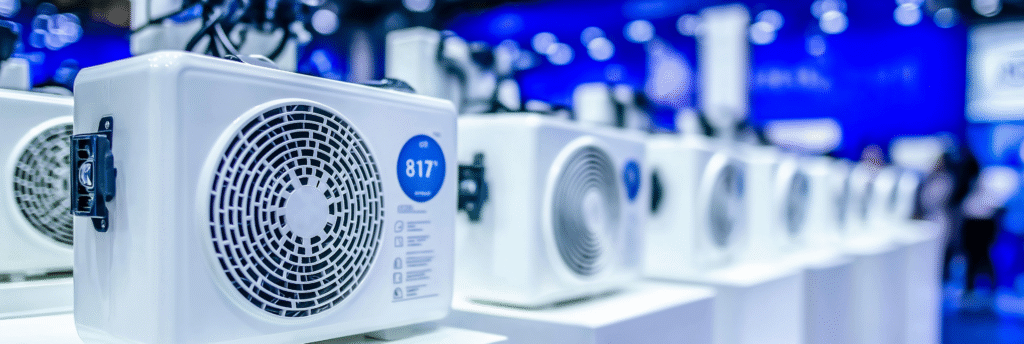
• Exploring the Latest Innovations in HVAC Technology

    hvac units


    Modern HVAC systems provide heating and cooling for residential and commercial buildings. They often include energy-efficient components to help regulate indoor temperatures. Proper installation and maintenance support reliable operation and consistent system performance. Here are the latest innovations in HVAC technology:


    Custom Duct Fabrication


    Tailor-made ductwork can be designed to fit the specific layout of a building. Metal components are often fabricated for consistent durability and stable airflow. Precision cutting techniques are used to shape ducts for proper installation. These methods help support ductwork that aligns correctly with heating and cooling systems. Properly installed ductwork supports consistent operation and overall system performance.


    Customized sections can help reduce gaps and support more even airflow throughout interior spaces. Pre-fitted duct pieces may simplify installation and make assembly smoother. Improved airflow circulation helps maintain balanced temperatures across different rooms. Careful design and fabrication can enhance the efficiency of the HVAC system. Well-planned ductwork helps maintain reliable climate control across a building.


    High-Efficiency Systems


    High-efficiency heating and cooling systems are designed to operate based on demand. Modern systems often include variable-speed components that adjust performance according to indoor conditions. Compressors and other mechanical parts can operate more quietly while supporting consistent temperature control. Systems may be rated to show efficiency and overall energy performance. Properly designed systems help maintain stable indoor comfort throughout the year.


    Installation affects how equipment operates and interacts with other system components. Proper configuration can reduce strain on mechanical parts and maintain consistent performance. Regular maintenance helps extend the lifespan of the system and its components. Energy-efficient systems often include features to manage energy use and system load.


    Smart Control Integration


    Smart thermostats allow users to adjust indoor temperatures and manage HVAC systems remotely. Many models can connect to mobile applications for scheduling and basic control. Some devices include features for monitoring energy use and tracking temperature settings. Smart thermostats can be integrated with other home automation systems to provide centralized control. These systems offer options for adjusting heating and cooling based on user preferences and daily routines.


    Air Quality Enhancements


    Indoor air quality can be managed through the use of air purifiers and filtration systems. Air purifiers help capture dust particles that might otherwise circulate through vents into interior spaces. High-performance filters are designed to remove a wider range of airborne particles compared with standard HVAC filters.


    Whole-home humidification systems can help maintain balanced moisture levels throughout a building. Dehumidifiers are used to reduce excessive humidity, which can contribute to mold growth. These systems work together to support cleaner air circulation and help maintain consistent indoor conditions. HVAC systems may also operate more efficiently when particles are less obstructing airflow.


    Get HVAC Services


    Individually designed duct systems, along with intelligent control and energy-efficient equipment, support effective HVAC operation throughout residential and commercial buildings. Preventive maintenance helps identify and address potential issues before they become larger problems or require costly repairs. Modern diagnostic tools allow technicians to work with greater accuracy, efficiency, and consistency. Explore available HVAC solutions to improve energy use, indoor comfort, and overall system performance year-round.


    partnered post

  • 5 HVAC Maintenance Mistakes You Are Probably Making

    Carlos-lindner-53wcYH4IOig-unsplash

    Home appliances, including the HVAC system, help to provide maximum comfort for you and your family. However, without proper maintenance, your HVAC unit could lead to increased energy bills, not to mention failing to function correctly. Read on for five HVAC maintenance mistakes you are probably making that compromise the efficiency of your unit.

    Failing to clean or replace your filter

    Thanks to the continuous liquid-to-gas-to-liquid reaction as your unit operates, debris, dust, and dirt particles end up being sucked into the air conditioner. This compromises indoor air quality and increases energy consumption and bills. HVAC systems are fitted with filters such as the 20x30x1 air filter, designed to keep unwanted particles from getting into the unit. 

    However, continued use of the air filters leads to accumulation of the dirt particles resulting in clogs.  For this reason, you should consider cleaning or replacing your air filters every three months to allow your HVAC system to perform its function appropriately.

    Failing to upgrade to a programmable thermostat

    While upgrading to a smart or programmable thermostat may be expensive, you could end up saving a lot on your annual utilities. A programmable thermostat can help you save up to 10% of your yearly heating and cooling costs. With a smart thermostat, you also do not have to worry about constantly adjusting the temperatures when leaving the house or asleep. You could simply program it to the desired temperatures when in and out of the home.

    Opening your windows and doors when the HVAC system is running

    Often, on a hot sunny day, you may find yourself leaving the doors and windows open to let in as much fresh air in the home as possible. This could lead to increased energy bills, especially when the HVAC system is running because the cool air circulating from your HVAC unit escapes from the open windows and doors, making your AC work twice harder to cool the room. Ensure that you shut windows and doors every time your HVAC system is running to cut down the energy bills.

    Surrounding the HVAC system with other appliances

    Where is your HVAC unit positioned? Placing your HVAC system near other appliances can lead to a tremendous increase in your energy bills. Most AC units have sensors to determine a sudden change in temperatures, prompting the system to maintain ideal temperatures. When you surround your unit with other appliances, especially those that give off heat, including televisions and refrigerators, the unit may be tricked into working twice as hard to cool the room. As such, you should position your HVAC system away from appliances that give off heat.

    Failing to hire HVAC maintenance professionals

    Hiring an HVAC maintenance professional is not a waste of money. Contractors can conduct regular inspections; therefore, identify a problem on your HVAC system on time and fix it. While you may handle a decent amount of AC system maintenance, your unit may suffer from severe problems that only an experienced eye could identify. Professionals have relevant knowledge and experience, so they can help improve your system’s efficiency and lifespan.

    Endnote

    Poor maintenance can compromise your HVAC system’s efficiency. As such, you should familiarize yourself with these maintenance mistakes and avoid them to ensure your unit is functioning correctly and reduce energy expenses

    partnered post • photo by Carlos Lindner from Unsplash

  • Upgrades You May Want to Consider During a Major Home Renovation

    2264027698_932712f302_h

    There’s an extensive amount of work that takes place during a home renovation. Appliances and fixtures are removed, floors are pulled up, and walls are demolished. All this construction, eventually, creates a blank canvas for homeowners to have transformed into a space that is safe and comfortable to reside in. As all this is going on, however, renovations also bring to light things within the property that need to be enhanced in order to prevent future problems and/or to make life easier.

    As matters such as these listed below arise, homeowners will have to make an informed decision on whether or not they should consider an upgrade.

    Electrical

    Knocking down walls, pulling up floors, and removing appliances and fixtures will often expose electrical wiring throughout the house. Contractors will often recommend that homeowners consider electrical upgrades if there were faulty or damaged wires, the system no longer complies with local building codes, or the electrical power in the home wasn’t sufficient enough to withstand the new renovations (for example, if you’re getting a home theater, you might need an upgraded power source to ensure it will operate efficiently).

    You would then need to look to resources like PacmanElectric.com services for assistance with an energy audit, electrical wiring upgrade, panel installations, and repairs. Sometimes, it may be ideal to have an electrician come to your home at some point during the renovation. For instance, if you were having your kitchen upgraded but always felt like there were not enough electrical sockets in the kitchen, now would be the best time to have them installed before closing walls back up and adding more appliances. Every area has great, trustworthy electricians, though – go with electric companies that are well-reviewed and trustworthy.

    Plumbing

    When it comes to kitchen and bathroom renovations especially, it may be determined that you need to have your plumbing upgraded. This is particularly true if you’ve got rusted pipes or water, water flow issues, flooding, leaks, or mold. If you ignore these issues when they are brought to your attention, you will surely run into problems later. As most pipes and plumbing fixtures are hidden behind walls and other equipment, trying to fix the problem later on means that you’ll have to have your newly renovated kitchen or bathroom damaged again in order for the plumber to resolve the problem.

    HVAC

    Another area that you may want to consider upgrading during a renovation is the heating and cooling system. Most households utilize their HVAC systems all year long. The constant wear and tear (even with regular maintenance) eventually cause the unit to not work as efficiently. If your system is more than 10 years old, has caused a spike in your electrical bills, doesn’t get the room to the right temperature, constantly needs repairs, or makes loud noises, an upgrade is definitely worth considering. You might also want work done on your HVAC system if you’re interested in installing vents in rooms that don’t have them or if you’re adding a new room or extending your home.

    Tech Upgrades

    Home automation has become increasingly popular these days. Not only does having technology into your home provide comfort, safety, and convenience, but it can save you money and increase the resale value of your property. Depending on the type of tech you’re thinking of installing or updating in your home, it will require hardwiring which means it is best to consider it while renovations are underway. Some upgrades you might benefit from are a programmable thermostat, USB outlets, security systems, built-in speakers, energy-efficient lighting, or a home automation system. If you are contemplating some tech upgrades in the home, be sure to make this known to the contractor prior to construction so that it can be incorporated into the layout and added to the renovation schedule.

    When you think of renovating your home you often think about what you want done, how much you can afford, who you’re going to hire, and how long it will take to complete. While these are all important things to consider, adding upgrades to your list of considerations (and your budget) is highly recommended. As you can see from above, the right renovations can prevent problems down the line, save you money, increase your property value, and provide your household with enhanced safety, comfort, and convenience.

    brought to you by our site supporters • cc-licensed image by Dawn Peterson