• Choosing Bathroom Products: Showroom Inspiration or Online Convenience?

    modern bathroom

    When you are planning a bathroom, it is easy to get drawn into layout ideas, colour palettes and big-picture inspiration. Yet in practice, the success of the room often comes down to the products you choose. Baths, showers, taps, basins, furniture, mirrors and practical accessories all shape how the space looks, feels and functions day after day. That is why it makes sense to focus less on trends alone and more on what is actually available, how those products fit together, and what buying route suits you best. 

    A well-designed bathroom should look appealing on installation day but also support your daily routine, make sensible use of space, and still feel right months and years later. Whether you are upgrading a compact en suite, refreshing a family bathroom or starting from scratch in a larger room, product choice will have a direct impact on comfort, storage, usability and long-term satisfaction. 

    For that reason, it can be helpful to look at the range of products available through different kinds of bathroom retailers. Some businesses give you the opportunity to explore bathroom displays in person, while others offer extensive online catalogues with a wide choice of styles and price points. Both models can be useful, and both can help you build a bathroom scheme that feels complete. 

    Eat Soak Sleep is one example of a retailer with a showroom presence in Rugby, where its bathroom offering includes styles and room types such as modern, traditional, luxury, wet rooms, en suites and cloakrooms, along with products including baths, shower and steam options, toilets, vanity units, basins and taps. At Home Bathrooms, meanwhile, focuses on online bathroom shopping and offers a broad catalogue that includes bathroom furniture, bathroom suites, shower enclosures, showers, baths, toilets, basins, taps, mirrors, heating products and accessories.  

    That contrast is useful because it highlights a broader point: when you are buying for a bathroom, you are not just choosing between retailers, but between different ways of exploring products.

    The importance of starting with product priorities
    Before comparing where to buy, it helps to decide what matters most in the room itself. If you are designing around relaxation, a bath may be the focal point. If practicality is the priority, your attention may turn to showering solutions, vanity storage or easy-clean surfaces. In smaller rooms, the most important products are often the ones that help maximise floor area and reduce visual clutter. 

    This is where many bathroom projects either become simpler or more complicated. If you begin with a clear view of what the room needs to do, it becomes easier to choose the right products. If you start only with an aesthetic idea, you can quickly become overwhelmed by the number of options available. 

    Think about how you use the space. Do you need a fast, functional room for busy mornings? Are you trying to create more storage for toiletries, towels and household essentials? Do you want the room to feel calm and minimal, or layered and expressive? Your answers will guide which products deserve the most attention. 

    Baths, showers and the foundation of the room
    In many bathrooms, the central practical decision is whether the room revolves around bathing, showering or a combination of both. That choice affects almost everything else, from layout to fittings. 

    At Eat Soak Sleep, bathroom displays include baths and shower-focused categories, as well as walk-in showers and shower rooms, which suggests a design-led approach across different room formats. At Home Bathrooms also offers a broad mix of bathing and showering options online, including single ended baths, double ended baths, freestanding baths, shower baths, small baths, corner baths, stone baths, shower enclosures, walk-in showers and wetroom panels.  

    For you as a buyer, the real question is how these products fit your home. A freestanding bath can create a strong visual statement, but it is not always the best use of space in a tighter room. A shower bath can be a practical compromise. A walk-in enclosure may feel modern and open, while still being suitable for day-to-day family use if planned properly. Looking at the available product categories, rather than only the headline style, is often the best way to stay grounded. 

    Furniture, storage and everyday practicality
    Bathroom furniture deserves more attention than it often gets. A room can have beautiful taps and an elegant basin, but still feel frustrating if there is nowhere to put essentials away. Vanity units, storage columns, toilet units and coordinated furniture sets can make a major difference to how calm and functional the room feels. 

    Eat Soak Sleep lists vanity units among its core bathroom products. At Home Bathrooms has a particularly broad furniture section online, including wall-hung vanity units, floor-mounted vanity units, double vanity units, traditional vanity units, cloakroom vanity units, tall units and furniture in a range of colours such as grey, white, blue, green, oak and black.  

    That breadth matters because furniture is rarely only about storage. It also influences the visual character of the room. Wall-hung pieces can make a bathroom appear more spacious and contemporary. Floor-standing options can feel substantial and practical. Smaller vanity units are often ideal when every inch counts. In other words, furniture is one of the clearest examples of a product category that blends style and function in equal measure. 

    Taps, basins and the details that shape the finished look
    Once the larger sanitaryware pieces are chosen, the finer details begin to define the room. Taps, basins and coordinated fittings can shift a bathroom from feeling merely functional to feeling considered. 

    Eat Soak Sleep includes basins and taps within its bathroom product offering. At Home Bathrooms offers a wide online selection of basin taps, tall basin mixer taps, wall-mounted basin taps, bath filler taps, bath shower mixer taps and freestanding bath taps, with finishes including brushed brass, black, white and bronze.  

    This is one area where it is worth slowing down. A tap is not just a practical fitting. It affects the overall tone of the room, whether that is classic, minimalist, industrial or warm and contemporary. The same is true of basins. Some homeowners want a subtle design that blends in; others want the basin area to become a feature in its own right. Product choice in these smaller elements often has a bigger visual effect than expected. 

    Mirrors, heating and finishing products
    Bathrooms work best when the supporting products are chosen with just as much care as the main fittings. Mirrors, lighting-adjacent products and heating pieces often determine whether a room feels complete. 

    At Home Bathrooms includes bathroom mirrors, illuminated mirrors, mirror cabinets, magnifying mirrors and a range of heated towel rails in different finishes. These categories matter because they support both comfort and atmosphere. A mirror cabinet can improve storage without taking up extra room. A heated towel rail adds everyday convenience while contributing to the visual rhythm of the space. Even a modest update in these areas can make a bathroom feel more polished. 

    This is also where a practical mindset pays off. It is easy to concentrate on big statement items and leave finishing products until late in the project. In reality, they should be part of your thinking from the beginning. 

    Two different ways to explore bathroom products
    The reason both Eat Soak Sleep and At Home Bathrooms are noteworthy is that they reflect two distinct but equally valid product-shopping experiences. 

    Eat Soak Sleep offers a showroom setting in Rugby with bathroom styles, room types and product categories that can be explored in a physical environment. That may appeal to you if you want to compare finishes, understand proportions better and see how products work together in a real display. 

    At Home Bathrooms, on the other hand, provides a large online product catalogue that spans many of the major bathroom categories, from suites and enclosures to taps, furniture and accessories. Its site also notes a value-oriented Zenith tap collection positioned at competitive prices for modern updates on a budget. That kind of online breadth can be especially useful if you prefer to browse from home, compare options independently and build your shortlist at your own pace. 

    Neither route is inherently better. The right one depends on how you like to make decisions and which products are most important to get right. 

    A sensible way to approach your own bathroom project
    If you want to make the process easier, start by grouping your product decisions. Choose the core items first, such as the bath, shower, toilet and basin. Then look at storage and furniture. After that, refine the scheme with taps, mirrors, heating and accessories. This simple structure helps you keep the room practical while still leaving space for personality and style. 

    Most importantly, focus on suitability rather than impulse. The best bathroom products are not always the most dramatic ones. They are the ones that fit the room well, support your routine, and contribute to a space that feels coherent from every angle. 

    In the end, a successful bathroom is built product by product. Whether you prefer to see options in person through a showroom-based business like Eat Soak Sleep or browse an extensive online range through a retailer such as At Home Bathrooms, the goal is the same: choosing pieces that work together and work hard for your home. 

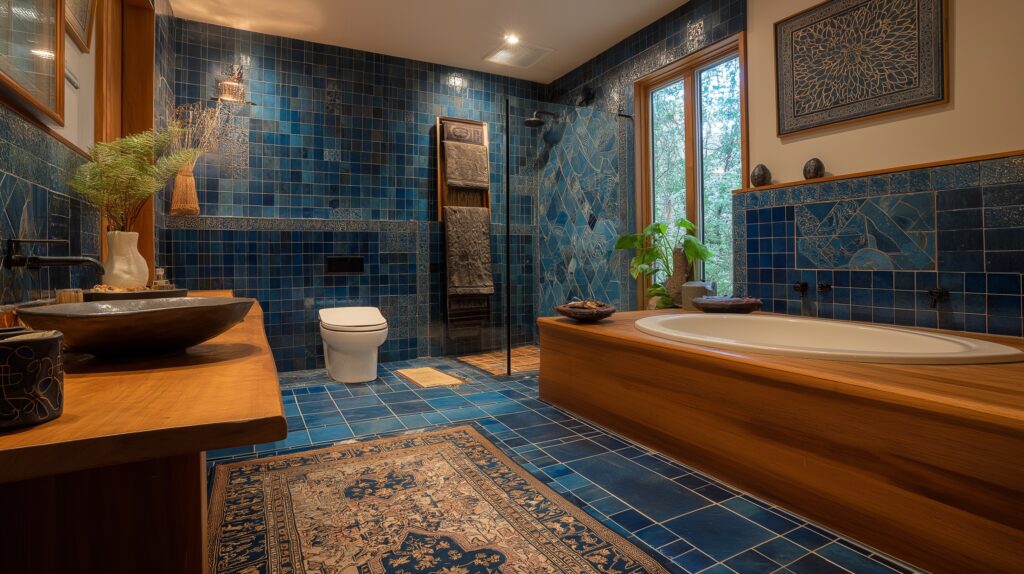
     partnered post • image by Midjourney

  • First-Time Homebuyer Mistakes in Kennesaw (And How to Avoid Them)

    First-time homebuyers reviewing inspection documents outside a suburban home in Kennesaw, Georgia

    Key Takeaways

    • Read your full home inspection report, not just the summary
    • Track the age of major systems, not just cosmetic updates
    • Budget below your loan approval amount
    • Plan for first-year expenses before closing
    • Be cautious about waiving contingencies in competitive offers
    • Understand the quirks of Kennesaw’s older homes

    Buying my first home in Kennesaw felt like a milestone. It is one of Cobb County’s most livable areas, with good schools, walkable neighborhoods, and easy access to places like Swift-Cantrell Park. There is a real sense of community here that draws people in.

    But I have also watched many first-time buyers fall in love with a house, then spend the next two years paying for decisions made in the first two weeks.

    This guide is for anyone buying their first home in Kennesaw who wants to go in with a clear plan. These are not abstract warnings. These are the real mistakes I have seen cost people money, time, and peace of mind.

    Mistake #1: Skipping a Thorough Inspection as a First-Time Homebuyer

    The home inspection is the most valuable step in the buying process. It is also the one that first-time buyers underuse the most.

    I have seen buyers attend the inspection, hear “nothing major,” and move on. Then they ignore a 30- to 40-page report detailing deferred maintenance that totals thousands in repairs.

    Read the entire report. Ask your inspector to explain anything flagged. Focus on more than just the major issues.

    Pay close attention to:

    • Roof age and condition. Replacements in Kennesaw often cost $8,000 to $16,000
    • HVAC age and service history. Georgia summers are unforgiving
    • Crawl space moisture and vapor barriers
    • Electrical panel type and age
    • Plumbing materials such as polybutylene

    A good inspection gives you negotiating leverage and a long-term maintenance roadmap. Use it fully.

    Mistake #2: Ignoring the Age of Systems and Appliances

    The inspection tells you what exists. This step is about understanding when things will fail.

    Most first-time buyers focus on what they can see. Fresh paint, new countertops, and clean flooring often distract from aging systems behind the walls.

    I have walked through homes that looked fully updated but still had:

    • A 14-year-old water heater
    • HVAC units near end-of-life
    • Appliances over a decade old

    Before closing, document the age of every major system and appliance. Then estimate replacement timelines.

    In my experience, homeowners who track and maintain systems spend far less over time. Those who wait for failure often deal with urgent and expensive repairs. One thing that helps is knowing who to call before something breaks. I always recommend finding a reliable option for appliance repair in Kennesaw early, so you are not scrambling when a unit fails unexpectedly.

    Mistake #3: Using Your Full Mortgage Approval as Your Budget

    This is the most common and most damaging mistake I see.

    A lender approves you for $420,000. You buy at $415,000. On paper, it works. In reality, you are left with no margin when something breaks.

    Your loan approval reflects the lender’s risk tolerance. It does not reflect your financial comfort.

    Your real budget should include:

    • Monthly payment plus taxes and insurance, often $300 to $600 more than expected
    • HOA fees, which are common in Kennesaw communities
    • Annual maintenance costs of 1 to 2 percent of home value
    • Utility increases in larger homes
    • Furnishing and move-in costs

    According to industry standards, homeowners typically spend 1 to 2 percent of a home’s value each year on maintenance alone.

    If your budget feels tight before you move in, it will feel worse after. Buy below your ceiling.

    Mistake #4: Waiving Contingencies in a Competitive Market

    Kennesaw’s housing market can be competitive, especially in the $300,000 to $450,000 range.

    When multiple offers come in, buyers feel pressure to waive contingencies. I understand the emotional side of this. Losing a home is frustrating.

    But removing protections can create a serious risk.

    • Waiving inspection means accepting unknown repair costs
    • Waiving financing risks, losing earnest money

    There are safer ways to stay competitive:

    • Increase earnest money
    • Offer flexible closing timelines
    • Use escalation clauses
    • Strengthen your financing position

    In most cases, keeping your contingencies is the smarter long-term move.

    Alt text: Older suburban home in Kennesaw, Georgia, with a first-time buyer evaluating the aging exterior and condition

    Mistake #5: Not Understanding Kennesaw’s Older Housing Stock

    A large portion of Kennesaw homes were built between 1975 and 2000. These homes have specific characteristics that buyers need to understand.

    Common issues include:

    • Aluminum wiring in older properties
    • Single-pane windows that affect energy efficiency
    • Popcorn ceilings that may contain asbestos
    • Aging or undersized ductwork
    • Crawl space moisture problems

    None of these automatically makes a home a bad investment. In fact, older homes often have larger lots and established neighborhoods.

    The key is knowing what you are buying and pricing those factors correctly.

    Mistake #6: Underestimating the First Year of Homeownership

    The first year is almost always more expensive than buyers expect.

    Not because of major disasters, but because of constant small expenses.

    In my experience, new homeowners typically deal with:

    • Lock changes
    • Minor repairs
    • Tool purchases
    • System adjustments
    • Cosmetic updates

    It adds up quickly. Bathroom updates are a common example. I have seen new homeowners jump into upgrades too quickly, then realize how many details they overlooked. This breakdown of what homeowners wish they knew before renovating a bathroom is worth reading before starting any project.

    I recommend setting aside $5,000 to $10,000 for first-year costs. Buyers who plan for this treat it as a normal occurrence. Those who do not feel constantly caught off guard.

    What Makes Kennesaw Homeownership Unique

    Kennesaw sits in northwest Cobb County at a higher elevation than Atlanta. Winters can be slightly cooler, with occasional ice. This affects roofing, plumbing, and outdoor surfaces.

    The city also has an active code enforcement department. Property upkeep matters here, and neighborhoods tend to reflect that.

    Traffic is another factor. Barrett Parkway and Cobb Parkway can get congested during peak hours. I always recommend testing your commute before committing to a location.

    If you are buying in older neighborhoods or near Historic Downtown, pay attention to infrastructure. Some water and sewer lines date back decades, so inspections should include those systems.

    What Separates Prepared Buyers From Stressed Ones

    The buyers who succeed long-term prepare for the reality of the home, not just how it looks.

    They read inspection reports carefully. They know the age of major systems before closing. They build a list of reliable service providers early.

    The buyers who struggle usually rely on appearances. A home can look updated and still require significant work.

    That gap between appearance and condition is where most first-year stress comes from.

    Frequently Asked Questions

    How much should I budget for home maintenance in Kennesaw?

    Plan for 1 to 2 percent of your home’s value annually. A $350,000 home typically requires $3,500 to $7,000 per year. Older homes may require more.

    Is Kennesaw a good place for first-time homebuyers?

    Yes. It offers strong value compared to nearby areas, solid schools, and a stable housing market. The main trade-off is distance from central Atlanta and traffic during peak hours.

    What are the biggest hidden costs after buying a home?

    Property taxes and insurance are often underestimated. Many buyers also overlook first-year expenses such as repairs, tools, and upgrades.

    Should I buy a newer or older home in Kennesaw?

    Both options can work well. Newer homes usually need less immediate maintenance. Older homes often offer better locations and larger lots. The key is understanding the condition and pricing it correctly.

    How competitive is the Kennesaw housing market?

    Homes under $450,000 tend to move quickly, especially in desirable school zones. Being pre-approved and ready to act is essential.

    Final Thoughts for First-Time Buyers

    Buying your first home in Kennesaw is a meaningful milestone. It is a place where long-term investment and quality of life can align well.

    The mistakes that cause problems are predictable. Skipping inspection details, underestimating costs, stretching your budget, and ignoring system age are the most common ones.

    Every one of these is avoidable.

    Know what you are buying. Plan for the real costs. Build your support network early.

    That approach will carry you through the first year and set you up for long-term success.

    partnered post • client image

  • Self-Care Sanctuary: Tips for Creating Your Own Spa at Home

    Key Takeaways:

    • Having a self-care sanctuary can help you relax and improve your overall wellbeing
    • Choose spa products that make you feel good, set up a relaxing atmosphere and incorporate some stress-relieving activities
    • Take the time to create a space that is uniquely yours and embrace the opportunity to experience true relaxation

    Do you ever feel it’s impossible to find a place entirely of your own where all of life's worries melt away? Now you can create the perfect spa-like sanctuary without leaving your home.

    Creating a self-care space and dedicating time for yourself is important as it helps to reduce stress and improve your overall well-being. With simple tips, anyone can turn their home into a relaxing sanctuary.

    This blog post will help you create your own spa at home, from choosing the perfect products to incorporating stress-relieving activities.

    Relax331d

    Choosing The Right Spa Products

    Choosing the right spa products is essential to creating your perfect sanctuary. Here are some things to consider when selecting the right products for you:

    • Choose natural, organic products whenever possible – this will help ensure that you use gentle, non-toxic ingredients on your skin and in your environment to promote relaxation and overall health.
    • Consider each product's scent – aromatherapy is a great way to set the mood for a relaxing atmosphere.
    • Look for natural or herbal ingredients – these products are often more effective than their chemical counterparts and can be used for various treatments.

    Setting Up A Relaxing Atmosphere

    Once you have your spa products, it’s time to set up a relaxing atmosphere. Here are some tips for creating the perfect environment:

    • Dim the lights and add soft, ambient lighting, making the room feel peaceful and inviting.
    • Place some scented candles around the room.
    • Use essential oils to help you relax and unwind.
    • Incorporate inviting textures such as soft blankets, comfy pillows or even a cozy throw rug – this will make your sanctuary feel like an oasis of comfort.

    Incorporating Stress-Relieving Activities

    Now that you’ve set up the perfect atmosphere, it’s time to incorporate some activities into your self-care routine. Here are some ideas to help you relax and unwind:

    • Take a warm bath or shower – this can be especially helpful if you feel stressed or overwhelmed.
    • Practice mindfulness and yoga – both can reduce stress, calm the mind and body, and helping you find a sense of inner peace.
    • Meditate can help focus your attention on the present moment, allowing you to be more aware of your thoughts and feelings.

    Enjoying Total Relaxation And Wellbeing

    Now that you know how to create your own self-care sanctuary at home, it’s time to enjoy total relaxation and well-being. Here are some additional tips to help you make the most of your sanctuary:

    Set Aside Time Each Day To Enjoy Your Sanctuary

    It is important to make time for yourself each day, even if it is just for a few minutes. Setting aside time specifically for relaxation and self-care can help you take advantage of all the benefits your spa sanctuary has to offer.

    Allow Yourself To Relax And Unwind Without Any Distractions

    Once you’ve set aside some time for yourself, make sure to turn off all electronics and any other distractions that may interfere with your relaxation. Be it your phone, laptop or TV – just allow yourself to relax without the constant notifications and alerts.

    Don’t Be Afraid To Try New Things

    Additionally, don’t be afraid to experiment with different relaxation techniques and activities. For example, you can try guided meditations, soothing music or even aromatherapy. You never know which one might work best for you.

    Let Go Of Any Expectations

    Finally, don’t be too hard on yourself. It’s important to remember that everyone has different ways of relaxing and winding down. Just let go of any expectations and allow yourself to enjoy whatever comes your way.

    Pro Tip: Don't put too much pressure on yourself, which can lead to stress and frustration.

    Transform your bathroom with a stylish and practical shower cabin from Posh. Our shower cabins are a great solution for anyone looking to upgrade their bathroom without needing major renovations or dealing with the mess of old shower removal.

    With nothing to install behind the wall and no need for tiling or decoration, our freestanding shower cabins are easy to install and can be up and running quickly.

    Browse our selection today and enjoy the ultimate convenience and comfort with a high-quality shower cabin from Posh!

    Frequently Asked Questions

    Is It Fine To Listen To Podcasts In A Relaxation Sanctuary?

    Listening to podcasts might defeat the purpose of having a relaxation sanctuary if you use it to wind down and de-stress. However, if the content of a podcast is calming and soothing, it could be beneficial for your self-care routine. It's all up to what helps you relax and unwind.

    Is There Any Alternative To Essential Oils?

    You can also use scented candles to add a calming scent to your home. They come in various aromas and can be used to set the perfect atmosphere for relaxation. Make sure to choose unscented candles if you are sensitive to smells.

    Conclusion

    Now that you know how to create your own self-care sanctuary in the comfort of your own home, it’s time to start enjoying total relaxation and well-being.

    Remember to set aside time each day for yourself, turn off all distractions, experiment with new activities and don't be too hard on yourself. With a little creativity and dedication, you can create a safe and peaceful space to relax and unwind.

    partnered • images by midjourney

  • Want a Bathroom That Feels Boutique? Start With This

    Tap1s

    You walk into a hotel bathroom and immediately feel the difference — not just clean and functional, but refined. Every element feels intentional. The good news? You don’t need a five-star suite to get that boutique look at home. It often starts with the smallest details — and none have more visual impact than your tapware.

    If you’ve ever admired the elegance of designer bathrooms, chances are you were unknowingly drawn to the sleek fixtures. Choosing from luxury tapware brands isn’t just about function — it’s a design decision that instantly elevates your space.

    The Power of Tapware in Bathroom Design

    In many homes, bathrooms are an afterthought — built to serve a purpose, but not designed to make a statement. Tapware is one of the easiest ways to shift that dynamic.

    Why? Because taps are used daily, are always visible, and often sit front and centre on your vanity or bath. Choosing high-end fittings can turn a standard bathroom into a personal retreat.

    Boutique Looks Begin with Detail

    When aiming for that boutique hotel aesthetic, the magic lies in consistency and care. Here’s where tapware plays a starring role:

    • Material and finish: Think brushed brass, matte black, or gunmetal — they add depth and character.
    • Shape and silhouette: Modern square edges or soft curved lines help reinforce your chosen style.
    • Quality and craftsmanship: High-end brands don’t just look good — they feel better to use, with smoother operation and longer-lasting finishes.

    Choosing the Right Tapware for Your Look

    Designing a bathroom that feels luxe doesn’t mean you need to rip everything out and start fresh. You just need to choose the right elements to update — and tapware is at the top of that list.

    Here are a few pointers to guide your selection:

    1. Match Your Mood

    Are you going for spa-like calm, sleek and modern, or something more traditional? Let that guide your finish and shape. For example:

    • Matte black works beautifully in minimalist or monochrome bathrooms.
    • Brushed gold brings a warm, elegant tone to natural or earth-toned spaces.
    • Polished chrome offers a timeless look that blends easily with most styles.

    2. Think Beyond the Basin

    To create a cohesive, boutique look, choose matching tapware across your entire space — including your shower, bath spout, and even accessories like robe hooks or towel rails.

    3. Don’t Skimp on Quality

    Boutique doesn’t mean high maintenance. Reputable brands use better materials and finishes that resist corrosion, scratching, and general wear — making your bathroom look better, longer.

    Quick Upgrades That Make a Big Impact

    Not ready for a full bathroom renovation? No problem. Just swapping out old tapware can make your space feel brand new. Pair it with:

    • A stylish mirror or sconce lighting
    • Fresh, fluffy towels in neutral colours
    • A wooden stool or bath tray for texture
    • Simple, clutter-free benchtops

    These small, thoughtful touches layer beautifully with luxury tapware to create a calming, high-end feel.

    You Deserve the Good Stuff

    Your bathroom isn’t just a utility room — it’s where you start and end your day. Choosing beautiful, well-made fittings isn’t about showing off; it’s about creating a space that feels good to be in.

    So if you’re dreaming of a boutique hotel experience at home, don’t overlook the power of great tapware. Start there — and let the rest of your bathroom rise to meet the standard.

    partnered post • image by

  • new materials for kitchen and bath

    4444442937_4bd71b3ace_o

    While most of these lend themselves more to a modern kitchen or bath, it's certainly possible to take advantage of advances in materials science in a more traditional remodel as well. For example, I've seen several new Craftsman kitchens using pre-cast and cast-on-site concrete for countertops, and what looks industrial in a modern setting can look warm and complementary in a classic wooden kitchen. Further, now that dyes and inclusions can be added to concrete to give it a bit more character, it's a much more flexible product than it was when it first became popular as a countertop material several years ago.

    Recycled glass and wood, blocks of pressed fibers, resins and other manufactured materials and even more arcane products are being repurposed as countertop, tile, flooring and more. Take a look at a few products and manufacturers I've discovered in the last few months:

    tile / glass / stone

    • Una Terra sells interesting, unique tiles made all over the world – from Italian specialty glass mosaics to American-made stone, they've got some really neat stuff (as well as high-resolution PDFs so you can see the tile up close, something I wish more vendors offered).
    • Marazzi sells porcelain, glass, ceramic and metal-glaz tiles in a small range of basic shades and tones.
    • Bisazza is the American vendor for a large Italian glass and porcelain mosaic tilemaker.
    • Hakatai are my favorite American tilemakers & sellers. Based in Oregon, they produce hundreds of mosaic tiles in glass and other materials for pools, walls, counters, floors, murals and any other flat surface you can imagine. Well, almost.
    • Sonoma Cast Stone sells concrete, kitchen and bath surrounds, tiles & pavers and other items and materials in a wide array of colors.
    • Concrete Network is not a seller, but rather a sourcing site for folks looking for a concrete contractor. The website also includes a big gallery of photos of concrete in use – as countertops, fireplace surrounds, flooring, furniture, sinks and more.
    • IceStone is made from recycled glass and concrete, and comes in a 24-standard color palette with an infinite number of custom options.

    wood

    • Ebony & Co sell hardwood, antique / salvaged, old-growth pine and bespoke wooden parquetry floors in a huge range of woods and finishes. They are also one of the few wood floring vendors who sell specific grades to be used in conjunction with underfloor heating installations.
    • Bamboo Hardwoods has sold sheets of pressed bamboo lumber for flooring, furniture and other products since 1995. They also have a line of custom bamboo cabinetry for kitchen & bath.
    • Teragren sells bamboo flooring, panels designed for cabinetry and furniture, and veneers.
    • Windfall Lumber sells "sustainably harvested wood products," including flooring, mouldings, countertops, decking and whole timbers.
    • New York City's Habitus sells tile, stone, cement, Japanese stucco, porcelain and more, but what they are known for are their cork products: mosaic tiles, floor and wall panels, fabrics, and more. High resolution PDFs are available for download.
    • Treefrog makes and sells exotic wood laminates in interesting patterns and textures
    • Plyboo is a flexible plywood made from bamboo, and is often used for cabinetry and furnituremaking.

    other stuff

    • Yemm & Hart makes decorative polyethylene sheeting and flooring made from recycled tires, just like the stuff that was under the monkey bars when you were a kid – but colorful, stronger, and it won't break up and track all over the place.
    • Lumicor seems all over the news lately. The product is essentially a type of architectural resin which is strong enough to be used as structural material and interesting enough to be decorative. It can be cast thick or thin, and is sometimes used for countertop and tabletop material. It is often cast with various types of fibers embedded, and can be made in an enormous range of colors, textures and opacities. Their portfolio shows several dozen different uses – in homes, retail settings, office space and elsewhere.
    • Paperstone is what it sounds like: a solid surface material, great for countertops, made from recycled paper that has been transformed under enormous pressure.
    • Richlite is another popular product made from a paper fiber-based composite. It was originally distributed as a surface for commercial kitchens and baths in the 1950s, but is enjoying a resurgence as a domestic surface. It is also used for skateboard parks, of all things! It's generally considered a green alternative to Corian and manufactured granite, as it can very closely resemble those materials.
    • Brooklyn's Bettencourt Green Building Supplies sells many of these items, including Richlite, Paperstone, Plyboo bamboo butcherblock, Durapalm coconut flooring, cork, Kirei board, wheatboard and lots more.

    Additionally, Green Home Guide, which can usually be counted on for good and unbiased advice on building materials, has a guide to choosing countertop material; they also have a buyers' guide to green flooring materials, which should give you some general budget information.

    Finally, don't discount the reliable standbys: Corian kitchen worktops are affordable, last forever, quick to fab and install, and look absolutely fantastic. Many contractors are happy to use something tried and true, rather than playing with new materials they've never encountered before. In the UK, we strongly recommend Unique Fabrications in Milton Keynes, who can take on any job, from complex industrial and commercial spaces to residential kitchens and baths.

    cc-licensed image by sierravalleygirl

  • Creative Ways to Make Your Home Spacious and Brighter

    Living-room-gfa9e2a96e_1280

    Imagine what it would be like to have a spacious and bright home — the perfect environment for relaxation, productivity, and entertainment. Creating such an atmosphere can be easier than you might think. But before you start making changes, consider your lifestyle and how you want to use the space. In the US, the average person spends 70–90% of their time indoors, so making sure your home is comfortable and inviting should be a top priority. And especially in places such as apartments and small homes, it can be even more necessary to make the most of what you have. 

    Before you know it, you'll have a cozy and inviting space that looks like something out of your dreams. And who knows, you might find something new and unexpected to add to the room's overall atmosphere.

    Here are some creative ways to make your home more spacious and brighter.

    1. Install Mirrors

    Adding a few strategically-placed mirrors is an easy, cost-effective way to make any room appear larger. Mirrors also reflect light, making them great for brightening up dark corners and adding a little bit of sparkle to your home. They create optical illusions and provide a unique focal point in your space.

    Now while you're at it, don't forget to liven up the walls with eye-catching wall art. But what about the clutter and stuff you have collected over the years? That brings us to the next point. 

    1. Declutter

    Nothing makes a space feel more cramped and uninviting than clutter. Whether it's an overflowing closet or a bunch of knickknacks that don't have a home, having too much stuff lying around can make it feel like there's no room to breathe. Take some time to get rid of anything you don't need or use anymore. Not only will it free up space, but it can also help to clear your mind and make the room feel lighter and airier. And in such a situation, you can turn to a storage facility and store your excess items. Due to the shortage of space, residents in Louisiana are increasingly opting for storage units and pod rentals to store their items.

    We recommend StrongPoint Self Storage as a reliable storage facility that provides the best solution to store your extra stuff. Especially for residents in Lake Charles or Lafayette, undoubtedly, they are the best storage option. They offer climate-controlled storage units with 24/7 access, making it easier to store and access your belongings when needed. If you're a nearby resident seeking a storage unit near you, call them or look up the keywords storage units Lake Charles for the best deal.

    1. Add Natural Accents

    Now that you have decluttered the space, it's time to add some natural elements that can make your home look and feel more inviting. Bring in plants for a pop of color and to bring in some nature vibes. Adding a few houseplants or even an indoor herb garden can add life to the room and help purify the air, creating a healthier environment for your family. Try adding a few pieces of natural wood furniture, such as a dining table or side table, which can add warmth and depth to the room. The more realistic elements you can add, the more expansive and inviting the space will feel. And as a rule of thumb, incorporate enough texture through different materials and art pieces to create a sense of depth in the room.

    1. Let in Natural light

    Next, let's talk about lighting. Natural light can do wonders for brightening up a space and making it feel more open and inviting. If you have windows, keep them open during the day so that natural light can stream into the room. You can also hang lighter window treatments or even add some skylights to allow in more light. Try to use brighter bulbs for your overhead lighting, and don't forget to add accent lights for a softer, more inviting atmosphere. Another reason to love natural light – it's free! And in the long run, it will help you save on your energy bill. 

    1. Create Zones

    So far, our focus has been on creating a more open and spacious feel for your home. But don't forget to create different “zones” in your space. You can always use furniture, rugs, and art pieces to separate a room into different areas. For example, you might place a rug in the center of the living room for a cozy seating area or put up a bookshelf to divide the kitchen from the dining area. This will help to break up the space and make it feel more organized. Furthermore, defining different areas in your home can help to make it feel less cluttered and provide a more pleasing aesthetic overall. Making your space look and feel more inviting is worth every effort.

    1. Experiment or Rearrange

    The more you experiment with rearranging and reorganizing your space, the better you'll get at creating a more inviting atmosphere. Repositioning furniture can open up a room and make it feel more prominent than before while also allowing you to get creative with your decor. Don't be afraid to move your furniture around and switch up the layout occasionally. This will help to keep your home looking fresh and new and will help to prevent it from feeling stale and boring. In addition, rearranging your furniture can be a great way to make the most of your space and create a more organized, spacious atmosphere in your home. And, of course, it's always fun to experiment with different ways of arranging furniture! It might take some trial and error, but eventually, you'll get a better sense of what works for your particular space and style. 

    1. Add a Personal Touch

    To finish off, make sure to add those personal touches. This could be anything from framed family photos, souvenirs from your travels, or art pieces that have a special meaning to you. These items will make your home feel unique and inviting, giving it a sense of warmth and personality. And don't forget about adding fun accents like pillows, throws, and plants — these small details can impact a room.

    Final Words

    Once you get the hang of it, creating an inviting atmosphere in your home can be an easy and enjoyable task. Keep experimenting with different decor pieces, colors, and textures, and don't be afraid to rearrange your space occasionally. And, of course, don't forget to add those personal touches that will make your home feel like it's truly yours. With these tips, you'll be able to create an inviting home in no time!

    partnered post • image by Image by Pexels from Pixabay

  • Cost-Effective Ideas for Spending A Weekend at Home 

    7781195042_02f27e913d_c

    Everyone loves to spend time with their family. When it comes to weekends, it gets even more special because you get enough time to spend with them. You can plan a visit to a live concert in a newly opened club and go to a movie in a theater near you. But all these options can cost you a lot of money. 

    If you’ve got a big budget, of course, you can do that, but if you are not, you need to think about some other cost-effective yet interesting options. No doubt, when it comes to family time, we don’t think much and can spend a lot of money just to make the other members happy. 

    But if you wish to save some money, you can surely try the below-discussed ideas to have a great time with your family. Here are some:

    Plan A Movie At Home 

    No doubt you can go to a movie in some fancy and expensive theater with your family. That will not only cost you some money, but you will have to invest a good amount of time too. Whereas the best thing you can do is plan a movie at home. 

    Today, you can easily connect your smartphone to a TV and can easily watch anything from your phone to TV. whatever you will play on your phone will be displayed on the TV screen. For instance, if you are an Apple user, you must know that you can connect your iPhone to your Macbook and enjoy anything. 

    In fact, Apple has launched its own subscription streaming service Apple TV+ that has an array of movies and other shows to watch. If you wonder how to stream to apple tv from mac, there is an easy way out. If you have the Apple TV app, you are all set to go and make your weekend enjoyable with your family.

    Go For A Picnic 

    If you are not interested in movies and wish to go out, go for a picnic. And the best thing about a picnic is that you can involve your friends and their families too. You all can go to a beautiful place and spend some quality family time there. 

    You all can cook some special food items, and once you reach, enjoy delicious home-cooked food and embrace your day. This definitely will not cost you much money. You should go to a place that you might have on your radar but could not go to because of work or other commitments.

    Play A Board Game 

    If you just don’t want to go anywhere and relax at home, the best thing you can do is gather everyone in your room and play any board game of your choice. There are so many options for board games to choose from. You can go for Monopoly, Jenga, Carom, and so on. 

    This can be a great opportunity to get close to your family and have a good time. In fact, this can also help kids to learn new things in more interesting and fun ways. 

    You can try any of the ideas and have fun on the weekends without spending more money. 

    Happy Weekend!

    Closing Thoughts 

    No matter how hard you try, sometimes you can not avoid the expenses, especially on weekends. During the week, we may lay low because we don’t get that much time to spend with family. Similarly, to make your weekends enjoyable and memorable, go for some really interesting and cost-effective activities. After all, saving money is a good habit. But don’t be stingy.

    partnered post • cc-licensed image by Yoppy

  • Find The Best Bedroom Mattress

    49606381686_9f8b61f03b_c

    If you’re trying to find the best bedroom mattress, getting organized ahead of time is the best strategy. There are a few things you can do to narrow down your search, and make sure that you're getting the perfect mattress for your needs.

    1.Determine what size mattress you need

    To determine what size mattress you need, start by measuring your bed frame. Then, use a tape measure to measure the length and width of the frame. Once you have these measurements, you can determine which size mattress will fit best.

    The most common mattress sizes are twin, full, queen, and king. If you already have a bedframe of a certain size and you're happy with it, such as queen or king bed frame, you may want to consider a queen or king mattress, respectively. If your bed frame is smaller than a twin, you will likely need a twin mattress.

    It's also important to consider your own sleeping habits when choosing a mattress size. If you sleep alone, a twin or full size mattress may be sufficient. However, if you sleep with a partner, you may want to consider a queen or king size mattress so that you both have enough room to sleep comfortably.

    Once you know what size mattress you need, you can start shopping around for the perfect one!

    1. Figure out your budget

    Before you start shopping for a mattress, it's important to figure out your budget. This will help you stay within your price range and avoid overspending on a new mattress.

    There are a variety of mattresses available on the market, so it's important to find one that fits your budget. You can find budget-friendly mattresses starting at around $100. However, if you're looking for a high-quality mattress, you may need to spend a bit more.

    1. Consider your sleep style

    Your sleep style is another important factor to consider when choosing a mattress. Do you sleep on your back, stomach, or side? If you have trouble sleeping on a certain side, you may want to consider a mattress that's specifically designed for that sleep style.

    1. Test out different mattresses

    Once you've determined your budget and sleep style, it's time to start testing out different mattresses. This will help you find the perfect one for you. You can often test out mattresses at local mattress stores.

    1. Think about mattress materials

    There are many types of mattresses in the market and they are made with various types of materials. It is important to know the pros and cons of each type of material before making a purchase.

    Some popular mattress materials include:

    • Innerspring mattresses: These are the most common type of mattress and are made with steel coils. They are often less expensive than other types of mattresses.
    • Memory foam mattresses: These mattresses are made with memory foam, which conforms to your body's shape for a comfortable night's sleep.
    • Latex foam mattresses: Latex foam is a natural material that is often used in eco-friendly mattresses. It is durable and provides good support.
    • Pillowtop mattresses: These mattresses have an extra layer of padding on top for added comfort.
    • Hybrid mattresses: These mattresses combine different materials, such as memory foam and innerspring coils, to create a hybrid mattress.
    1. Think about extra features

    There are many different types of mattresses with innovative features. Some have adjustable frames that can help create the ideal sleeping position. Others have removable and washable covers.

    partnered post • cc-licensed image by Wil C. Fry

  • How Long Does A Concrete Septic Tank Last?

    Screen Shot 2022-03-02 at 9.19.22 AM

    Septic tanks come in various materials, but concrete is often the best choice for durability and longevity. A concrete septic tank can last for many years with proper care, but there are a few things you can do to help ensure its longevity. 

    Make sure to have your tank pumped and cleaned regularly, and avoid flushing anything other than toilet paper and human waste down the drain. If you take good care of your concrete septic tank, it will serve you well for many years.

    What is a concrete septic tank?

    A concrete septic tank is an underground storage tank for wastewater. It is made of concrete or other sturdy materials and is often covered with earth. This kind of tank is an alternative to metal or fiberglass septic tanks, often used in the US.

    Why is Concrete Septic Tank Popular?

    Concrete septic tanks are popular because they are durable and can last for many years. They are also less likely to rust or corrode, making them more reliable than metal or fiberglass tanks.

    How Long Does Concrete Septic Tank Last?

    Concrete septic tanks can last for many years if they are correctly maintained. It is essential to routinely inspect the tank and the surrounding area for signs of damage or wear.

    If any repairs are needed, they should be addressed as soon as possible to prevent further damage.

    The average lifespan of a concrete septic tank is about 30- 40 years, while some will last longer. The actual lifespan of the septic tank depends on various factors, such as how often it is used and maintained.

    If your home is connected to the public sewage system, you may need to replace your concrete septic tank after 30 years.

    Concrete septic tanks are more durable than metal or fiberglass septic tanks. However, it is important to inspect your tank regularly for signs of damage.

    It is best to replace the tank once it begins showing signs of wear and tear. A new concrete septic tank does not need insulation as you would have in your house.

    However, it may be helpful to install insulation if the tank is outdoors in an icy region.

    Above-ground septic tanks made of concrete are not shared outside of the US, but they are becoming more popular as people become aware of their benefits.

    They can be used alongside metal or fiberglass tanks and provide several significant advantages. They are sturdier and more durable, making them a better choice for homes in remote areas where weather exposure is high.

    Many people also prefer concrete aesthetics over other materials such as metal or fiberglass.

     Advantages of a Concrete Septic Tank

    Below are the advantages of choosing a concrete septic tank over other styles:

    • 1. Strong and Durable

    A concrete septic tank is a popular choice for wastewater storage because it is strong and durable. With proper care, it can last for many years, making it a more reliable option than metal or fiberglass tanks.

    • 2. Prevents Corrosion

    Concrete tanks are resistant to Corrosion, making it easier to prevent leaks and cracks.

    • 3. Aesthetically Pleasing

    Concrete septic tanks are an aesthetically pleasing choice for your home. They can be used as part of the landscaping, making them more appealing than metal or fiberglass tanks.

    One can find concrete septic tanks in a variety of neutral colors. This makes concrete septic tanks easy to match your home's exterior design scheme and landscaping.

    Many people also prefer to install a concrete tank instead of using a metal or fiberglass tank.

    • 4. Prevents Odors from Escaping

    Concrete tanks prevent odors from escaping, which is a common issue with metal and fiberglass tanks. Concrete septic tanks can improve your property's appeal and value in regions where odor control is essential.

    This is especially true in communities with strict ordinances or covenants that require homes to have a certain number of working sewage systems.

    • 5. Easier to Use and Service

    Concrete tanks are easier to use and service than metal or fiberglass tanks, making them a better choice for those who do not have much experience with septic tank maintenance.

    Concrete septic tanks can provide many years of reliable performance with proper care.

    • 6. Prevents Poisoning of Wells

    Concrete tanks prevent harmful products from seeping into your well, which can cause it to become poisoned. This is more of an issue with metal storage tanks because the corrosive materials they contain can leach into your well and contaminate it.

    • 7. Early Detection of Problems

    With proper care, concrete tanks can last 30-40 years. However, this lifespan may vary with how often the tank is used and properly maintained.

    Since concrete septic tanks are more durable than metal or fiberglass tanks, you can inspect your tank regularly without fear of damaging it. It is essential to examine your tank for cracks or leaks that could lead to significant problems.

    • 8. Resistant to Corrosion and Rust

    Concrete septic tanks are resistant to corrosion and rust. This means that they will not corrode or rust over time, which could cause damage to the tank.

    • 9. Less Likely to Leak

    Concrete septic tanks are less likely to leak than plastic septic tanks. If a concrete tank does leak, it is easy to repair.

    • 10. Less Likely to Freeze

    Concrete septic tanks are less likely to freeze in cold weather climates. This is because concrete retains heat better than plastic. They are better equipped to withstand freezing temperatures than metal tanks, suitable for cold climates.

    How to take care of your concrete septic tank

    If you have a concrete septic tank, there are a few things you need to do to keep it in good condition. Here are some tips:

    1. Inspect your tank regularly for cracks or leaks.
    2. Keep the tank free of debris and vegetation.
    3. Avoid driving over the tank or putting heavy objects on top of it.
    4. Have the tank pumped regularly (at least every 2-3 years).
    5. Make sure the wastewater treatment system is properly functioning.
    6. If you are unsure, hire a professional septic tank cleaning company to inspect the tank every few months.
    7. If you hear gurgling sounds coming from your tank, call for help immediately!
    8. Keep up with all necessary tank maintenance and repairs.
    9. If you smell sewage or other odors coming from the tank, contact a professional immediately.

    If you have a concrete septic tank, it is important to keep it in good condition by performing regular inspections and pumping. Otherwise, your tank may begin to deteriorate quickly and cause problems with the wastewater treatment system or damage the landscaping around your home.

    FAQs about concrete septic tanks

    Many people always have some questions about concrete septic tanks. Here are a few of the most common ones:

    • What is the life expectancy of a concrete septic tank?

    A: A concrete septic tank should last 25 to 50 years. However, it is important to maintain and clean the tank regularly to ensure it lasts as long as possible.

    • How big should a septic tank be?

    A: The size of the tank will depend on how many people are in the household. The average household is about two people, so ideally, you need a 200-gallon septic tank. Bigger is much better when it comes to septic tanks!

    • Is it possible to install a concrete septic tank instead of a traditional tank?

    A: Yes! The average cost of installing a concrete septic tank is about $1,000 less than the average traditional tank. And while the initial price tag may be higher, you will save money in the long run because concrete tanks last much longer.

    Conclusion

    Concrete septic tanks may be a bit pricier than traditional ones, but they are worth it in the long term. Concrete is much more durable and can last up to 50 years (depending on how well you take care of them).

    For those who live in areas with extreme climates or high precipitation rates, concrete tanks will also help prevent further damage due to water infiltration.

    If you need any advice about installing your tank or if you want someone else to install it for you, contact our team! We offer affordable pricing options that include installation services to provide all aspects of this service under one roof.

    partnered post • client image

  • Effective Ways to Future-Proof Your Living Space

    Do you ever feel as though you are constantly improving your home? If you are always decorating, changing things, installing upgrades, and refurbing tired spaces then you certainly aren’t alone. We spend a lot of time in our homes, and we want them to be at their best. Most of us are always seeking ways to make our homes more efficient, more beautiful, and more comfortable. We’re looking for ways to make them more sustainable, to show off our personality and to have a home that we are proud of. 

    Pexels-max-vakhtbovych-6312358

    This is completely normal, and to an extent, you’ll probably always want to make small changes and improvements. But you should try your best to future-proof your home, at least when it comes to the bigger elements. A future-proof living space is safe, sustainable, cost-effective, and hardwearing. Yes, you’ll probably always want to paint walls and add accessories, but with a future-proof base to work from, you’ll save money and time, and your home will always be ready to show off to guests. 

    Invest in Good Quality Flooring

    Good quality flooring is essential. It’s a big part of the décor in your living space, taking up a lot of the available area, so you want it to look good. But it also takes a lot of footfall over the years, not to mention spillages, drops, trips and other damage. Poor quality flooring is hard and expensive to look after, and with everything the floor in a family space has to cope with, it won’t last. Investing in a hardwood floor can be a great idea if you are looking for hardwearing flooring that will last the test of time. Even better, you can quickly accessorise a laminate floor with a trendy rug if you are looking to make a quick, inexpensive change. 

    Get into Good Cleaning Habits

    Investing in good quality is often the best way to make sure your décor, furnishings, and appliances last for as long as possible. But this is only true if you look after them. Get into good cleaning and maintenance routines and your home will look good and work well for much longer. 

    Always Consider the Future

    Whenever you update your living space, whether it’s a change to the décor, a new sofa, or a bigger refurb, always do it with the future in mind. Think about whether these changes will still suit your lifestyle and family in 10 years, considering your age, and mobility, as well as your future plans.

    Prioritise

    When it comes to future proofing, don’t worry about things like accessories and soft furnishings, which can be changed easily. Instead, prioritise things like flooring, heating, windows, and important pieces of furniture which contribute to your safety and quality of life. These are the things that need to last, not those finishing touches that make a home. 

    Keep it Simple

    When it comes to décor, the best way to future-proof is to keep things simple, avoiding trends and fashions, and sticking to plain, light colours that work with different seasons, accessories and styles. Keep your walls plain and you can easily change things up with the addition of some colourful accessories. Choose bold wallpapers and designs, and suddenly you are very limited and have to make huge changes every time you want something different. 

    Perhaps the best ways to future-proof your living space are to avoid trends and to make changes mindfully. Always think about the future before you make any changes, but especially bigger, more expensive ones. 

    partnered post • photo by Max Vakhtbovych from Pexels