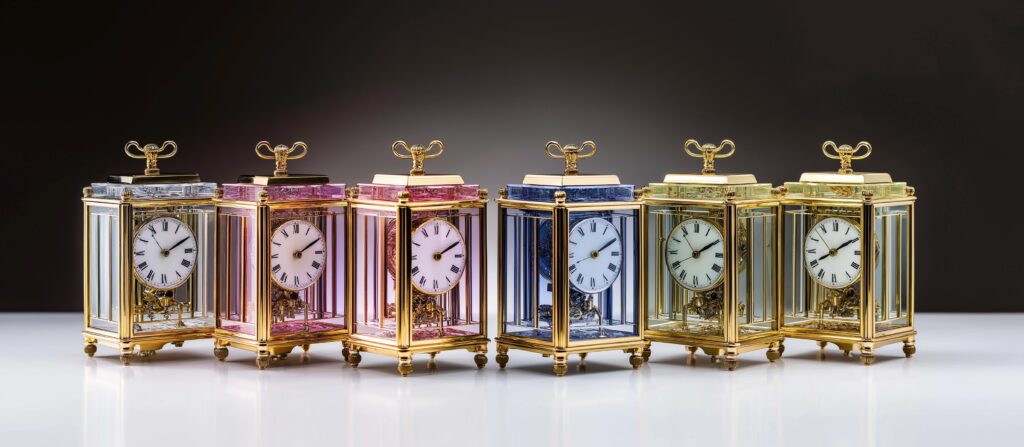
If you own an old carriage clock, you may have wondered whether it is just a nice decoration or something far more valuable. Carriage clocks have a long history and are collected all over the world.
Some sell for modest prices, while others are worth thousands. The value depends on several clear factors, not just age.
This guide will help you understand what your carriage clock might be worth and why.
What Is a Carriage Clock?
Carriage clocks are small brass clocks made mainly in France during the 19th and early 20th centuries. They were designed to be portable, with a handle on top, so people could travel with them. Many were made with fine craftsmanship and accurate movements, which is why they are still admired today.
Although similar clocks were later made in other countries, original French carriage clocks are usually the most valuable.
Age and Period Matter
One of the first things collectors look at is when the clock was made.
- Early 19th-century carriage clocks are often worth more
- Late Victorian and Edwardian examples are still collectible
- Mid-20th-century clocks usually have lower values
Older does not always mean valuable, but early clocks made between 1830 and 1900 are often in higher demand.
Maker and Signature
The name on the dial or movement can greatly affect value. Well-known makers usually command higher prices.
Highly respected carriage clock makers include:
- Drocourt
- Dent
- LeRoy
- Jacot
- Margaine
If your clock is signed by a famous maker, it is worth having it properly assessed. Unsigned clocks can still have value, but usually less than signed examples of similar quality.
Condition is Critical
Condition plays a huge role in the value of carriage clocks. Collectors prefer clocks that are complete and original.
Things that can lower value include:
- Cracked or replaced glass panels
- Dents or heavy wear to the brass case
- Missing handle or feet
- Rust or corrosion inside the movement
A clock that runs well and keeps time is always more desirable. However, even non-working clocks can still have value if they are rare or made by a notable maker.
Complications Increase Value
Some carriage clocks do more than tell time. Extra features, known as complications, often increase value.
Common valuable features include:
- Strike or repeat mechanisms
- Alarm functions
- Calendar displays
- Grande sonnerie or petite sonnerie
A clock with a repeat button that strikes the time on demand is often worth significantly more than a simple time-only example.
Originality and Repairs
Original parts matter greatly in the world of antique clocks. Carriage clocks that have not been heavily altered usually sell for more.
Professional repairs done long ago are often acceptable. Modern replacement parts, especially visible ones, can reduce value. Over-polishing the brass can also lower appeal, as collectors prefer natural aging over a shiny new look.
Provenance and History
If you know where your carriage clock came from, this can add interest and sometimes value. Documentation such as old receipts, family records, or maker’s papers helps support authenticity.
Clocks with a known history, especially if linked to an important person or event, may attract higher offers.
Typical Value Ranges
While prices vary widely, here are some general ranges for carriage clocks:
- Simple unsigned clocks: £300–£800
- Signed French clocks in good condition: £800–£3,000
- High-quality or rare examples: £3,000–£10,000+
Exceptional clocks with rare features or famous makers can exceed these figures.
How to Get an Accurate Valuation
If you want a reliable value, avoid guessing based only on online listings. Prices shown online often reflect asking prices, not what clocks actually sell for.
Better options include:
- Consulting a specialist clock dealer
- Getting a professional auction house valuation
- Having the clock inspected by a horologist
Do not clean or repair the clock before getting advice, as this can unintentionally reduce its value.
Final Thoughts
Understanding how much your carriage clock is worth takes a bit of research, but it can be rewarding. Age, maker, condition, and features all play a role. Whether your clock is worth a few hundred or several thousand, it represents a piece of fine craftsmanship and history.
If you believe your carriage clock may be valuable, a professional assessment is always the best next step.
partnered post