• How Water Softeners Improve Appliance Lifespan and Efficiency

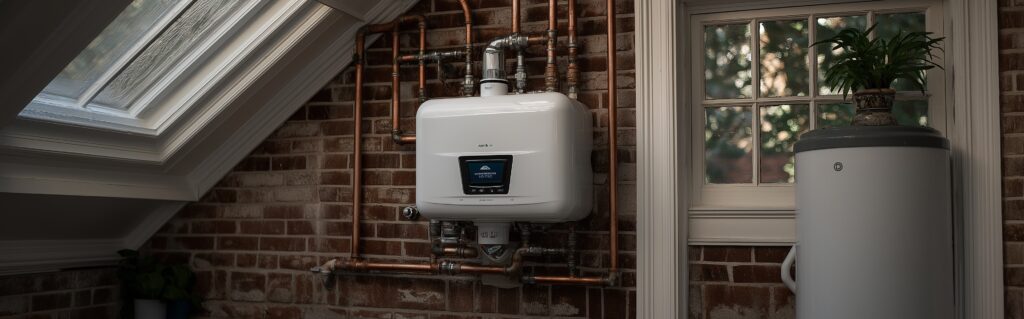
    water softener mounted in basement of old home

    Mineral buildup in plumbing and appliances creates resistance that reduces efficiency over time. Hard water accelerates this process, while water softeners help prevent it. By reducing strain, appliances operate more efficiently and maintain more stable internal conditions. Here’s how water softeners improve appliance lifespan and performance:

    Reduced Scale Buildup

    Softer water reduces mineral deposits that commonly accumulate inside household appliances. Mineral scale can interfere with moving parts, eventually hindering smooth operation. When internal components face fewer obstructions, appliances tend to operate more consistently over time. Cleaner internal surfaces also reduce the likelihood of unexpected maintenance caused by heavy buildup.

    Better Heating Performance

    Heating components operate more efficiently when mineral coatings are removed because nothing is left to insulate or obstruct their surfaces. Without this layer of scale, heat transfers directly into the water, allowing it to reach the desired temperature more quickly and with less energy. Heating systems function more predictably, since their internal components remain in consistent, unobstructed thermal contact.

    Scale-free surfaces also help prevent temperature fluctuations that can occur during repeated heating cycles, particularly when buildup acts as an uneven barrier. By reducing mineral interference to very low levels, water softeners limit the efficiency losses that typically develop in hard-water environments. Over time, these improvements can support better heating performance, lower energy demands, and even contribute to a longer service life for water-heating equipment.

    Lower Energy Consumption

    Softened water allows appliances to use less total power during their regular cycles because the absence of hard-water minerals reduces internal resistance. In hard water, mineral deposits can restrict water flow or impede moving parts, and this added resistance forces motors and heating elements to work harder. When those strains are removed, appliances are able to operate closer to the efficiency levels they were originally designed to achieve.

    Reduced mineral buildup also helps keep appliances in a more stable operating condition, which can contribute to more consistent energy consumption over time. Because components face fewer repeated stresses from scale buildup, long-term mechanical wear may decline, and performance is less likely to degrade unexpectedly. These effects result in lower operational strain and more reliable appliance performance.

    Long Component Life

    Internal parts can last longer because abrasive minerals are no longer present to react with or wear down sensitive components. Pumps, seals, and valves operate more smoothly and efficiently, as softened water greatly reduces friction inside the system. With this decrease in internal stress, appliances are less likely to experience unexpected service interruptions or premature part failures. As these parts maintain their condition over extended periods, the overall system benefits from steadier performance and fewer repairs. Such gains in durability can extend the appliance’s total life cycle and, in many cases, reduce the need for early replacements.

    Get Water Softeners for Your Home

    Softened water creates a less demanding operating environment, which can help appliances run more steadily. When mineral interruptions are minimized, heating and cleaning processes may function more consistently. Lower mineral exposure also lessens wear on internal components, allowing some systems to operate for longer periods between service needs. These improvements may lead to more predictable daily performance. If you want to lessen the impact of hard water on your household equipment, find a reputable water softener supplier today.

    partnered post
  • Exploring the Latest Innovations in HVAC Technology

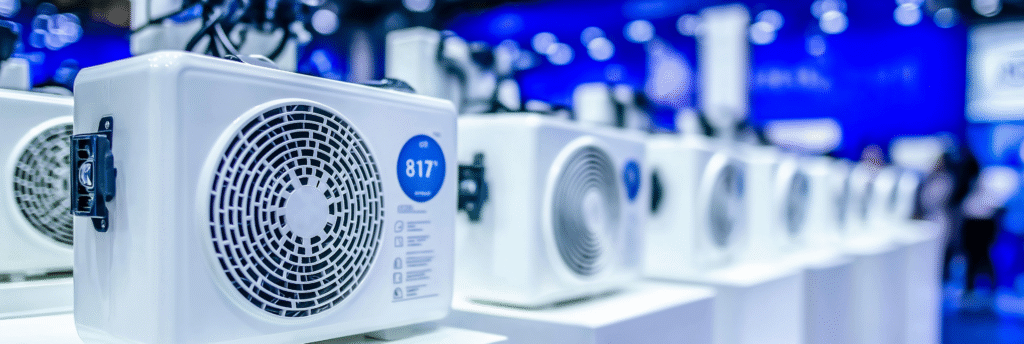
    hvac units


    Modern HVAC systems provide heating and cooling for residential and commercial buildings. They often include energy-efficient components to help regulate indoor temperatures. Proper installation and maintenance support reliable operation and consistent system performance. Here are the latest innovations in HVAC technology:


    Custom Duct Fabrication


    Tailor-made ductwork can be designed to fit the specific layout of a building. Metal components are often fabricated for consistent durability and stable airflow. Precision cutting techniques are used to shape ducts for proper installation. These methods help support ductwork that aligns correctly with heating and cooling systems. Properly installed ductwork supports consistent operation and overall system performance.


    Customized sections can help reduce gaps and support more even airflow throughout interior spaces. Pre-fitted duct pieces may simplify installation and make assembly smoother. Improved airflow circulation helps maintain balanced temperatures across different rooms. Careful design and fabrication can enhance the efficiency of the HVAC system. Well-planned ductwork helps maintain reliable climate control across a building.


    High-Efficiency Systems


    High-efficiency heating and cooling systems are designed to operate based on demand. Modern systems often include variable-speed components that adjust performance according to indoor conditions. Compressors and other mechanical parts can operate more quietly while supporting consistent temperature control. Systems may be rated to show efficiency and overall energy performance. Properly designed systems help maintain stable indoor comfort throughout the year.


    Installation affects how equipment operates and interacts with other system components. Proper configuration can reduce strain on mechanical parts and maintain consistent performance. Regular maintenance helps extend the lifespan of the system and its components. Energy-efficient systems often include features to manage energy use and system load.


    Smart Control Integration


    Smart thermostats allow users to adjust indoor temperatures and manage HVAC systems remotely. Many models can connect to mobile applications for scheduling and basic control. Some devices include features for monitoring energy use and tracking temperature settings. Smart thermostats can be integrated with other home automation systems to provide centralized control. These systems offer options for adjusting heating and cooling based on user preferences and daily routines.


    Air Quality Enhancements


    Indoor air quality can be managed through the use of air purifiers and filtration systems. Air purifiers help capture dust particles that might otherwise circulate through vents into interior spaces. High-performance filters are designed to remove a wider range of airborne particles compared with standard HVAC filters.


    Whole-home humidification systems can help maintain balanced moisture levels throughout a building. Dehumidifiers are used to reduce excessive humidity, which can contribute to mold growth. These systems work together to support cleaner air circulation and help maintain consistent indoor conditions. HVAC systems may also operate more efficiently when particles are less obstructing airflow.


    Get HVAC Services


    Individually designed duct systems, along with intelligent control and energy-efficient equipment, support effective HVAC operation throughout residential and commercial buildings. Preventive maintenance helps identify and address potential issues before they become larger problems or require costly repairs. Modern diagnostic tools allow technicians to work with greater accuracy, efficiency, and consistency. Explore available HVAC solutions to improve energy use, indoor comfort, and overall system performance year-round.


    partnered post