• Exploring the Latest Innovations in HVAC Technology

    hvac units


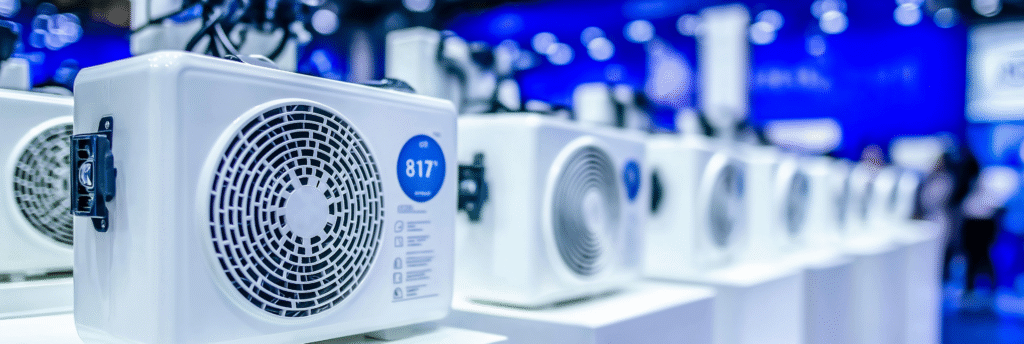
    Modern HVAC systems provide heating and cooling for residential and commercial buildings. They often include energy-efficient components to help regulate indoor temperatures. Proper installation and maintenance support reliable operation and consistent system performance. Here are the latest innovations in HVAC technology:


    Custom Duct Fabrication


    Tailor-made ductwork can be designed to fit the specific layout of a building. Metal components are often fabricated for consistent durability and stable airflow. Precision cutting techniques are used to shape ducts for proper installation. These methods help support ductwork that aligns correctly with heating and cooling systems. Properly installed ductwork supports consistent operation and overall system performance.


    Customized sections can help reduce gaps and support more even airflow throughout interior spaces. Pre-fitted duct pieces may simplify installation and make assembly smoother. Improved airflow circulation helps maintain balanced temperatures across different rooms. Careful design and fabrication can enhance the efficiency of the HVAC system. Well-planned ductwork helps maintain reliable climate control across a building.


    High-Efficiency Systems


    High-efficiency heating and cooling systems are designed to operate based on demand. Modern systems often include variable-speed components that adjust performance according to indoor conditions. Compressors and other mechanical parts can operate more quietly while supporting consistent temperature control. Systems may be rated to show efficiency and overall energy performance. Properly designed systems help maintain stable indoor comfort throughout the year.


    Installation affects how equipment operates and interacts with other system components. Proper configuration can reduce strain on mechanical parts and maintain consistent performance. Regular maintenance helps extend the lifespan of the system and its components. Energy-efficient systems often include features to manage energy use and system load.


    Smart Control Integration


    Smart thermostats allow users to adjust indoor temperatures and manage HVAC systems remotely. Many models can connect to mobile applications for scheduling and basic control. Some devices include features for monitoring energy use and tracking temperature settings. Smart thermostats can be integrated with other home automation systems to provide centralized control. These systems offer options for adjusting heating and cooling based on user preferences and daily routines.


    Air Quality Enhancements


    Indoor air quality can be managed through the use of air purifiers and filtration systems. Air purifiers help capture dust particles that might otherwise circulate through vents into interior spaces. High-performance filters are designed to remove a wider range of airborne particles compared with standard HVAC filters.


    Whole-home humidification systems can help maintain balanced moisture levels throughout a building. Dehumidifiers are used to reduce excessive humidity, which can contribute to mold growth. These systems work together to support cleaner air circulation and help maintain consistent indoor conditions. HVAC systems may also operate more efficiently when particles are less obstructing airflow.


    Get HVAC Services


    Individually designed duct systems, along with intelligent control and energy-efficient equipment, support effective HVAC operation throughout residential and commercial buildings. Preventive maintenance helps identify and address potential issues before they become larger problems or require costly repairs. Modern diagnostic tools allow technicians to work with greater accuracy, efficiency, and consistency. Explore available HVAC solutions to improve energy use, indoor comfort, and overall system performance year-round.


    partnered post

  • The Importance of High-Quality Furnace Filters for your Home

    8271674856_83f8efc2a5_k

    Introduction

    Furnace air filters are essential because they ensure that all incoming airflow is clean and that it exits in a safe state for breathing. With increasing awareness of the endangerment of indoor air pollution, furnace filters are more important than other appliances. Furnaces simply take the air, heat it or cool it, and circulate it around an apartment or building. This air can contain mildew, allergens, mold, particulate matter (PM), and all kinds of other air pollutants.

    Why are High-Quality Furnace Filters Important?

    When installing a high-quality furnace filter for a house or building, more attention will be focused primarily on the accessory itself because the main component that cleans the air is the furnace filter. Here are some points which are why high-quality air filters are essential.

    Indoor Air Quality

    The furnace filter's ability to manage indoor air quality depends on the Minimum Efficiency Ratio Value (MERV) rating system. All the furnace filters catch and clear away airborne contaminants that pass utilizing fine mesh or fabric through the furnace. The filter's MERV rating essentially indicates how tight the distance between the fibers of the furnace filter media is, which indicates its effectiveness in trapping airborne contaminants. While it may be considered that the best furnace filter for a home should have the highest MERV rating, On the other hand, it can do more harm than good. Thus, a high-quality furnace filter is significant to keep indoor air quality perfect.

    Performance of HVAC

    Air conditioning (HVAC) systems come with their own air filters. The difference is that HVAC air filters are designed to protect the ability and performance of the HVAC unit itself. The paper filters may be intended to capture dust and clutter that come with an air conditioner or heater, but the airborne particles are dangerous for machines, not people.

    Furnace filters are frequently inert and may have little effect on furnace operation or indoor comfort. Still, they actually keep buildings comfortable, maintain high indoor air quality, and play an important role in maintaining HVAC system performance. A furnace filter is designed to capture air pollutants that are thought to be responsible for serious diseases such as lung cancer, chronic bronchitis, asthma, allergies, and so on. So, the performance of HVAC matters. And this performance retains by using a high-quality air filter.

    Less Maintenance

    Changing furnace filters depends on the type of furnace filter installed. You will find a ton of options to choose from—many different types of filters to affect frequency variation. An example would be 12x12x1 Air Filter. Replace furnace filters on a monthly to yearly basis. As there are many types of filters, the frequency with which they need to be replaced is also quite broad. However, high-quality ones will require less frequent changing periods, thus less maintenance.

    Conclusion 

    The furnace filter's task is to remove particles and other pollutants from your home's air. Furnace filters improve your HVAC system's performance and efficiency on a higher level. Interest in furnace filters has been sparked by concerns about indoor air quality in homes and buildings. As the problem of indoor and outdoor air pollution is increasing day by day, the quality of furnace filters will always play an important role. If you require any high-quality furnace filters, make sure to contact Mervfilters.

    partnered post • image by Arthaey Angosii

  • 5 HVAC Maintenance Mistakes You Are Probably Making

    Carlos-lindner-53wcYH4IOig-unsplash

    Home appliances, including the HVAC system, help to provide maximum comfort for you and your family. However, without proper maintenance, your HVAC unit could lead to increased energy bills, not to mention failing to function correctly. Read on for five HVAC maintenance mistakes you are probably making that compromise the efficiency of your unit.

    Failing to clean or replace your filter

    Thanks to the continuous liquid-to-gas-to-liquid reaction as your unit operates, debris, dust, and dirt particles end up being sucked into the air conditioner. This compromises indoor air quality and increases energy consumption and bills. HVAC systems are fitted with filters such as the 20x30x1 air filter, designed to keep unwanted particles from getting into the unit. 

    However, continued use of the air filters leads to accumulation of the dirt particles resulting in clogs.  For this reason, you should consider cleaning or replacing your air filters every three months to allow your HVAC system to perform its function appropriately.

    Failing to upgrade to a programmable thermostat

    While upgrading to a smart or programmable thermostat may be expensive, you could end up saving a lot on your annual utilities. A programmable thermostat can help you save up to 10% of your yearly heating and cooling costs. With a smart thermostat, you also do not have to worry about constantly adjusting the temperatures when leaving the house or asleep. You could simply program it to the desired temperatures when in and out of the home.

    Opening your windows and doors when the HVAC system is running

    Often, on a hot sunny day, you may find yourself leaving the doors and windows open to let in as much fresh air in the home as possible. This could lead to increased energy bills, especially when the HVAC system is running because the cool air circulating from your HVAC unit escapes from the open windows and doors, making your AC work twice harder to cool the room. Ensure that you shut windows and doors every time your HVAC system is running to cut down the energy bills.

    Surrounding the HVAC system with other appliances

    Where is your HVAC unit positioned? Placing your HVAC system near other appliances can lead to a tremendous increase in your energy bills. Most AC units have sensors to determine a sudden change in temperatures, prompting the system to maintain ideal temperatures. When you surround your unit with other appliances, especially those that give off heat, including televisions and refrigerators, the unit may be tricked into working twice as hard to cool the room. As such, you should position your HVAC system away from appliances that give off heat.

    Failing to hire HVAC maintenance professionals

    Hiring an HVAC maintenance professional is not a waste of money. Contractors can conduct regular inspections; therefore, identify a problem on your HVAC system on time and fix it. While you may handle a decent amount of AC system maintenance, your unit may suffer from severe problems that only an experienced eye could identify. Professionals have relevant knowledge and experience, so they can help improve your system’s efficiency and lifespan.

    Endnote

    Poor maintenance can compromise your HVAC system’s efficiency. As such, you should familiarize yourself with these maintenance mistakes and avoid them to ensure your unit is functioning correctly and reduce energy expenses

    partnered post • photo by Carlos Lindner from Unsplash