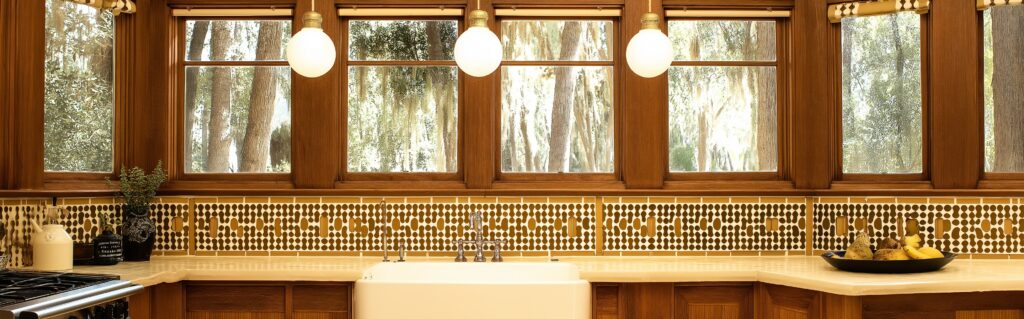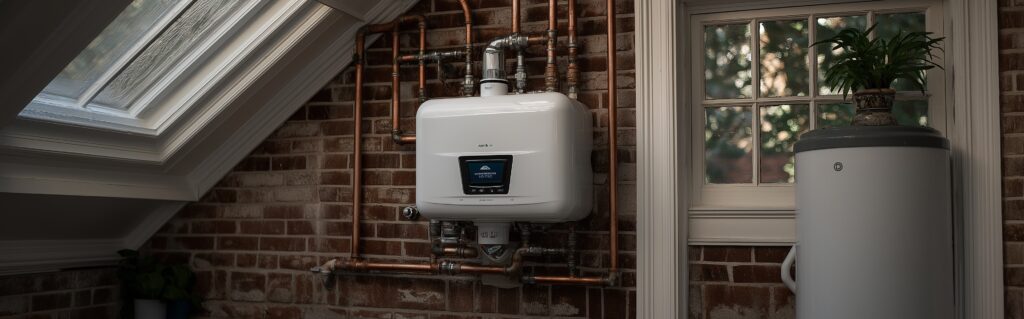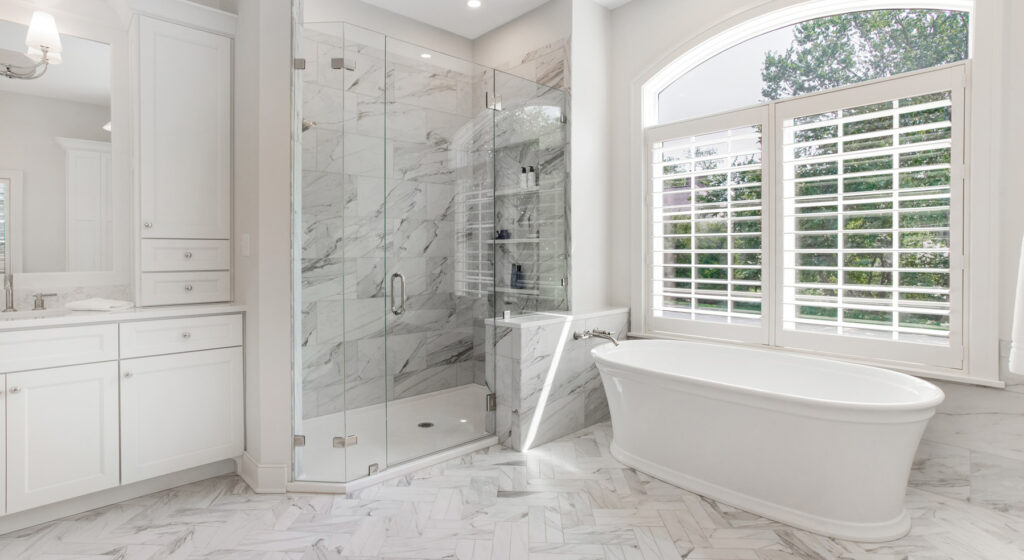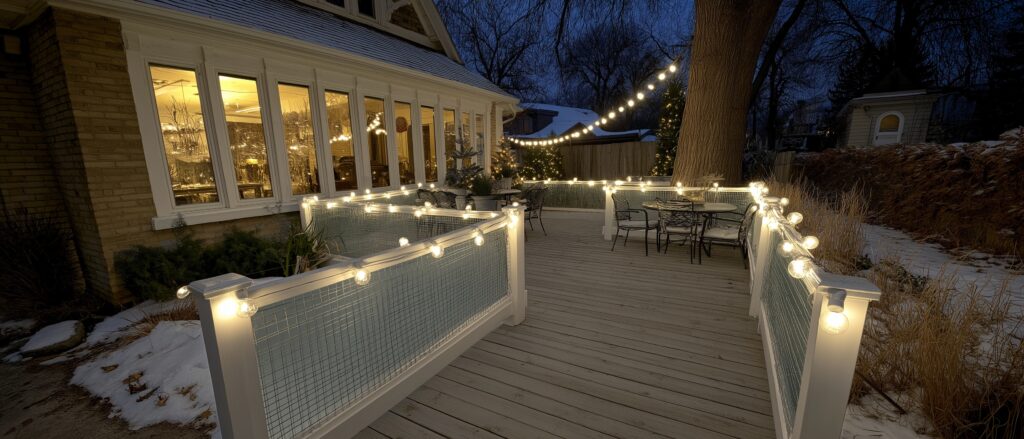
• 3 Lighting Fixtures in a Bathroom

    bathroom remodel

    Bathroom renovations refresh your home, and thoughtful lighting enhances them by improving the room’s functionality and everyday usability. When you add well-placed lights, the room becomes brighter, and the layout supports daily routines. Here are three lighting fixture options in a bathroom:


    1. Overhead Light Fixtures


    Adding light fixtures directly to your bathroom ceiling or upper walls can create a balanced lighting scheme and improve the ambiance. Overhead fixtures provide the primary source of light in a bathroom. A bathroom ceiling light distributes general illumination from the center of the room. You can achieve this with a flush-mount ceiling fixture or a semi-flush mount that drops a few inches from the ceiling. Homeowners might select a chandelier or pendant lights to introduce a unique visual focal point to the ceiling. For broader coverage, a bathroom remodeling contractor can position recessed lighting across the ceiling to increase overall illumination.


    Overhead ceiling lights can distribute light across the shower area without creating deep shadows. The lights are typically positioned to increase visibility as you step in and out of the shower on a wet bathroom floor. Ceiling fixtures also direct light onto the area where you shampoo or apply soap. Some bath and shower light fixtures are designed with integrated housings suitable for damp locations. These fixtures come in a variety of designs and finishes. Homeowners select them to coordinate with existing hardware and theme. Additional decorative bathroom lights can be used around tubs or alcoves to refine the overall style of casual or formal bathrooms.


    2. Task Lighting Fixtures


    Task lighting targets specific areas that benefit from brighter, more focused illumination. An expert in bathroom renovations helps you determine the appropriate placement for these fixtures. Bright wall sconces above or beside sinks increase light on the countertop zone and above the sink. Vertical lighting fixtures around the vanity or near shower stalls direct light toward the face, providing visibility for detailed grooming. These task-oriented fixtures can be wired to independent switches or dimmers so users can adjust the light level based on the time of day or specific needs.


    3. Accent Light Fixtures


    Accent lighting fixtures are designed to emphasize particular elements of the bathroom. Wall-mounted strips or small spotlights above artwork or decorative installations can draw attention to those pieces. Fixtures placed on each side of unique architectural features, such as niches or textured walls, can highlight their form and produce subtle shadows. Accent lighting should also be integrated into shelving or below floating vanities. This helps to outline shapes and surfaces. For more complex layouts, bathroom remodeling professionals can provide insight into sculptural or specialty fixtures that align with the room’s proportions and materials.


    Explore Lighting in Bathroom Renovations


    Whether you are initiating a complete bathroom remodel or updating a single feature, planning the lighting layout is key to successful bathroom renovations. Planning helps coordinate ambiance, visibility, and the practical use of newly improved spaces. A consultation with a bathroom builder or designer can provide lighting placement options, fixture specifications, and code-compliant installation plans for your project.


    partnered post

  • Choosing the Best Hardware for Your Cabinets

    cabinet pulls

    Installing new cabinets in a remodel changes the look of the room and is a significant upgrade. They are fitted with doors and drawers and can include other components that support specific functions. Selecting the proper hardware for the cabinet, such as handles, hinges, and drawer slides, depends on factors like material, size, and color, which can affect both usability and aesthetics. Here are a few tips for choosing the best hardware for your cabinets:


    Evaluate Cabinet Material and Size

    Choosing hardware for your cabinet depends on factors such as the cabinet’s material and color. If your cabinet is made of wood, select hardware that does not split or dent the surface when tightening the screws. When choosing hardware for metal cabinetry, confirm that the selected components integrate visually and mechanically with the metal construction, and also match in texture.

    A larger cabinet may require longer knobs and pulls than a smaller cabinet. Heavy cabinetry has doors and drawers that require more force to open than those of a lightweight cabinet. In such cases, hardware with longer extensions can provide additional leverage for opening and closing. To open drawers or cabinet doors, you need grips large enough to fit your fingers and grip securely. If the hardware is smaller than your fingers, the holding surface may reduce grip and increase contact pressure on the cabinet finish.


    Check Hardware Placement

    When choosing hardware for your cabinets, its placement plays a key role in how easily you access and use your furniture and storage spaces. A handle positioned at an appropriate cabinet height makes it easier to reach and retrieve items. Placement includes both utility and circulation factors. Hardware choices that balance aesthetics with functional reach and clearance support both appearance and day-to-day use. You can place the most important items in your cabinets toward the bottom so they are easier to reach.


    Assess Lighting Effects

    Cabinet hardware design is influenced by both natural and artificial lighting. How specific materials and finishes reflect or absorb the lighting environment can affect your decision. Bright spaces incorporate reflective or light-colored hardware that maintains a sense of openness and visible detail. Rooms with limited lighting frequently use hardware with matte or darker finishes that reduce reflections and can visually emphasize form and contour. Evaluate the arrangement of artificial light and whether it is directed toward hardware in ways that produce noticeable glare. These conditions can guide the choice of finishes that support visibility for practical tasks while limiting distracting reflections.


    Select Quality Hardware for Cabinets

    Quality cabinet hardware appears in a wide range of styles. This includes antique and modern, formal and casual, and simple and ornate. Some users select hardware that closely matches the current room character, while others introduce deliberate contrasts within a consistent design plan. Neutral hardware may reduce the likelihood of strong stylistic clashes if the room motif changes later. Durable, well-constructed hardware can support the everyday operation of custom home and office cabinetry over extended use. When choosing cabinets, evaluate hardware that complements both function and design, enhancing usability while reflecting the overall interior style.


    partnered post

  • Exploring the Latest Innovations in HVAC Technology

    hvac units


    Modern HVAC systems provide heating and cooling for residential and commercial buildings. They often include energy-efficient components to help regulate indoor temperatures. Proper installation and maintenance support reliable operation and consistent system performance. Here are the latest innovations in HVAC technology:


    Custom Duct Fabrication


    Tailor-made ductwork can be designed to fit the specific layout of a building. Metal components are often fabricated for consistent durability and stable airflow. Precision cutting techniques are used to shape ducts for proper installation. These methods help support ductwork that aligns correctly with heating and cooling systems. Properly installed ductwork supports consistent operation and overall system performance.


    Customized sections can help reduce gaps and support more even airflow throughout interior spaces. Pre-fitted duct pieces may simplify installation and make assembly smoother. Improved airflow circulation helps maintain balanced temperatures across different rooms. Careful design and fabrication can enhance the efficiency of the HVAC system. Well-planned ductwork helps maintain reliable climate control across a building.


    High-Efficiency Systems


    High-efficiency heating and cooling systems are designed to operate based on demand. Modern systems often include variable-speed components that adjust performance according to indoor conditions. Compressors and other mechanical parts can operate more quietly while supporting consistent temperature control. Systems may be rated to show efficiency and overall energy performance. Properly designed systems help maintain stable indoor comfort throughout the year.


    Installation affects how equipment operates and interacts with other system components. Proper configuration can reduce strain on mechanical parts and maintain consistent performance. Regular maintenance helps extend the lifespan of the system and its components. Energy-efficient systems often include features to manage energy use and system load.


    Smart Control Integration


    Smart thermostats allow users to adjust indoor temperatures and manage HVAC systems remotely. Many models can connect to mobile applications for scheduling and basic control. Some devices include features for monitoring energy use and tracking temperature settings. Smart thermostats can be integrated with other home automation systems to provide centralized control. These systems offer options for adjusting heating and cooling based on user preferences and daily routines.


    Air Quality Enhancements


    Indoor air quality can be managed through the use of air purifiers and filtration systems. Air purifiers help capture dust particles that might otherwise circulate through vents into interior spaces. High-performance filters are designed to remove a wider range of airborne particles compared with standard HVAC filters.


    Whole-home humidification systems can help maintain balanced moisture levels throughout a building. Dehumidifiers are used to reduce excessive humidity, which can contribute to mold growth. These systems work together to support cleaner air circulation and help maintain consistent indoor conditions. HVAC systems may also operate more efficiently when particles are less obstructing airflow.


    Get HVAC Services


    Individually designed duct systems, along with intelligent control and energy-efficient equipment, support effective HVAC operation throughout residential and commercial buildings. Preventive maintenance helps identify and address potential issues before they become larger problems or require costly repairs. Modern diagnostic tools allow technicians to work with greater accuracy, efficiency, and consistency. Explore available HVAC solutions to improve energy use, indoor comfort, and overall system performance year-round.


    partnered post

  • Choosing the Right Fixtures for Effective Landscape Lighting

    deck and string lighting

    Selecting appropriate lighting fixtures for walkways, patios, and other outdoor areas is key to creating safe, usable spaces. Each fixture type offers specific functions and design options, and proper landscape lighting is required to achieve reliable performance. Here are a few of the primary fixture categories used in outdoor lighting:

    Outdoor Pathway and Deck Lights

    Pathway landscape lighting appears in forms such as tall cones and small globes. Other options include bollards and shade-covered fixtures that direct illumination downward. Along walkways and driveways, lighting helps people navigate uneven areas and avoid stepping on objects. Because pathway lights do not project direct light toward the eyes, glare during nighttime movement is reduced. These fixtures illuminate the ground and nearby stones more than the surrounding features.

    Deck lights illuminate patios, verandas, and other gathering areas by spreading light across commonly used surfaces. They cast illumination across the floor and railings without projecting into open seating areas, creating a clear visual field for outdoor activities. Some deck lights include adjustable output settings, which allow users to regulate brightness when resting or hosting guests.

    Exterior Uplighting and String Lighting

    Exterior uplighting serves both functional and decorative purposes. Such fixtures are suitable for residential and commercial settings where architectural features or selected objects need illumination. Installation professionals position the systems on walls or elevated surfaces to direct light upward or across specific elements. When fixtures are evenly spaced, they create uniform illumination along building facades, garden structures, or outdoor displays.

    String lighting is installed along outdoor features such as wall edges or overhead frameworks, providing continuous illumination along its mounted path. It delivers a soft and consistent light level when used on patios, garden paths, or covered walkways. The bulbs often come in tube or strip forms arranged in a single line, enabling even lighting across the designated area.

    Pool and Water Feature Lighting

    Lighting for pools and water features often uses low-wattage bulbs to safely illuminate these areas without generating excessive heat. In both commercial and residential settings, fixtures are selected and positioned to enhance the visual appeal of fountains, ponds, and swimming pools while verifying user safety. Placement of lighting fixtures should be carefully planned around water elements to highlight their design and movement without causing glare or uneven lighting. For pools and water features in larger commercial spaces, lighting arrangements may vary rather than follow uniform patterns, creating dynamic effects across open water surfaces. In residential settings, lighting systems often include strips along pool edges or floor-level fixtures to outline water boundaries. Bulbs or tubes that blend with surrounding surfaces help maintain a consistent look while providing gentle illumination that enhances the ambiance without overwhelming neighboring areas.

    Implement Landscape Lighting in Your Space

    Effective outdoor lighting requires assessing how each area is used after dark. A lighting specialist can determine optimal fixture placement and recommend appropriate types for various parts of a property. This evaluation helps guide the selection of lighting systems for residential, commercial, or seasonal applications. Start your search for a lighting expert in your area today.


    partnered post • image by Midjourney

  • 5 Warning Signs of Hidden Plumbing Leaks in Homes

    leaking old pipe


    These silent issues develop behind walls, under floors, or within ceilings, leading to structural damage and creating the right conditions for mold growth in homes. Many homeowners miss the early warning signs, which often results in expensive repairs that could have been avoided with earlier discovery.


    While some leaks are easy to spot with puddles or dripping sounds, many develop slowly and stay hidden until significant damage has occurred.


    This guide lists five of the most common warning signs that might point to hidden plumbing leaks in homes, helping homeowners identify potential problems before they become serious structural issues or health hazards.


    Unexplained Increases in Water Bills


    One early sign of a hidden plumbing leak is a sudden spike in water bills without any clear increase in usage. Even small leaks can add up to significant water loss over time.


    Many homeowners in Dunedin rely on local experts for help with leak detection. When plumbers dunedin are called to investigate unexplained high water bills, they often discover concealed leaks that have been running for months.


    Modern water meters can make leak detection easier for residents. For example, some meters have indicators that show when water flows continuously for 24 hours, helping homeowners spot leaks early.


    Homeowners noticing unexplained increases in water bills should consider turning off all water-using appliances and checking the meter after a few hours. If the reading changes, there may be a leak somewhere in the system.


    In addition to monitoring water bills, checking your home’s water meter at night can reveal ongoing leaks. If the meter continues to move when all appliances are off, it’s a strong indicator that water is escaping somewhere in the system. Installing smart leak detectors can also help, as they send real-time alerts through mobile apps whenever continuous flow or unexpected water use is detected.


    Musty Odors and Persistent Dampness


    A musty smell is a common sign of hidden moisture problems in homes. This odor usually comes from mold and mildew, which thrive in damp areas caused by concealed water leaks.


    Areas where plumbing runs through the house need extra attention. Baseboards, spaces under sinks, and spots around toilets and bathtubs may show dampness. Even slight discoloration or moisture when touching these surfaces can mean a hidden leak is nearby.


    Long-term exposure to moisture can lead to both health concerns and structural issues in a home. Addressing any persistent dampness quickly is important to maintain a safe and comfortable living environment.


    Distinguishing between humidity-related dampness and actual plumbing leaks is necessary. Florida homes often have high humidity, but dampness in specific areas usually points to a plumbing issue. Simple moisture meters can help determine if the problem is just humidity or a real leak.


    Persistent dampness can also attract pests such as termites and silverfish, which thrive in moist environments. Addressing plumbing leaks promptly not only prevents mold growth but also reduces the risk of pest infestations that can damage wooden structures and insulation.


    Water Stains and Discoloration on Surfaces


    Water stains on ceilings and walls are classic signs of hidden plumbing leaks. These stains often appear as yellowish or brownish marks and tend to spread over time. Ceiling stains usually form circular patterns, while wall stains may create vertical streaks.


    Stains on upper floors or ceilings can signal leaks in bathroom plumbing or roof vent pipes. Homeowners who notice stains that keep spreading should take dated photos to track changes and confirm if an active leak needs professional attention.


    Condensation usually creates more uniform dampness that dries completely, while leaks create stains that stay visible even when dry.


    In Dunedin homes, water stains often show up around bathroom fixtures, under kitchen sinks, and near water heaters. Monitoring these areas can help catch leaks before they cause major damage.


    Foundation Problems and Slab Leaks


    Slab leaks happen when pipes embedded in or under concrete foundations break or corrode. These leaks are common in Florida homes and can cause a range of problems, including warm spots on floors, cracks in tile or foundation, and unexplained pooling of water around the home’s perimeter.


    When foundation leaks go untreated, they can gradually erode the soil beneath foundations, which weakens the support needed for the structure and may lead to foundation settling issues. This can result in uneven floors, cracked walls, and misaligned doors and windows.


    The cost difference between early and late detection can be significant. Acting quickly can help protect both the home and the budget.


    Reduced Water Pressure and Flow Issues


    A noticeable drop in water pressure can point to a hidden leak somewhere in the plumbing system, as described in this overview of common causes of low water pressure. Low water pressure is a common sign that something is wrong.


    Homeowners can check for pressure issues by testing multiple fixtures throughout the house. If pressure is low everywhere, it might be a problem with the main water line. If only certain areas are affected, the leak is likely in the branch lines serving those fixtures.


    When pressure issues appear along with other warning signs like water stains or unexplained increases in water bills, calling a professional is wise. Routine inspections focused on these warning signs can help reduce repair expenses and support long-term safety for any home.


    Hidden leaks are often silent but rarely harmless. Staying alert to subtle changes – like musty smells, discolored walls, or a gradual drop in water pressure – helps homeowners avoid major repairs later. Investing time in small checks today can prevent structural deterioration, mold contamination, and unnecessary water waste. Regular inspections, especially before and after the rainy season, can ensure your home stays dry, safe, and structurally sound year-round.


    partnered post • image by Midjourney

  • Choosing the Right Garage Door Company for Your Home

    suburban development, green house, garage door

    The right garage door company can help tailor its services to suit your particular needs to enhance your home’s security, functionality, and curb appeal. You need the services of a professional company when installing a new garage door or upgrading it for improved security and energy efficiency. Here are key tips to guide you in choosing the right garage door company:

    Provided Services

    Choose a garage door company that offers installations, safety inspections, and repairs. Expert installation of your garage door comes with a variety of benefits, including enhanced safety, energy efficiency, and property value. You may need professional safety inspections and repair services if your garage door has issues like:

    • Sluggish operation
    • Broken cables and springs
    • Dented or damaged panels
    • Off-track or misaligned doors
    • Noisy operation
    • Broken openers

    Available Products

    A company offering multiple products helps you access a variety of features, such as garage door designs and openers. Professional companies can install garage door openers that feature smart technologies like real-time notifications, smartphone integration, and remote access for enhanced security and convenience. A variety of garage design options may also help enhance your home’s customization and convenience.

    Types of Garage Door Designs

    Some garage door options a professional company may provide include:

    • Classic raised panel
    • Insulated
    • Traditional
    • Custom
    • Contemporary
    • Carriage house

    Classic raised-panel options offer versatility and flexibility because of their ability to suit various home styles. They’re also available in various material compositions; these include composite materials, steel, or wood. Their raised panels give them a structured and clean appeal that can match your home’s architectural design and give it a timeless design. To achieve a home with enhanced energy efficiency, better soundproofing, or less noise from outside, choose insulated garage doors.

    Traditional garage doors made of steel can enhance your home’s safety because of their sturdiness and durability. Steel garage doors are able to withstand harsh weather, warping, and rust, which makes them easy to maintain. If you want a garage door tailored to match your home’s style or aesthetic, choose custom options. Their variety of finishes, designs, and materials can help enhance your home’s architectural details.

    For homes with minimalist and modern designs,  contemporary garage doors are ideal options. These doors come with additional features like large windows or a steel and glass combination. The features help give the garage doors a streamlined appeal and can also allow more light into your garage. Carriage house garage doors combine custom and contemporary options through their rustic designs, varied material compositions, and decorative features such as windows and hardware.

    Hire a Reliable Garage Door Company

    Choosing the right company for your garage door services promotes a seamless experience due to its expertise, convenience, and efficiency. A reliable company should keep you well-informed at every installation or repair stage, and prevent any problems throughout your project. Professionals may also explain technical garage door-related details. Professional garage door services can help elevate your home’s security and energy efficiency. If you need expert repairs, installations, and upgrades, reach out to a garage door company today.

    partnered post • image by Midjourney

  • Reasons to Rent a Townhome Before Buying a House


    Townhomes for rent provide a convenient housing option and flexible living solutions. It does not require long-term commitments associated with buying a house. Partnering with a townhome rental provider helps you find a suitable home within your preferred location. Here are some reasons to rent a townhome before buying a house:


    Minimal Maintenance Needs

    When you rent a townhome, the management team handles landscaping, exterior maintenance, and common-area upkeep. You only need to take care of the interior space and your personal belongings. If a major repair is required, you can reach out to management rather than handle it on your own as a homeowner.


    Your role is limited to maintaining cleanliness and supporting the general upkeep of your rental home. The low maintenance needs of townhomes for rent allow you to focus on other aspects of your home, like decor and layout. You get added convenience as a tenant rather than owning a home.


    Flexible Living Option

    Renting a townhome gives you the option to move when your lease ends or extend it, depending on your needs. This is beneficial if you are in a job that requires frequent relocation. When you rent a townhome, you have the flexibility to choose the length of your lease after evaluating the requirements of your career or personal life.


    Outdoor Access Perks

    If you own a pet or enjoy spending time outdoors, living in a townhome may be the right choice for you. Some townhomes have access to outdoor spaces, such as yards or patios, which allow you to keep your pet or relax. For gardeners, owning a townhome offers space for a small outdoor garden. Unlike apartments, where outdoor space is limited, townhomes often provide more space for gardening and landscaping.


    Dog runs, a small fenced-in area for your pets to run and play, are a perk that some townhome communities offer. This allows your pet to get some exercise and socialize with other pets in the neighborhood. You can join other pet owners for walks around the community, fostering a sense of community.


    Modern Features

    One benefit of renting a modern townhome is the feature upgrades that are often included. You get granite countertops, energy-efficient appliances, gas fireplaces, and open layouts included with the home. These features are designed to improve your living experience and make daily tasks more manageable.


    In some townhomes for rent, you have attached garages, which can provide added convenience and security. You no longer have to worry about parking your car on the street, and you can access your vehicle directly from inside your home. This feature is especially convenient during harsh weather conditions or when carrying groceries.


    Book Your Townhomes for Rent

    Collaborating with a real estate agent can help you discover available townhomes for rent in your desired location. You can also choose between a 2 or 3 bedroom townhome, depending on your needs and time frame. Contact a townhome rental provider to book your site visits and begin securing your new home.


    partnered post • image by Midjourney

  • How to Choose the Perfect Fireplace Tile for Your Home Style

    arts and crafts brick fireplace with tile accents

    A fireplace is more than a source of warmth—it is often the centerpiece of a living room, a space around which families gather and guests are welcomed. The design choices surrounding a fireplace can dramatically influence the overall aesthetic of a home, and one of the most impactful decisions is selecting the right fireplace tiles. The tiles you choose can complement your home style, enhance visual appeal, and provide long-lasting durability. This guide explores how to choose the perfect fireplace tile to match your home style while maintaining functionality and timeless design.

    Understanding the Role of Fireplace Tiles

    Fireplace tiles serve both an aesthetic and functional purpose. Visually, they frame the hearth, set the tone for the room, and can make a striking design statement. Functionally, tiles protect the surrounding area from heat and fire-related damage while offering a surface that is easy to maintain. Choosing tiles that align with your overall décor ensures the fireplace blends seamlessly into your living space rather than standing out awkwardly. The combination of style, durability, and practicality makes tiles an essential element in fireplace design.

    Beyond aesthetics and function, fireplace tiles create a sense of harmony in a room. Their colors, patterns, and textures can complement walls, flooring, and furniture, tying the entire space together. They also offer versatility, allowing homeowners to update a room’s look without a full renovation. A well-chosen tile can make a fireplace the visual anchor of a room, creating warmth and inviting ambiance, both physically and stylistically.

    Assessing Your Home Style

    Before selecting fireplace tiles, it is crucial to consider the style of your home. Different architectural and interior styles require different tile designs to maintain cohesion.

    • Modern/Minimalist: Sleek surfaces, neutral tones, and clean lines define this style. Large-format tiles with minimal grout lines and subtle textures work best, providing a polished and uncluttered look.
    • Traditional/Classical: Ornate patterns, marble, or intricately designed ceramic tiles suit classic homes. Warm neutrals like beige, taupe, or soft gray maintain an elegant, timeless feel.
    • Rustic/Cottage: Stone, slate, and earthy-colored tiles enhance a cozy, nature-inspired vibe. Textured tiles can create a handcrafted aesthetic that complements wooden beams or vintage furniture.
    • Eclectic/Bohemian: Vibrant colors, patterned tiles, and mixed textures reflect a free-spirited design. Combining multiple tile types or mosaics can produce a unique, personalized fireplace centerpiece.
    • Industrial/Contemporary: Concrete-look tiles, metallic accents, and matte finishes support a sleek, urban aesthetic. Simple geometric layouts or bold accent tiles create visual interest while maintaining a modern edge.

    Matching the tile to your home style ensures that the fireplace enhances rather than clashes with your existing décor, creating a cohesive and balanced environment.

    Choosing the Right Tile Material

    The material of fireplace tiles affects both their appearance and performance. Each material has its own benefits and is better suited to certain styles and practical needs:

    • Ceramic Tiles: Affordable, versatile, and available in countless colors and patterns, ceramic tiles are ideal for homeowners seeking style flexibility without breaking the budget. They are durable and heat-resistant, making them suitable for frequent use.
    • Porcelain Tiles: More durable than ceramic, porcelain resists heat, moisture, and staining. Its sleek appearance works well in modern or minimalist homes, and it comes in both glossy and matte finishes.
    • Natural Stone Tiles: Marble, travertine, and slate bring natural beauty and texture to a fireplace. Their variations in color and pattern add depth, making the fireplace a striking focal point. Stone tiles are excellent for rustic, traditional, or luxurious designs.
    • Glass Tiles: Reflective and modern, glass tiles capture the glow of the fire, enhancing ambiance. They are easy to clean and pair beautifully with contemporary décor.
    • Textured Tiles: Textured or embossed tiles add dimension and tactile interest, making the fireplace visually engaging. They are particularly effective in creating warmth and depth in traditional or eclectic spaces.

    The combination of material and style is essential to achieving a fireplace that balances aesthetics with functionality, creating a lasting impression for years to come.

    Selecting Colors and Patterns

    Color and pattern influence the mood of a room and the visual impact of the fireplace. Choosing hues that reflect your style and complement your home’s palette is critical:

    • Warm Neutrals: Creams, beiges, and browns provide a timeless, cozy feel that suits nearly any home style. Neutral tiles can also serve as a backdrop for seasonal décor or accent pieces.
    • Deep, Rich Colors: Burgundy, navy, or charcoal tiles create a snug, luxurious ambiance, perfect for living spaces designed for comfort and relaxation.
    • Patterned Tiles: Herringbone, mosaic, or geometric patterns introduce visual complexity and personality. They are ideal for eclectic, contemporary, or artistic homes where the fireplace is a statement piece.
    • Layered Textures: Mixing smooth and textured tiles adds depth and dimension, enhancing warmth and making the fireplace a visual focal point.

    Selecting the right colors and patterns ensures the fireplace resonates with the room’s mood and complements the overall home style.

    Practical Considerations

    While style is important, practical considerations cannot be overlooked:

    • Size and Scale: Large-format tiles suit bigger fireplaces and create a clean, modern look, while smaller tiles or mosaics can work well for compact hearths or intricate designs.
    • Heat Resistance: Ensure that the chosen material can withstand regular exposure to heat without cracking or discoloring.
    • Maintenance: Some materials, such as natural stone, require sealing and routine cleaning, while porcelain or ceramic is relatively low-maintenance. Consider the level of care you are willing to commit to.
    • Budget: Factor in not only the cost of the tiles themselves but also installation, maintenance, and potential long-term upgrades.

    Balancing these practical aspects with style considerations ensures a fireplace that is both beautiful and functional.

    Installation Tips

    Proper installation enhances safety, durability, and visual appeal. Homeowners should decide whether to attempt a DIY approach or hire a professional installer. Professionals ensure the correct use of heat-resistant adhesives, appropriate grout spacing, and secure placement, which is especially critical for natural stone or glass tiles.

    Attention to detail during installation—including alignment with the mantel, consistent grout lines, and proper sealing—contributes to a finished fireplace that looks polished and lasts for years. Improper installation can compromise both the aesthetic and safety of the fireplace, so careful planning is essential.

    Styling and Accessorizing Around the Tiles

    Fireplace tiles form the backdrop for additional design elements that enhance the room’s warmth and cohesion:

    • Mantel Design: Complement the tile with wood, stone, or metal mantels that coordinate with the fireplace style.
    • Wall and Furniture Coordination: Choose paint, wall treatments, and furnishings that highlight or contrast with the tile, creating balance and depth.
    • Seasonal Décor and Accents: Candles, throws, and decorative objects can emphasize the warmth and personality of the fireplace area.

    By thoughtfully pairing tiles with complementary décor, the fireplace becomes a true centerpiece that elevates the room’s style and ambiance.

    Conclusion

    Choosing the perfect fireplace tile requires balancing style, material, color, and practical considerations. Whether your home features modern minimalism, rustic charm, or eclectic flair, selecting the right tile can enhance both aesthetics and functionality. From the material’s durability to its color, texture, and pattern, every choice contributes to a fireplace that is visually striking, cohesive with your home style, and built to withstand daily use. Thoughtful selection and careful installation ensure that your fireplace remains a central, inviting feature of your home for years to come.

    partnered post / image by Midjourney

  • Self-Care Sanctuary: Tips for Creating Your Own Spa at Home

    Key Takeaways:

    • Having a self-care sanctuary can help you relax and improve your overall wellbeing
    • Choose spa products that make you feel good, set up a relaxing atmosphere and incorporate some stress-relieving activities
    • Take the time to create a space that is uniquely yours and embrace the opportunity to experience true relaxation

    Do you ever feel it’s impossible to find a place entirely of your own where all of life's worries melt away? Now you can create the perfect spa-like sanctuary without leaving your home.

    Creating a self-care space and dedicating time for yourself is important as it helps to reduce stress and improve your overall well-being. With simple tips, anyone can turn their home into a relaxing sanctuary.

    This blog post will help you create your own spa at home, from choosing the perfect products to incorporating stress-relieving activities.

    Relax331d

    Choosing The Right Spa Products

    Choosing the right spa products is essential to creating your perfect sanctuary. Here are some things to consider when selecting the right products for you:

    • Choose natural, organic products whenever possible – this will help ensure that you use gentle, non-toxic ingredients on your skin and in your environment to promote relaxation and overall health.
    • Consider each product's scent – aromatherapy is a great way to set the mood for a relaxing atmosphere.
    • Look for natural or herbal ingredients – these products are often more effective than their chemical counterparts and can be used for various treatments.

    Setting Up A Relaxing Atmosphere

    Once you have your spa products, it’s time to set up a relaxing atmosphere. Here are some tips for creating the perfect environment:

    • Dim the lights and add soft, ambient lighting, making the room feel peaceful and inviting.
    • Place some scented candles around the room.
    • Use essential oils to help you relax and unwind.
    • Incorporate inviting textures such as soft blankets, comfy pillows or even a cozy throw rug – this will make your sanctuary feel like an oasis of comfort.

    Incorporating Stress-Relieving Activities

    Now that you’ve set up the perfect atmosphere, it’s time to incorporate some activities into your self-care routine. Here are some ideas to help you relax and unwind:

    • Take a warm bath or shower – this can be especially helpful if you feel stressed or overwhelmed.
    • Practice mindfulness and yoga – both can reduce stress, calm the mind and body, and helping you find a sense of inner peace.
    • Meditate can help focus your attention on the present moment, allowing you to be more aware of your thoughts and feelings.

    Enjoying Total Relaxation And Wellbeing

    Now that you know how to create your own self-care sanctuary at home, it’s time to enjoy total relaxation and well-being. Here are some additional tips to help you make the most of your sanctuary:

    Set Aside Time Each Day To Enjoy Your Sanctuary

    It is important to make time for yourself each day, even if it is just for a few minutes. Setting aside time specifically for relaxation and self-care can help you take advantage of all the benefits your spa sanctuary has to offer.

    Allow Yourself To Relax And Unwind Without Any Distractions

    Once you’ve set aside some time for yourself, make sure to turn off all electronics and any other distractions that may interfere with your relaxation. Be it your phone, laptop or TV – just allow yourself to relax without the constant notifications and alerts.

    Don’t Be Afraid To Try New Things

    Additionally, don’t be afraid to experiment with different relaxation techniques and activities. For example, you can try guided meditations, soothing music or even aromatherapy. You never know which one might work best for you.

    Let Go Of Any Expectations

    Finally, don’t be too hard on yourself. It’s important to remember that everyone has different ways of relaxing and winding down. Just let go of any expectations and allow yourself to enjoy whatever comes your way.

    Pro Tip: Don't put too much pressure on yourself, which can lead to stress and frustration.

    Transform your bathroom with a stylish and practical shower cabin from Posh. Our shower cabins are a great solution for anyone looking to upgrade their bathroom without needing major renovations or dealing with the mess of old shower removal.

    With nothing to install behind the wall and no need for tiling or decoration, our freestanding shower cabins are easy to install and can be up and running quickly.

    Browse our selection today and enjoy the ultimate convenience and comfort with a high-quality shower cabin from Posh!

    Frequently Asked Questions

    Is It Fine To Listen To Podcasts In A Relaxation Sanctuary?

    Listening to podcasts might defeat the purpose of having a relaxation sanctuary if you use it to wind down and de-stress. However, if the content of a podcast is calming and soothing, it could be beneficial for your self-care routine. It's all up to what helps you relax and unwind.

    Is There Any Alternative To Essential Oils?

    You can also use scented candles to add a calming scent to your home. They come in various aromas and can be used to set the perfect atmosphere for relaxation. Make sure to choose unscented candles if you are sensitive to smells.

    Conclusion

    Now that you know how to create your own self-care sanctuary in the comfort of your own home, it’s time to start enjoying total relaxation and well-being.

    Remember to set aside time each day for yourself, turn off all distractions, experiment with new activities and don't be too hard on yourself. With a little creativity and dedication, you can create a safe and peaceful space to relax and unwind.

    partnered • images by midjourney

  • How an HOA Booking System is Making Community Facility Reservations Easier

    Planned-community-33a5

    Managing common areas within communities can often feel time-consuming and complex. However, with a robust booking solution, reserving homeowners association (HOA) amenities is now much more straightforward. The Anyhoa booking module is developed for easy and flexible booking of shared spaces, supporting communities as they organize facility usage efficiently. The application’s tailored features provide each association with controls aligned to their bylaws, enabling a user-friendly and reliable experience.

    The booking platform emphasizes convenience, speed, and flexibility — values that let residents quickly reserve amenities such as gyms, clubhouses, swimming pools, and tennis courts. By removing unnecessary steps from the reservation process, everyone within the HOA benefits. Residents now spend less time coordinating reservations and more time enjoying amenities. Centralizing these functions hasn’t just modernized the process; it has also made every amenity more accessible for all members, promoting happier, more orderly communities.

    Book Common Areas in Homeowner Association App

    Organizing reservations for shared facilities is crucial for harmony and effective resource use in community living. Digital reservation tools significantly reduce manual interventions, helping committee members and residents avoid mix-ups. When common area bookings are streamlined, it becomes much easier for residents to secure time at their favorite gym or pool. For those looking to simplify their community facility reservations, you can book common areas in homeowner association app with ease.

    Customizable reservation procedures, configurable to the HOA’s specific needs, promote satisfaction throughout the community. Digitized scheduling supports easy compliance with existing rules—no more confusion or conflicts over booking times. Transparent management also allows everyone to stay informed about upcoming reservations and which amenities are available.

    Understanding the Booking Module

    A booking module is designed as the main interface for managing amenities. Residents can clearly view availability, book spaces, and track usage from a central dashboard. Having a transparent calendar means less uncertainty about when facilities are in use.

    The module makes it simple to allocate various amenities, adapting to the unique number and type of spaces in each community. Facilities—like clubhouses, pools, or outdoor areas—can be managed individually or in groups. Alerts help keep everyone up to date about bookings and any rule changes that might be necessary, ensuring nobody misses an update.

    Efficient Reservation Process

    No one enjoys unnecessary delays when reserving community facilities. Online systems remove paperwork, reducing confusion by automating confirmations and keeping schedules up to date.

    Residents can see open time slots in real time and confirm reservations without waiting for manual follow-up. Changing or canceling a booking is easy — done with a few clicks. Since the system can be accessed via both mobile and computer, making a reservation from anywhere is always an option.

    Customizable Options for HOA Needs

    Each homeowners association has unique guidelines, resources, and amenities. Digital booking platforms allow associations to customize reservation policy settings, like adding limits for guests or cleaning intervals between bookings.

    These platforms also support recurring bookings for club meetings or regular programs, and permissions can be tailored so that only certain residents can reserve specific amenities. If an association updates its policies, platform settings are simple to modify, ensuring continued compliance without unnecessary administrative work.

    Minimizing Administrative Work

    Manual scheduling can quickly overwhelm HOA administrators. Digital reservation systems handle routine coordination, calendar updates, and resident notifications automatically, reducing paperwork and repetition.

    Features like conflict detection help prevent double bookings, further reducing potential disputes. Built-in reports give insights into which amenities are most popular, supporting better planning for the future.

    User Friendly Platform Experience

    Intuitive design is key so that all members — regardless of technical skills — can manage reservations comfortably. The booking platform features clear instructions and a visual calendar, plus icons and drag-and-drop functions.

    Real-time confirmations via email or app, and notifications about changes, help residents stay organized. The interface supports mobile and desktop use, so managing bookings on the go is easy. This approach enables more open communication throughout the community and helps everyone get the most from shared spaces.

    partnered • image by midjourney