Are you the kind of person who enjoys weekend projects, owns more tools than shelf space, and gets a weird sense of satisfaction from fixing things yourself? You’ve probably thought about turning those skills into extra income. Unfortunately, many side hustles require huge startup costs, complicated licensing, or skills that don’t match what you already know. Window tinting business opportunities can be your cup of tea if you already live in the home improvement world. Here’s why it can be a smart side hustle for you.
Matches Perfectly With Other DIY Skill-sets
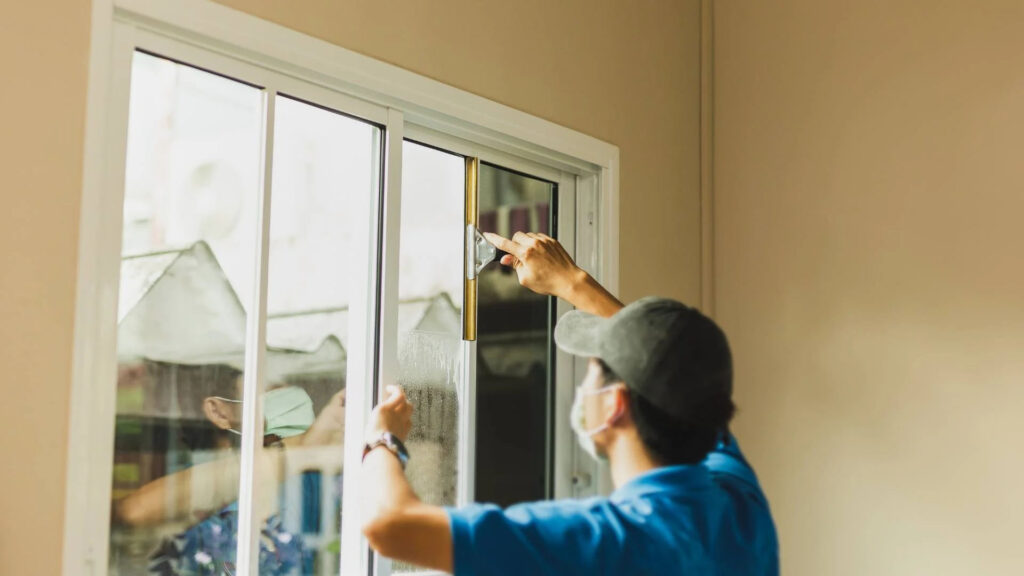
If you’re comfortable measuring, cutting, applying materials, and paying attention to detail, window tinting will feel familiar fast. The process rewards patience, steady hands, and problem-solving.
You’re not dealing with complex machinery or advanced technical systems. Instead, you’re working with surfaces, alignment, and finishing. It’s tactile work. You can see when it’s done right, and you can spot mistakes immediately, which makes learning faster. You don’t need years of training to get started, but there’s still room to improve and refine your technique.
Startup Costs Stay Reasonable and Manageable
One of the biggest barriers to starting a side hustle is cost. Tools, inventory, and can be expensive. Window tinting avoids a lot of that upfront pressure.
You don’t need a storefront. You don’t need heavy equipment. Most jobs can be done on-site at a customer’s home or business. Your initial investment usually goes into quality film, application tools, and practice materials.
That low overhead gives you flexibility. You can start small, take on projects selectively, and grow at your own pace. You’re not locked into a massive financial commitment before you’ve even tested whether you enjoy the work or the business side of it.
Demand Is Steady and Still Growing
Window tinting is a practical upgrade. Homeowners want better energy efficiency, privacy, and UV protection. Businesses want comfort, cost savings, and cleaner aesthetics. These needs aren’t going away anytime soon.
What’s interesting is that many people know they want tinting, but they don’t want to do it themselves. That’s where your DIY confidence becomes a service they’re happy to pay for.
And because tinting produces immediate, visible results, customer satisfaction tends to be high when the job is done well. Happy clients talk. They can recommend you to neighbors, coworkers, and family. Word-of-mouth can carry a side hustle like this surprisingly far.
Easy to Schedule Around a Full-Time Job
Not every side hustle plays nicely with a regular schedule. Some demand constant availability or unpredictable hours. Window tinting, on the other hand, is easy to plan.
Most residential jobs can be scheduled on weekends or evenings. Commercial projects often happen outside peak business hours. You’re not on call 24/7, and you’re not tied to someone else’s timeline. This flexibility will let you protect your energy, avoid burnout, and decide how much work you want to take on. A side hustle should support your life, not take it over.
The Bottom Line
Not every side hustle is built for hands-on people. Some feel forced, awkward, or disconnected from what you enjoy doing. A window tinting business is different. It rewards practical skills, attention to detail, and pride in craftsmanship. It’s also affordable to start, flexible to run, and grounded in real demand. If you’ve been looking for a way to turn your DIY mindset into something profitable without burning yourself out, this is one of those rare ideas that makes sense.
partnered post • creative commons photograph